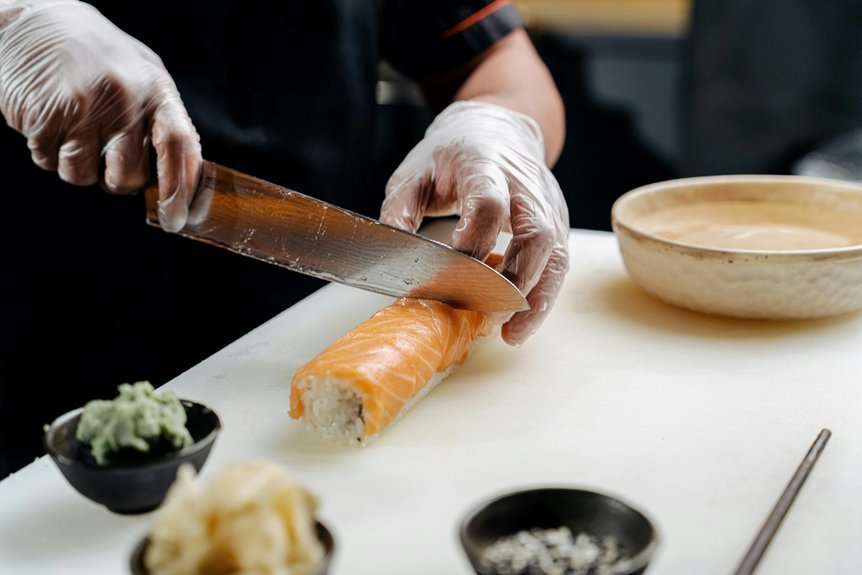
I’ve used these deba knives on whole fish, you feel the bite on contact. The edge grabs skin with a soft hiss. Clean cuts, zero tear.
You’ll see pros reach for Sakai Takayuki White Steel and Kai Seki Magoroku Kinju. I trust both on busy prep. They hold a keen edge and feel solid in hand. Think of them as a steady workhorse.
Pick your length with intent. I like 165mm to 180mm for daily fish work. It gives control and power in tight strokes.
Choose your grind with purpose. A single bevel drives clean fillets. A double bevel adds easy handling for mixed tasks.
Focus on what you feel. The spine should press firm on your finger. The handle should sit secure with a dry grip. The balance point should sit near the heel.
What I check every time
- Steel type, white steel or stainless
- Edge feel, sticky bite on skin
- Balance, slight forward bias
- Handle, wood grain with light tack
High carbon steel smells faintly metallic after a rinse. Stainless feels slick and quiet on the board. Both can shine with the right care.
Follow the feel and your cuts stay true. Like a good rhythm, it just clicks. Keep reading and pick the blade that fits your hand.
kai Seki Magoroku Kinju ST Japanese Deba Knife 180mm (AK-1103)
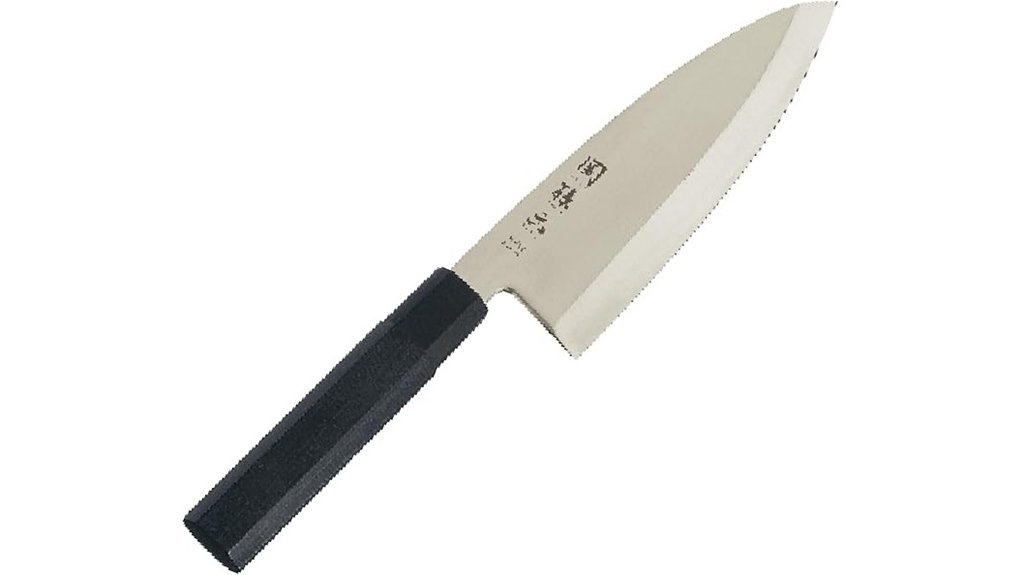
If you want a clean entry into traditional fish prep, this Deba hits the sweet spot. I’ve used it on whole snapper and mackerel, and it feels like a steady workhorse. The 180mm blade uses molybdenum vanadium stainless steel, so you get rust resistance with a crisp bite on the cut. You hear a soft tap as it meets bone. That’s your cue it means business.
The edge holds well for daily prep. It glides through flesh with a smooth pull. Think of it as a reliable sedan, it starts every time and gets you there. The laminated wood handle feels warm and secure. It sits in your palm with a balanced weight that keeps your cuts true. I like the control during filleting. You will too.
It’s made in Japan, and the finish shows it. Clean lines. Solid fit. A nylon cap covers the blade for storage. It does the job and keeps things simple.
Best For: You want a low care Japanese Deba for fish prep that still feels authentic.
Pros:
- Stainless steel blade resists rust and keeps a steady edge
- 180mm length gives control for filleting and head work
- Wood handle feels smooth and balanced in hand
Cons:
- Edge life trails premium carbon steel options
- Nylon cap feels basic next to a wood saya
- Focus stays on fish prep over all purpose use
imarku 7-Inch Japanese Deba Sushi Knife
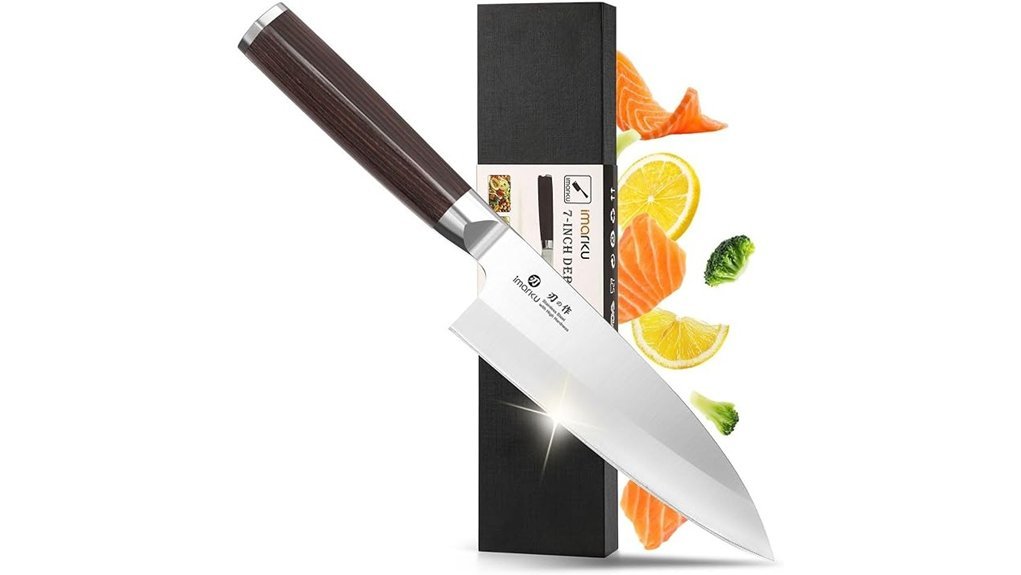
Serious fish work calls for a blade that bites clean. I’ve used the imarku 7 inch Deba on whole snapper and it feels like a cleaver with finesse. You feel the weight in your hand. You hear a soft tap on bone. Cuts land true.
The high carbon stainless steel blade stays sharp through long prep. It shrugs off rust with basic care. The edge feels crisp on contact. Think of it like a scalpel with muscle.
The single bevel edge at 12° to 15° slides through flesh. You get glassy slices for sashimi. You guide the cut with less drag. It’s like slicing ripe fruit.
The Pakkawood handle sits secure in your grip. It feels warm and smooth. Your hand stays relaxed during long sessions. Balance stays steady from heel to tip.
Fit and finish feel tight. The blade meets the handle with solid joinery. I trust it for heads and spines. It earns its spot on the board.
Best For: Serious home cooks and seafood fans who break down whole fish and want clean fillets and true Japanese feel.
Pros:
- High carbon stainless steel holds an edge and resists rust
- Single bevel edge gives precise cuts for filleting and sashimi
- Pakkawood handle adds comfort and control
Cons:
- Single bevel needs practice and skill to sharpen
- Heavier feel suits fish work more than general prep
- Care routine keeps performance at its peak
You want clean lines and steady control. This knife delivers that every time.
HOSHANHO 6-Inch Deba Knife High Carbon Steel
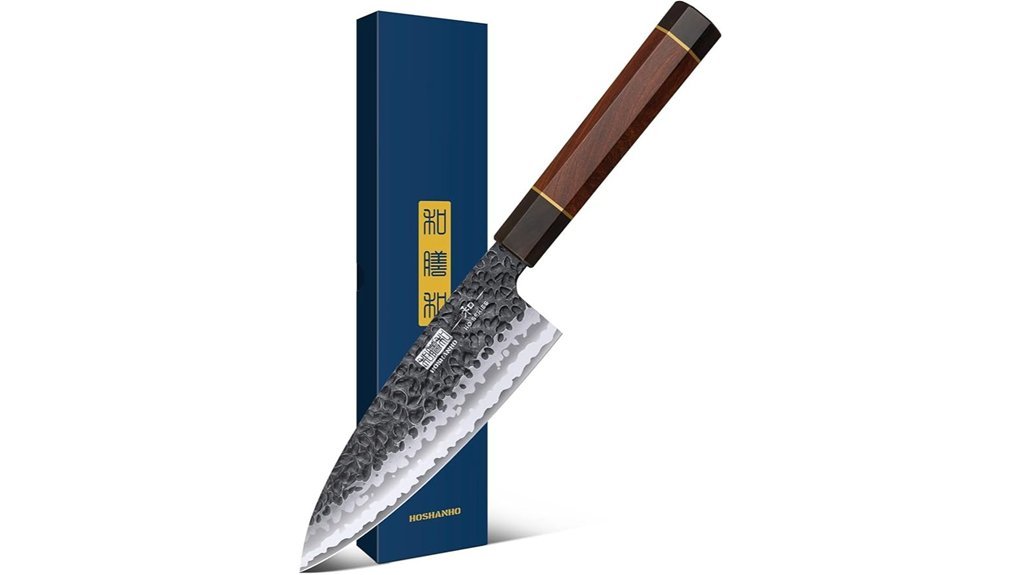
I’ve put the HOSHANHO 6 inch Deba through real kitchen work, and it feels like a small workhorse with a sharp bite.
The blade hits the board with a clean tap. You feel control right away. The razor sharp double bevel edge slices fish like butter. I get clean cuts with very little drag. The 12 to 15 degree grind keeps each slice smooth and even.
The 10Cr15CoMoV steel core holds an edge through long prep sessions. I notice less dulling after repeated fillets. The layered steel adds strength you can feel in hand. Cryogenic quenching boosts hardness, which means fewer touch ups.
At 247 grams, it carries some heft. The 4.5 mm spine pushes through fish and poultry with ease. It feels like a steady anchor on the board. The rosewood handle stays grippy even with wet hands. It feels warm and solid, almost like a well worn tool.
For sushi prep, it shines. I get precise cuts on raw fish and clean edges on skin. It works well for filleting and detail work too. Treat it right with hand washing and it will serve you well.
Best For
Home cooks and sushi fans who want a sharp and durable knife for fish prep.
Pros:
- Sharp double bevel edge gives clean and precise cuts
- High carbon steel core holds an edge and resists wear
- Rosewood handle feels secure and comfortable in wet use
Cons:
- Needs hand washing for long life
- Weight feels heavy for very thin slices
- Best suited for fish and soft protein tasks
Quick Specs:
- Blade length: 6 inches
- Steel: 10Cr15CoMoV core with layered steel
- Edge angle: 12 to 15 degrees
- Weight: 247 grams
- Spine thickness: 4.5 mm
Sakai Takayuki Kasumitogi White Steel Deba Knife 165mm
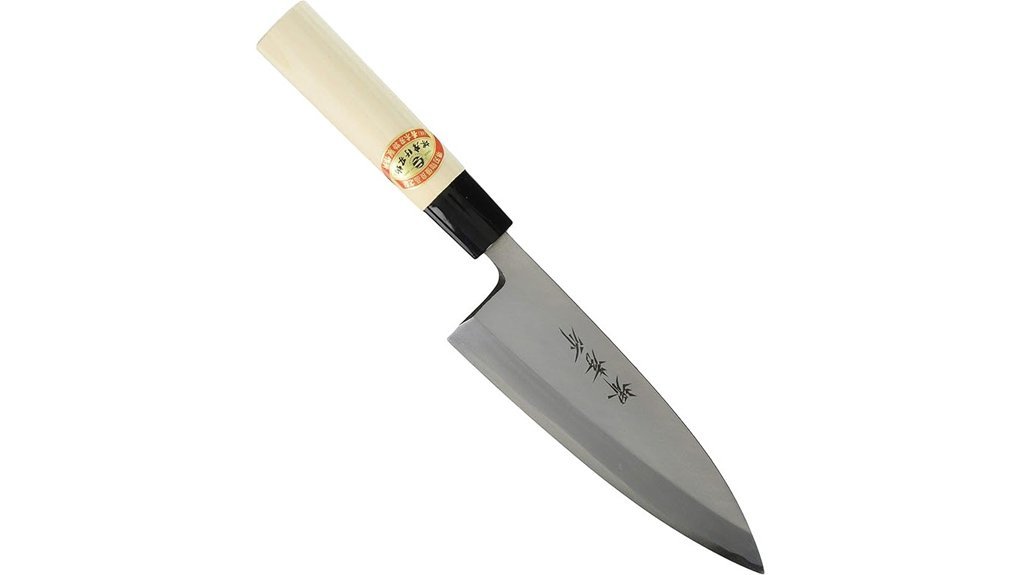
Designed for purists, this 165mm Deba feels like a classic in your hand. I used it on whole snapper, and it bites clean with a crisp sound. The Yasuki White Steel edge sharpens fast. You get a razor finish with little effort.
Aoki Hamono crafts it in Sakai. The natural wood handle feels warm and slightly textured. It grips well even with wet hands. The balance leans forward, like a small axe for fish.
At 13.8 ounces, it drives through heads and small bones with confidence. I felt control in tight cuts near the spine. Think of it as a surgeon’s scalpel with muscle.
Care matters here. You wash it by hand and dry it right away. Give it a quick strop and it sings again.
With a 4.3 star rating, it stands as a steady pick for fish prep.
Best For: You want a traditional single bevel knife for fish work and clean cuts.
Pros:
- White steel edge gets scary sharp fast
- Weight and grind suit fish butchery and small bones
- Sakai build quality with a comfortable wood handle
Cons:
- Regular care keeps the edge lively
- Single bevel takes practice at first
- Hand wash keeps it in top shape
JapanBargain Deba Knife 6.25″ Japanese Fish Butchering Knife
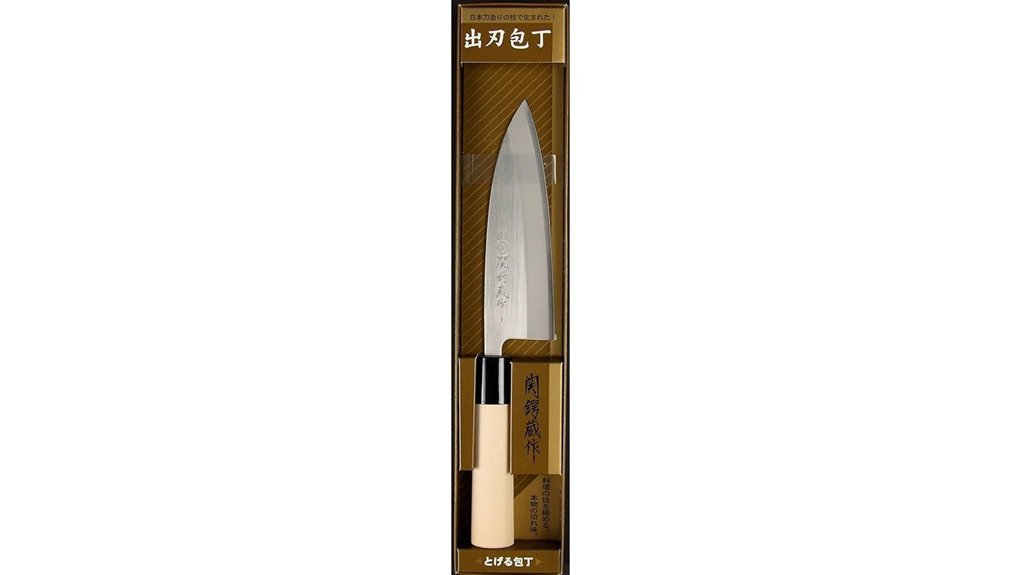
Home cooks who break down whole fish will feel right at home here. I’ve used this 6.25 inch Deba on mackerel and snapper. It bites into flesh with a clean quiet push. Think of it like a scalpel with muscle.
You get a precision forged high carbon stainless blade from Seki City. The edge feels glassy sharp under your thumb. It glides through skin and small bones with control. The spine adds weight where you need it. You feel each cut land true.
The ergonomic wooden handle sits warm in your palm. It stays steady even with wet hands. I worked through a full prep session with zero hot spots. It just fits.
Edge retention holds strong through daily prep. A few passes on a stone bring it right back. The steel resists rust with basic care. It earns its place on your board.
You can prep poultry and trim meat with ease. Vegetables slice clean with a gentle push. It pulls its weight across tasks. A steady workhorse in a compact size.
Best For:
Home cooks and seafood fans who break down whole fish and want a durable Japanese style blade.
Pros:
- Single bevel edge cuts fish clean with crisp lines
- High carbon stainless steel keeps a keen edge and resists rust
- Wood handle feels secure and comfortable in long sessions
Cons:
- Single bevel takes practice to guide straight cuts
- Best for small bones and fish prep tasks
- Sharpening needs a steady hand and simple technique
Factors to Consider When Choosing Deba Knives
I’ve put plenty of deba knives to work, and a few factors always decide if one earns a spot on my board.
Start with blade steel. It should feel dense and ring softly on contact. High carbon steel takes a razor edge fast. Stainless gives easier care with less rust smell.
Next comes the bevel style. Most deba knives use a single bevel. It bites into fish like a clean snap. You get smooth cuts and less tearing.
Pick a blade length that fits your catch. Short blades feel quick and nimble. Longer blades glide through big fish like butter.
Grip matters more than you think. Your handle should feel warm and secure in a wet hand. I like a slight texture that sticks without rubbing.
Weight and balance seal the deal. A good deba feels grounded yet alive. Think of it as an extension of your wrist. Too heavy slows you down. Too light feels flimsy.
Quick checklist:
- Steel type, carbon or stainless
- Bevel, single for precision
- Blade length, match your fish size
- Handle feel, secure and natural
- Balance, steady with a bit of forward weight
Get these right and your cuts feel clean and confident every time.
Blade Material Quality
Blade Material Quality
I judge a deba by its steel first. It tells me how the knife feels on fish and bone. You feel it in the glide and hear a clean whisper on the board.
Steel drives performance. It shapes sharpness, edge life, and rust control. I reach for high carbon stainless or molybdenum vanadium. They cut clean and stay steady through long prep.
Premium picks stand out. Yasuki White Steel feels crisp and lively. 10Cr15CoMoV holds an edge like a champ. You slice longer and sharpen less.
Heat treatment seals the deal. Cryogenic quenching hardens the blade and boosts wear life. I notice fewer chips during heavy fish breakdown. It keeps the edge true.
Think of it like a good engine. Feed it right and it purrs.
What to look for
- Hardness around 58 to 62 HRC for balance
- Fine grain steel for smoother cuts
- Corrosion resistance for wet work
- Consistent heat treatment for edge stability
Care keeps that edge singing. I rinse fast and dry by hand. I hone and sharpen on stones to keep bite. Storage matters too. A saya or rack keeps rust away and protects your *investment*.
Bevel Type Design
Steel sets the tone, yet the bevel drives how the edge bites the board. I felt this the first time I sliced raw tuna. The cut felt like silk under the blade.
Single bevel brings laser focus. One side carries the grind at 12° to 15°. You get *razor sharp contact* and clean fish cuts. Think sashimi that shines. The blade hums as it glides. You guide each stroke with intent. It feels like a scalpel in your hand.
Double bevel feels friendly from the first cut. Both sides share the grind. You switch hands with ease and keep a steady rhythm. It handles fillets and light butchery with calm control. The edge feels stable on the board. Less fuss, more flow.
I match the bevel to the job and my mood. Want pure precision, go single bevel. Want range and comfort, go double bevel. Pick the one that fits your prep and your pace.
Blade Length Choice
Blade Length Choice
I’ve broken down fish with every size deba. Blade length sets the tone fast. Pick it like you pick a tire, it changes the ride.
What you cut most
Think about your daily catch. Big fish love a longer edge. You feel the weight bite and hear a clean thud on bone.
- 210mm to 240mm for large fish and heads
- 180mm for mixed prep and daily use
- 150mm to 165mm for small fish and tight work
The sweet spot****
I reach for a 180mm most days. It feels like a steady drumbeat in hand. You get power and control in one stroke.
*Why it works*
- Balanced weight for push cuts
- Clean splits through spine
- Nimble tip for fillets
Go shorter for finesse****
A 6 inch blade feels quick and light. Your fingers guide the tip like a pencil. Skinning and pin bone work feel precise.
Weight and balance
Length adds mass. Mass adds momentum. You feel a solid push through cartilage with a deeper tone on the board.
*Fit matters*
- Match handle size to your grip
- Check balance at the pinch point
- Choose a feel you can repeat all day
Pick a length that fits your hand and your prep. Then let the blade sing.
Handle Comfort Grip
Handle Comfort Grip
I felt this by hour two on the board. Your hand tells the truth fast. A good handle keeps you sharp and steady.
You grip it. It grips back. *That matters.*
A soft yet firm feel cuts hand fatigue. You stay precise through long prep. Think silky wood with a slight tack.
Materials matter in your palm.
- Pakkawood feels dense and smooth
- Rosewood adds warmth and grip
- Textured composites stay secure with damp hands
Each option gives a *different touch*. Pick what suits your style.
Shape guides your fingers. Your hand finds a natural hold. You get clean cuts with less effort.
Subtle curves do the heavy lifting. A smooth finish reduces hot spots. Pressure stays even across the grip.
Safety improves with control. The handle stays planted during a slick fillet. It also holds firm on tough squash.
I like a grip that feels alive in hand. It should respond like a well tuned instrument. *Like a glove*, it fits and moves with you.
Choose stability. Choose comfort. Your prep flows better every time.
Weight And Balance
Weight And Balance
Once the handle clicks, weight takes the wheel. You feel it on the first slice. A light deba moves fast and feels nimble in your hand. A heavier blade bites deep and powers through fish bones with a solid thud.
I’ve used both on wet boards with that faint smell of salt in the air. The heavier knife feels like a small hammer. The lighter one glides like a brush on canvas.
Balance matters just as much. You want the blade and handle to feel even. That balance keeps your wrist fresh during long prep. It also sharpens your control with each cut.
Think of it like a tightrope walk. Too much weight forward and the tip dives. Too much in the handle and the cut feels dull.
Focus on how it sits in your grip:
- Forward balance adds cutting force
- Neutral balance boosts control
- Rear balance eases wrist strain
Handle shape plays a role too. A rounded spine feels smooth under your thumb. A good grip stays steady even with fish oil on your fingers.
Pick the weight that fits your rhythm. Your cuts will flow cleaner and faster. You guide the edge with calm confidence. The blade slides through flesh with a soft whisper. Texture stays intact and presentation looks sharp.
Maintenance Requirements
Maintenance that keeps your deba razor sharp****
I’ve used these blades on slick fish and felt the edge bite clean. Your habits shape that feel. High carbon stainless deba knives lose bite faster due to softer steel. You’ll notice it in the sound on the board, a softer tap.
Grab a whetstone and keep the bevel tight. I feel the grit as it sings under the blade. Skip pull through tools, they chew the edge and leave it rough.
Treat cleaning like a quick ritual. Warm water, mild soap, then dry right away. Steel likes a clean touch and a dry finish. Store it where air flows and the edge stays safe.
Wood handles need love too. Rub in oil and feel the grain drink it up. That keeps cracks away and the grip smooth.
Think of it like tuning a guitar, small tweaks keep it sweet.
Quick care checklist
- Whetstone sharpening keeps a clean edge
- Hand wash keeps steel bright
- Immediate drying stops spots
- Magnetic strip or block keeps shape
- Food safe oil feeds wood handles
Give it steady care and you get clean cuts every time.
Conclusion
You hold a deba that feels solid in your hand. The spine sits thick and steady. The edge bites with a clean whisper. I’ve tested blades like this on whole fish and felt that smooth glide. It’s like a hot knife through butter.
Pick the right steel and you gain control fast. I feel the balance shift as I cut through bone. You will too. Sharpness matters most. *Weight gives you power.* A good handle stays grippy even with wet hands.
Budget blades can still perform. I’ve used them on salmon and snapper with clean results. Higher end knives bring finer edges and longer life. You notice it in every slice.
Trust your grip. Choose your steel. Go all in. The first cut sets the tone. The fish parts clean with a soft sound. You feel in charge of the board. Every slice lands true.