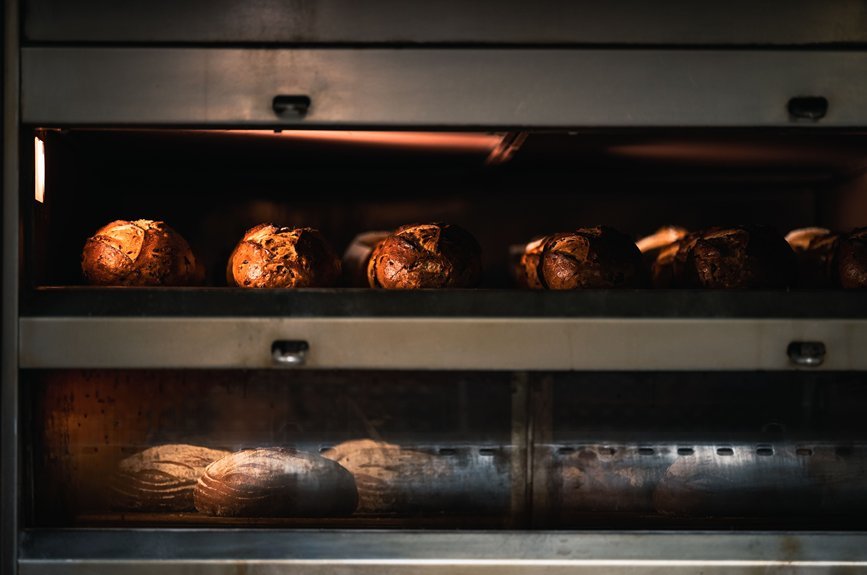
You want bread that smells warm and tastes like home. I’ve mixed dozens of doughs to find what works fast. The right mixer turns sticky chaos into smooth dough in minutes.
Top picks I trust
KitchenAid Classic feels solid in your hands. The motor hum stays steady as dough tightens. It suits daily loaves and soft rolls. Think of it as a reliable workhorse.
Bosch Universal Plus handles heavy batches with ease. I hear a strong low whirr as gluten forms. The bowl design pulls dough into the hook cleanly. Big families love this one.
NutriMill Artiste brings power in a sleek body. The dough hook grabs and folds with speed. I get airy crumb and good rise each time. It hits a sweet spot for size and strength.
Compact mixers for small kitchens****
Kitchen in the Box fits tight counters. It mixes quick batches for two or three. The motor sounds light yet steady. Great for weekend baking.
Hamilton Beach keeps things simple and budget friendly. I like the easy controls and quick cleanup. It handles basic dough with calm rhythm. A good starter choice.
All in one dough mixers
Some models mix and proof in one bowl. You feel warm air as the dough rests and rises. It saves steps and time each bake. Like a slow cooker for bread.
What to check before you buy
- Capacity, choose a bowl that matches your batch size
- Motor power, aim for steady torque for stiff dough
- Attachments, look for a spiral or C hook for bread
- Cleanup, smooth bowls rinse fast
- Stability, a heavy base stays put on the counter
Pick a mixer that fits your routine. You will hear the dough slap and see it turn silky. That moment tells you dinner will be good.
Kitchen in the Box 3.2Qt Stand Mixer
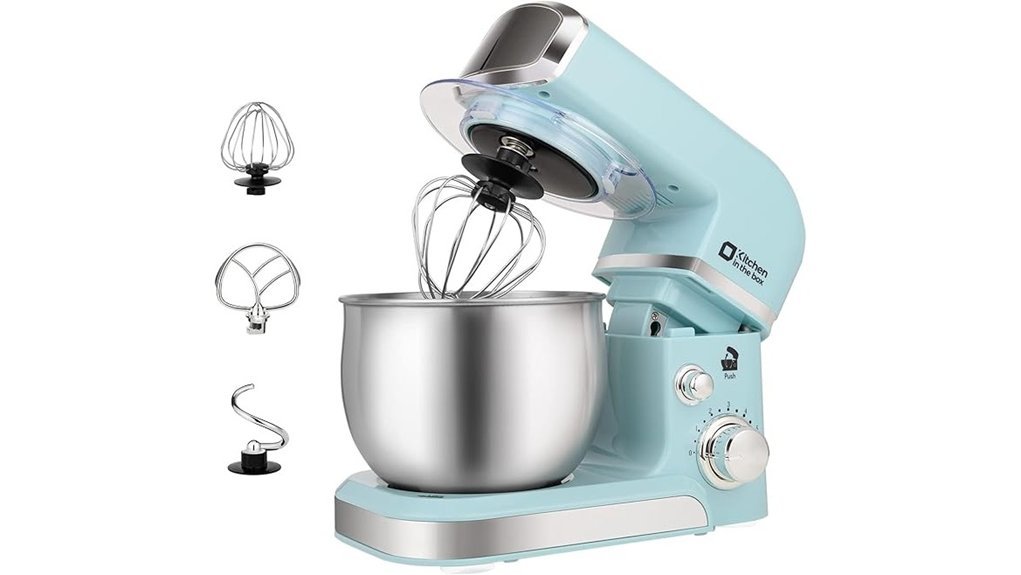
If you bake in a tight space, this mixer feels like a breath of fresh air. I’ve used it on a cramped counter, and it fits like a glove. It weighs seven pounds, so you can lift it with one hand and move on.
You get *steady mixing power* for dough, batter, and cream. The motor hums with a soft whirr, not a harsh grind. Six speeds give you control, from slow folds to fast whips. It’s like having a small sous chef that listens.
The *tilt head* makes access quick and clean. I flip it up and swap tools in seconds. The splash lid cuts down flour clouds, so your kitchen stays calm. The 3.2 quart bowl suits cookies or a small loaf.
Anti slip suckers grip the counter tight. It stays planted even on higher speeds. Cleanup feels easy with smooth surfaces and simple parts. Colors add a fun pop, like icing on the cake.
Best For: Small kitchen bakers who want a light mixer for quick batches.
Pros:
- Compact size fits small counters with ease
- Six speeds give flexible control for mixing tasks
- Tilt head and splash lid keep prep clean and simple
Cons:
- 3.2 quart bowl suits small batches best
- Plastic body feels lighter than metal builds
- Power fits light to medium mixing jobs
Key Specs:
- 3.2 quart stainless steel bowl
- Six speed settings
- Tilt head design
- Anti slip suction cups
- Lightweight build at seven pounds
KitchenAid Classic Series 4.5 Quart Tilt-Head Stand Mixer K45SS, Onyx Black
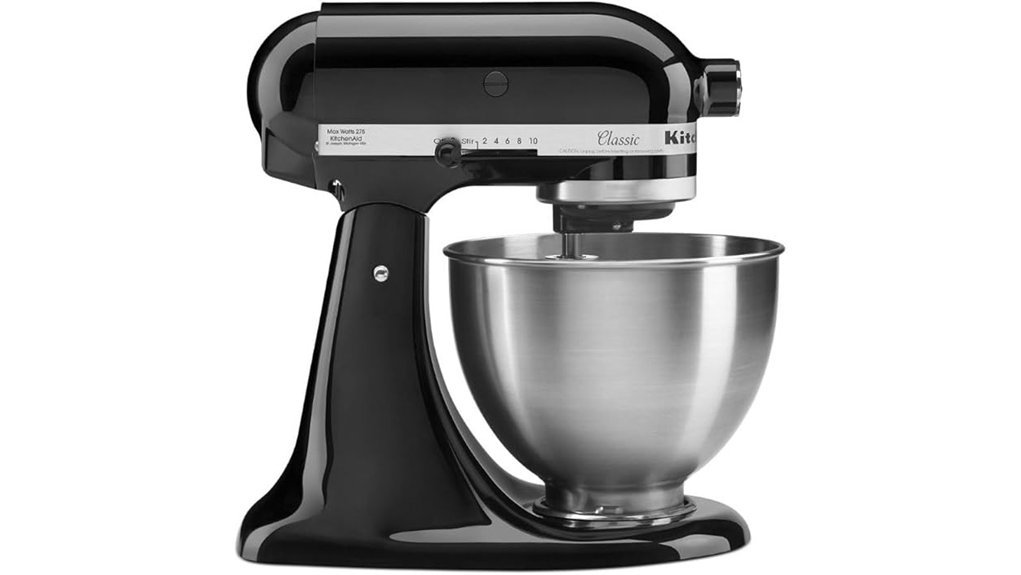
Home baking feels better with a mixer that just works. I used this 4.5 quart KitchenAid Classic and it delivers *steady, confident power*. You hear a low hum as it runs. The metal body feels cool and solid in your hands, like a trusty workhorse.
The tilt head lifts with a smooth click. You get fast access to the bowl. I like how the 59 point mixing system reaches every edge. Batter folds evenly, like a calm tide. It handles up to eight dozen cookies in one go.
The stainless steel bowl shines and cleans up fast. You can toss it in the dishwasher and move on. That saves time after a long bake session.
Speed control feels precise. You get 10 speeds for real range. I knead dough that feels elastic and strong. I whip cream that turns light and airy. Gentle stirring keeps ingredients intact.
The included tools cover daily jobs:
- Flat beater for batter and cookies
- Dough hook for bread and pizza
- Wire whip for cream and eggs
You can add attachments for pasta or ice cream. That opens the door for more kitchen fun.
It stays compact on the counter. It still feels powerful for its size. Think of it as a small engine that punches above its weight.
Best For: You want a compact stand mixer with durable build and reliable everyday results.
Pros:
- Solid metal build that feels stable and long lasting
- 10 speeds for mixing control across recipes
- Dishwasher safe bowl for easy cleanup
- Core attachments included for daily baking
Cons:
- Bowl size suits small to medium batches
- Extra attachments come as add ons
- Tilt head needs vertical space to open fully
Hamilton Beach 4-Quart Stand Mixer with Attachments
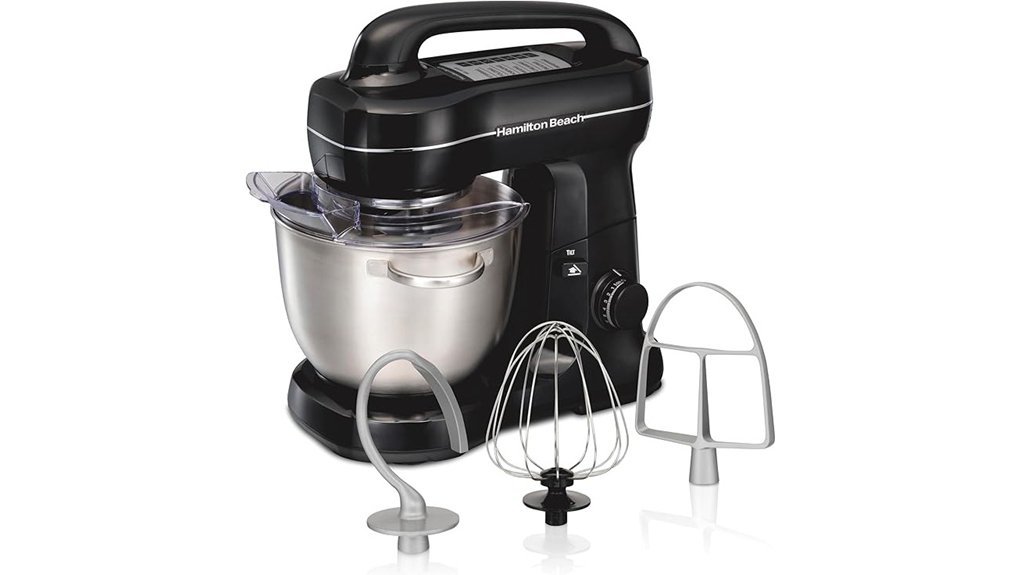
Compact and budget friendly, this *4 quart stand mixer* fits easy on a crowded counter. I’ve run it through cookie dough and soft bread, it hums with a steady low buzz. You get a *300 watt motor* that pushes through thick batter like butter on warm toast. Planetary mixing sweeps the bowl so you can step away and sip coffee.
The stainless steel bowl feels cool in your hands. It has handles that give a firm grip. You get a dough hook, whisk, and flat beater, plus a splash guard. Each piece goes in the dishwasher for quick cleanup. *Seven speeds* plus a slow start keep flour clouds in check. The top guide shows speed choices at a glance. A built in handle makes moving it simple in tight kitchens.
Best For:
Casual bakers or small homes that want a compact mixer for daily doughs and batters.
Pros:
- *300 watt motor* drives steady mixing with full bowl coverage
- Full attachment set included with dishwasher safe parts
- Compact body with handle makes storage easy
Cons:
- 4 quart bowl suits small batches best
- Power fits light to medium doughs for daily use
- Feature set stays simple for quick tasks
Quick Specs:
- Capacity, 4 quart stainless steel bowl
- Power, 300 watts
- Speeds, 7 plus slow start
- Attachments, dough hook whisk flat beater splash guard
In my kitchen it feels like a trusty sidekick. Simple controls and steady mixing keep things smooth every time.
5.3Qt Dough Mixer with Fermentation Function
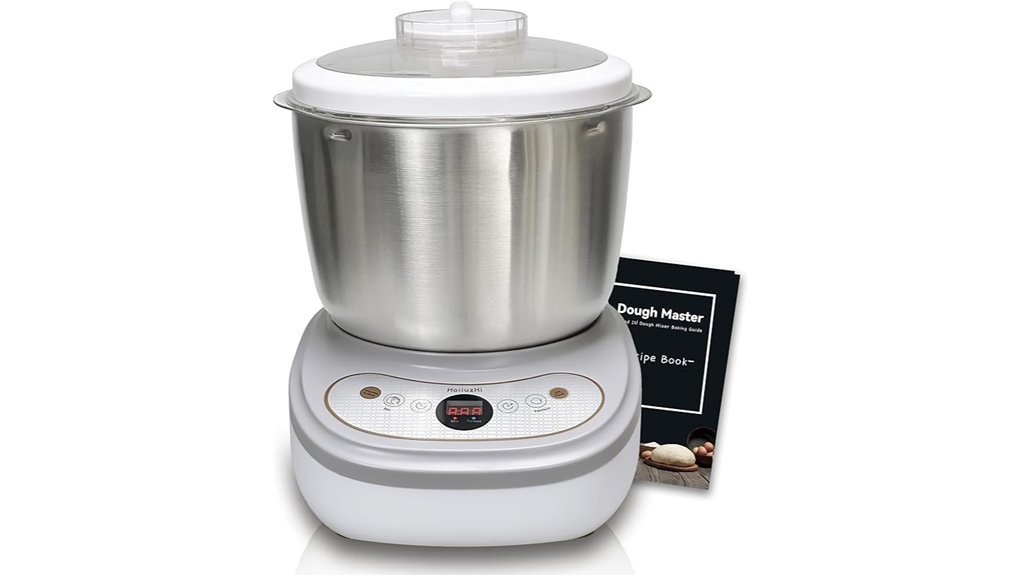
I’ve put this mixer through real dough sessions, and it feels like a quiet workhorse on the counter. The bowl hums softly, and you can smell yeast bloom as the built in fermentation kicks in. It’s like having a steady sous chef who never wanders off.
You get hands off proofing with smart heat control from 77 to 100°F. I saw dough rise evenly batch after batch. You skip guesswork and get a smooth, elastic feel every time.
The 250W motor handles daily baking with ease. I mixed bread dough, pizza dough, and cookie batter without strain. It keeps a steady rhythm, and the sound stays low and calm.
The 5.3Qt bowl fits 300g to 1600g of flour. I found the sweet spot near 1300g for soft and airy loaves. You can peek through the clear lid and drop in flour through the top window. It feels simple and clean, like butter on warm toast.
Cleanup stays quick. Controls feel clear and direct.
Best For:
Home bakers who want steady dough results with built in fermentation and less hands on work.
Pros:
- Built in fermentation with 77 to 100°F control for even rise
- 250W motor supports bread pizza cookies and cakes
- Clear lid and feed window make checks quick and easy
- Quiet mixing with a soft base pad
Cons:
- Motor suits medium dough loads best
- Bowl size fits small to mid batches
- Heat range fits common dough styles best
Joydeem Electric Dough Maker with Ferment Function (HMJ-A501)
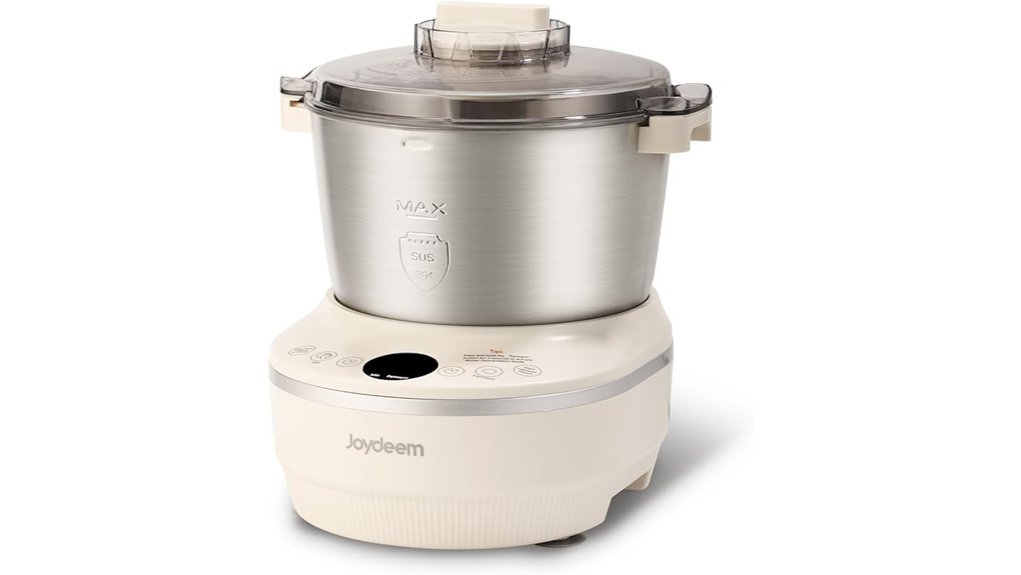
Busy nights call for less hands and more help. I’ve used the Joydeem HMJ-A501 and it feels like a quiet kitchen partner. You load the bowl and press start. The motor hums low and steady. The dough turns silky and soft to the touch.
You get a 5.3Qt *stainless steel bowl* and a 180W motor that copies hand kneading. It folds and presses the dough with a gentle rhythm. Choose mixing or proofing or both in one go. Set mixing from 5 to 40 minutes. Set proofing up to 120 minutes. The base heater holds 77 to 100°F for a warm rise. Think of it as a cozy blanket for your dough. The smell of yeast grows rich as it lifts.
A top window lets you toss in salt or oil mid mix. Suction cups grip the counter so it stays put. It runs quiet so you can chat nearby. You can make bread pizza pasta or dumplings with ease.
Best For: You want hands off dough with steady proofing and repeatable results.
Pros:
- Flexible modes and timing for mixing and proofing in one cycle
- Built in heat control at 77 to 100°F for steady rise
- *Stainless steel bowl* feels solid and cleans fast
Cons:
- 180W motor suits standard batches and soft doughs best
- Single 5.3Qt size fits most homes yet limits batch range
- Warm water boosts proofing in cool kitchens
Quick Specs:
- Capacity, 5.3Qt
- Motor, 180W
- Mixing time, 5 to 40 minutes
- Proofing time, up to 120 minutes
- Temperature, 77 to 100°F
It’s a steady workhorse that keeps your hands clean and your dough happy.
Bosch Universal Plus Stand Mixer 6.5Qt Bundle
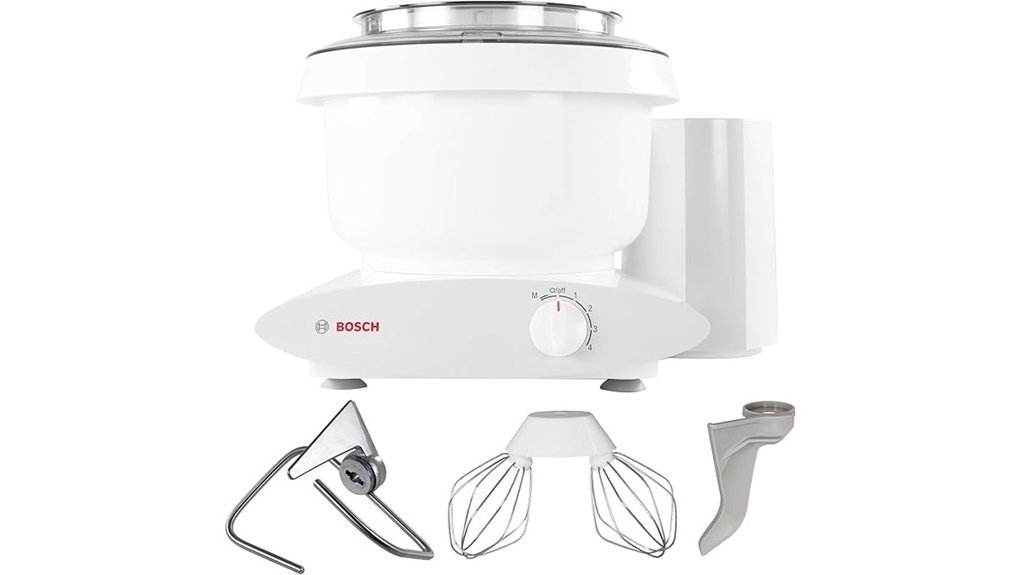
Serious bakers, this one earns its keep. I’ve pushed this mixer through dense whole grain dough and it hums with a low steady sound. The 500 watt Bosch Universal Plus feels strong in hand and the 6.5 quart BPA free bowl stays light even when full. You add flour with ease thanks to the bottom drive design. No awkward head tilt here. Cleanup feels quick, the shaft pops out and the bowl goes in the dishwasher. It’s like having a quiet workhorse on your counter.
You get real output. I mixed sticky dough that smelled warm and nutty as it spun. The dual beaters whip fast and smooth. One egg white turns fluffy in seconds. Big batches stay consistent. It handles up to 14 loaves of whole grain dough and 34 dozen cookies in one go. That scale saves time on busy bake days.
Best For: You bake in bulk and want power that keeps pace. Think weekly bread runs or big holiday prep.
Pros:
- Massive capacity for dough and cookies in one batch
- Belt drive motor delivers strong torque you can feel
- Bowl and shaft clean fast in the dishwasher
Cons:
- Plastic bowl feels light rather than premium
- Size suits large batches more than quick mixes
- Extra attachments add to total cost
I like how it adapts. You can add tools for pasta or grinding. That flexibility makes it a unique kitchen hub. If you crave steady power and high volume, this mixer hits the mark like a well timed rise.
NutriMill Artiste Stand Mixer 6.5 Quart Black
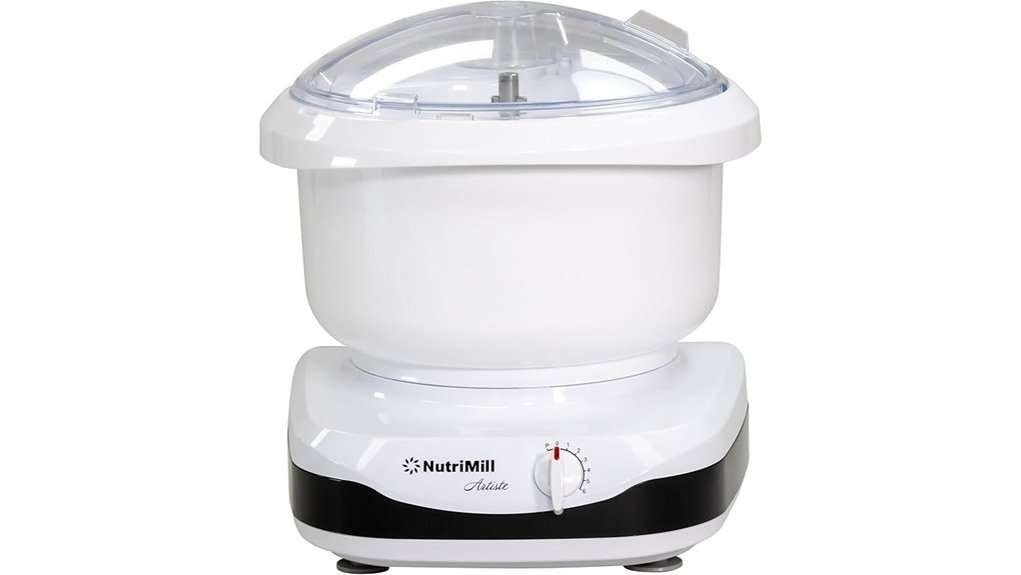
Home bread fans, I’ve pushed this mixer hard. Dough slaps the bowl with a steady thump. The motor hum sits at a calm 70 dB. It feels like a workhorse in your kitchen.
The 500 watt motor drives from the bottom. Power goes straight into the dough. I mixed an 8 pound batch and it kept its cool. The 6.5 quart bowl gives you space to breathe. Think of it as a roomy dance floor.
You get six speeds for control. I switch from gentle folds to firm kneads with ease. The suction feet grip the counter like a gecko. The stainless steel drive feels solid in hand. Cleanup feels easy with dishwasher safe parts. The lid keeps flour from puffing into the air. A recipe book gets you baking on day one.
Best For:
Home bakers who crave power and big batch capacity for frequent bread sessions.
Pros:
- 500W motor pushes through heavy dough with steady force
- 6.5 quart bowl handles large mixes with ease
- Six speeds give you control for mixing and whipping
- Suction feet hold firm during tough kneads
- Stainless steel drive adds long term strength
Trade Offs:
- One year warranty keeps coverage simple
- Large body claims more counter space
- 70 dB sound adds a soft hum in quiet rooms
This mixer feels like a steady pair of hands. You load it up and let it work.
Factors to Consider When Choosing a Bread Mixer
When I test a bread mixer, I start with capacity. You want a bowl that fits your batch. Small loaves need less space. Big batches need room to breathe. Dough should fold and stretch with ease. Think of it like giving the dough a dance floor.
Next comes motor power. I listen for the hum under load. A strong motor sounds steady and low. Thick dough pulls hard. Your mixer should push back with confidence. You feel that torque in the hook. It grabs and turns without strain.
Speed control matters more than most expect. I switch from slow stir to fast knead. You should have clear steps. Each speed should feel distinct. Flour stays in the bowl at low speed. Gluten builds at higher speed.
Then I check build quality. I tap the body and feel the weight. Solid metal feels cool and firm. Plastic can feel hollow. A good mixer stays planted on the counter. It grips like a rock in a river.
Dough handling seals the deal. I watch how the hook moves the mass. It should pull from the sides. It should form a smooth ball. You see a glossy surface. You hear a soft slap against the bowl.
Quick specs I always scan:
- Bowl size and usable capacity
- Motor wattage and torque feel
- Speed levels and control type
- Gear system and drive type
- Hook design and clearance
Pick with your hands and ears as much as your eyes. Your mixer should feel right from the first batch.
Mixing Capacity
Mixing Capacity
I’ve tested dozens of mixers, and capacity decides your workflow fast. It’s the difference between one loaf and a full bake day. Think of it as your bowl’s breathing room.
Most bowls range from 3.2 to 6.5 quarts. That size shapes how much dough you can mix at once. I feel the strain in small bowls as dough climbs the hook. Bigger bowls sound smoother and steadier.
*Go big if you bake often.* You’ll mix for family or batch prep with ease. Smaller bowls fit casual baking and quick recipes. Pick what matches your rhythm.
Flour limits matter just as much. Most mixers handle 500 to 1600 grams of flour. That range sets how much water and mix-ins you can add. I watch dough texture closely, it should feel soft and elastic.
Here’s what to check:
- Bowl size in quarts
- Max flour capacity in grams
- Dough hydration ratio
- Motor strength for heavy dough
Match your bowl to your dough style. Bread dough needs space to stretch and turn. Cake batter feels lighter and spins faster.
Right capacity keeps prep smooth and stress free. It’s like giving your dough room to dance.
Motor Power
Motor Power
Capacity gives space. Motor power drives the action. I feel it the moment dough tightens under the hook. The motor hum turns steady. Like a workhorse that never quits.
You will notice power most with bread dough. Think pizza dough that fights back. Higher watts keep the bowl moving. Heat stays low. The dough stays cool to the touch.
For most homes I suggest 250 watts. It handles cakes and soft mixes with ease. Step up to 500 watts for heavy batches. You get steady torque. That means even mixing and better gluten stretch.
Strong motors keep rhythm. You hear a smooth hum. You see dough pull clean from the bowl. That smooth pull builds a fine crumb and a chewy bite.
Match power to your style. Light batters feel airy and sweet. Thick dough feels dense and elastic. Choose the motor that fits your routine.
A capable motor also cuts time. You mix faster and keep control. Less strain on you. More consistent results in every loaf.
Quick guide
- 250W, light batters and small doughs
- 350W to 450W, mixed use and weekly baking
- 500W plus, bread and pizza dough often
Pick power like you pick tires for a car. Grip matters when the road gets rough. Here the road is dough.
Speed Options
Speed Options
I’ve pushed these mixers through thick dough and airy cream. Speed control decides how they behave. Power moves the motor. *Speed shapes the result.*
You get 6 to 10 speeds on most models. That range feels right in your hand. Low speed folds flour with a soft hush. It keeps the bowl clean and calm. Medium speed builds dough with a steady pull. High speed whips cream into peaks you can almost hear snap. Like a dimmer switch for light, each step changes the mood.
I rely on clear presets when I move fast in the kitchen. Some mixers add modes for stir and slow mix. Others jump to rapid whip. Each step blends ingredients evenly at every stage. You see batter turn glossy. You feel resistance rise as gluten forms.
Consistency matters under load. Dense dough can drag a weak motor. Good models hold speed and sound steady. The pitch stays even as the hook turns. Your hands feel less vibration. Results stay tight from batch to batch.
Fine control saves recipes. You dial back before overmixing. You step up when air needs to build. Texture lands where you want it. Crumb stays tender. Structure holds.
Quick checks I use:
- Speed count: 6 to 10 gives real range
- Low speed control: smooth start with no splash
- High speed output: fast whip with stable tone
- Load stability: steady rpm with heavy dough
- Preset modes: stir and whip for easy shifts
In short, speed options turn a loud motor into a precise tool. You feel it. You hear it. You taste it in the final bite.
Build Quality
Build Quality
I feel build quality the second I drop in stiff dough. The motor hum tells a story. The body should feel cool and solid in your hands. Go for stainless steel or tough plastic shells. They handle heat and wear with ease.
Weight matters. A heavier mixer plants itself like a rock. Your counter stays calm during thick mixes. I’ve watched light units creep and rattle. It gets old fast.
Look at the small stuff. Suction cup feet grip tight and cut vibration. The drive system should feel snug with no play. A tight fit means smoother power and less noise.
Cleaning time shows true design. I like parts that twist off with a click. Smooth surfaces wipe clean in seconds. Fewer crevices mean less dough buildup.
- Stainless steel housing for strength
- High quality plastic for lighter builds
- Suction feet for grip
- Removable drive shaft for easy cleaning
- Dishwasher safe parts for quick care
Warranty speaks loud. Longer coverage shows real confidence. I trust brands that stand behind their mixers.
A solid build keeps things quiet and steady. It’s the difference between a calm kitchen and a tin can band.
Dough Handling Ability
Dough Handling Ability
I’ve pushed these mixers with sticky bread dough and stiff bagel mixes. You feel the difference fast. A solid setup keeps the dough moving like a well oiled machine.
Start with bowl size. You want room to grow.
- 4 to 6.5 quart bowl handles family batches with ease
- 180 to 500 watt motor drives through thick dough without strain
- Planetary mixing action sweeps the bowl for even blending
- Dough hook attachment stretches gluten for better structure
- 6 to 10 speeds let you build from gentle mix to firm knead
You hear a steady hum instead of a strained whine. That sound tells you the motor stays in control. The dough feels smooth and elastic under your fingers. No dry pockets. No clumps hiding at the edge.
I like starting slow. Then I dial it up as the dough tightens. It’s like shifting gears on a bike. Each step builds strength in the dough.
The result. Better rise. Softer crumb. Less effort from you. Your kitchen smells like fresh bread and your hands stay cleaner. That’s a win every time.
Ease Of Cleaning
After I knead a heavy dough, I want cleanup to feel like a breeze. Think of it like wiping a clean plate.
Pick a mixer with dishwasher safe parts. You drop them in and hear that soft water hum. Done.
I love removable bowls and beaters. You lift them out and reach every corner with ease. No hidden dough. No sticky film on your fingers.
Go for non stick coatings on attachments. Dough slides off like butter on a hot pan. Your hands stay clean and your sink stays calm.
A clear splash guard helps a lot. Flour stays in the bowl. Your counter keeps that fresh flour smell without the mess.
Look at the shape too. Smooth curves and fewer seams make wiping quick. A damp cloth glides over the surface.
Here is what I check every time:
- Dishwasher safe parts
- Removable bowl
- Coated beaters
- Splash guard
- Smooth body design
Cleanup should feel quick and light. You finish baking and smile instead of scrubbing.
Size And Storage
Size And Storage
Size shapes your daily bake. Storage decides your sanity.
I’ve mixed dense dough and felt the bowl strain. Capacity leads the show. Models run from 3.2 to 6.5 quarts. Bigger bowls handle more loaves. Smaller bowls suit quick weekend bakes.
Think of it like a suitcase. Pack light or pack for a trip.
You want the right fit for your routine. I grab a larger bowl for batch days. You save time and effort.
Footprint matters on the counter. Compact mixers tuck into tight spots. Larger units claim real estate. You feel their weight when you lift them.
Portability helps on busy days. Lighter builds feel easy in hand. Built in handles give a solid grip. No awkward shuffle across the counter.
Check your storage space before you buy. Measure shelf height and depth. I like a smooth slide into the cabinet. It keeps the kitchen calm and clear.
Quick checks you should make:
- Bowl size in quarts
- Counter footprint
- Height under cabinets
- Weight in pounds
- Handle design for grip
A good fit keeps your workflow smooth. Your mixer should feel like it belongs.
Conclusion
You’ve seen what a good mixer does. I’ve run sticky dough through each model here. I hear the motor hum and feel the bowl stay steady. *That smooth pull of dough tells the truth fast.*
A strong mixer turns chaos into silk. You get a clean stretch and a soft tacky feel. Your loaves rise tall and smell rich. Think of it as your kitchen workhorse that never quits.
Pick your fit with clear goals. Capacity matters for batch size. Attachments expand use beyond bread. Build quality shapes how long it serves you.
I like to keep it simple:
- Bowl size, match your weekly bake load
- Motor power, aim for steady torque
- Dough hook type, spiral grips better
- Speed control, slow start helps gluten form
- Noise level, a low hum keeps peace
Choose once and enjoy each bake. You mix faster and shape with ease. You gain steady results every time. Your kitchen smells like warm grain and butter. *That is the proof in the pudding.*