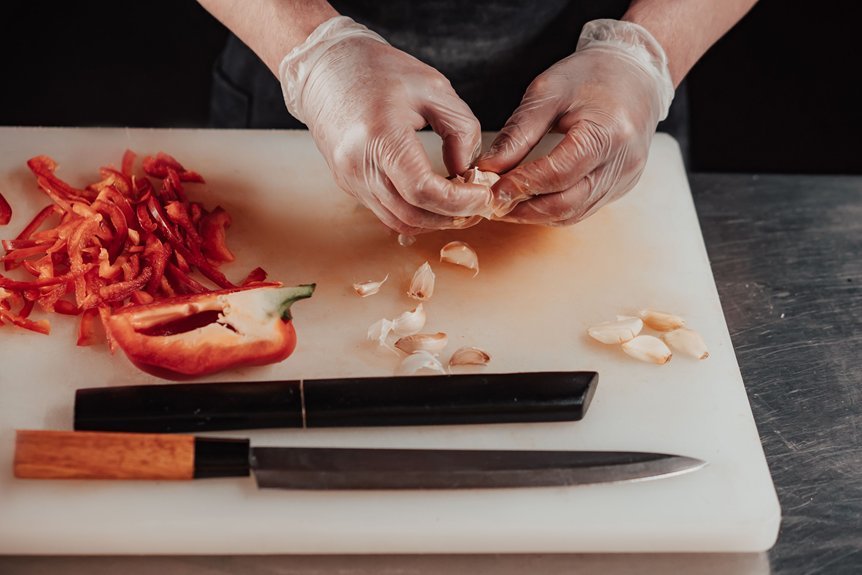
You want pro level slicing without a big spend. I’ve used these knives on busy prep lines and at home, and they bite clean through onions with a soft whisper.
Pick steels that hold an edge and feel lively in hand. I like 1.4116 for easy care and ATS 34 for longer bite. High carbon stainless adds a crisp feel on the board. Think of it as a sharp pencil that stays sharp.
Go for a thin gyuto blade. It glides through tomatoes and herbs with a silky push. You feel the board tap, then silence. Aim for 58 to 62 HRC so the edge stays keen yet forgiving.
Handles matter. I prefer a simple wood handle that feels warm and dry. You grip it and it stays planted like a good handshake.
Here are smart picks I trust:
- Budget gyuto knives, fast slicers for meat and veg
- Compact paring knives, tight control for detail work
- Kiridashi tools, small blades for precise cuts
Choose the right style and you get clean slices every time. I’ve seen these rival pricier blades on the line. A few smart picks now will sharpen your decision later.
8-Inch Gyuto Chef Knife 1.4116 Steel
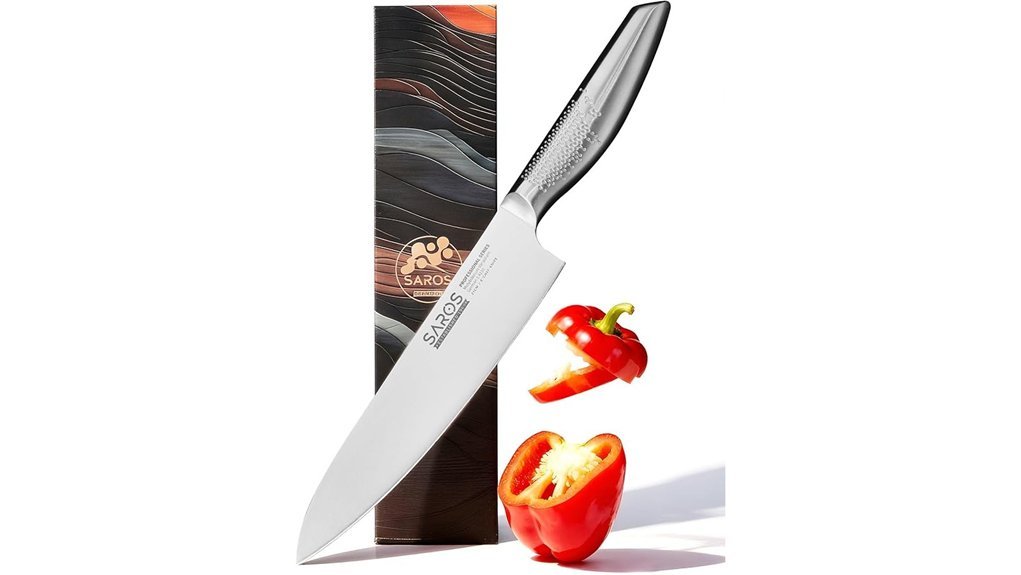
If you want a *reliable budget pick* that still cuts clean, I’ve used this 8 inch Gyuto and it holds its own. It bites into onions with a crisp sound. Think of it as your daily driver in the kitchen.
The 13° edge per side feels sharp right away. I slice meat and herbs with smooth glide. The 2.5 mm spine tapers nicely. You get control and a light feel in hand.
The 1.4116 German stainless steel keeps things simple. It resists rust and cleans fast. You spend more time cooking and less time fussing. That’s a win.
The all steel handle feels cool and solid. It sits balanced in your grip. In a busy prep session it stays steady like a rock.
It ships in a clean gift box. Nice touch. Easy win for gifting.
Best For: You want a sharp Japanese style chef knife with easy care and fair price.
Pros:
- *Sharp 13° edge* gives clean slices with little effort
- *Stainless 1.4116 steel* resists rust and wipes clean fast
- *Balanced steel handle* gives steady control in hand
Cons:
- Edge life stays fair with regular touch ups
- Steel handle feels slick with wet hands
- Grind stays thicker than high end gyuto knives
https://www.amazon.com/dp/B0FQTQVPY4?tag=webbuild06-20
TIVOLI Japanese Tanto Kitchen Knife with Walnut Handle
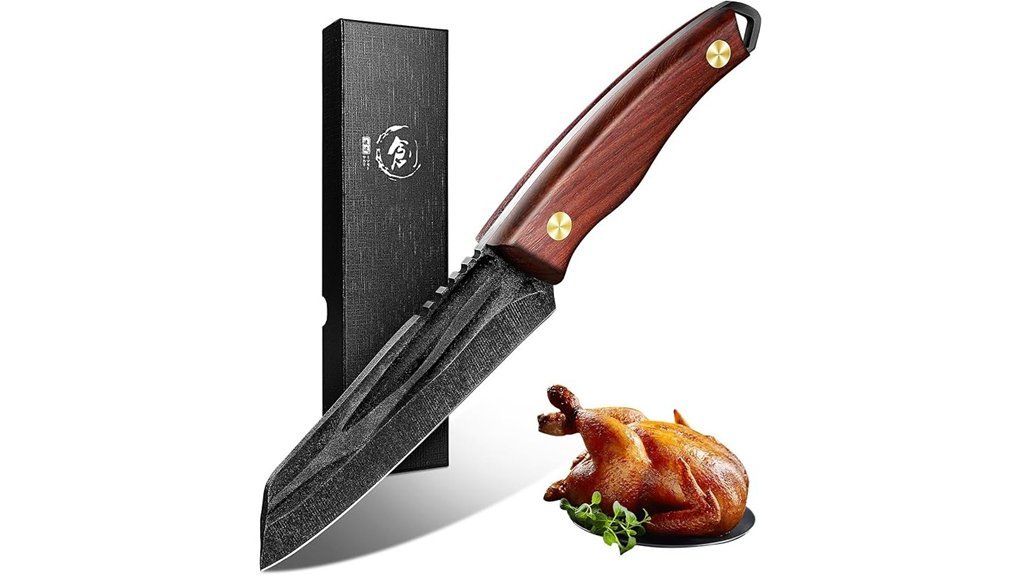
For cooks who want a rugged, do it all blade, I reach for the TIVOLI Japanese Tanto. The angular tip bites fast. It feels like a chisel on a mission. You push through dense meat and hear a clean crunch on squash. This knife hits like a workhorse.
I tested it on brisket and root veg. It powered through with steady control. The spine feels firm in your grip. The edge tracks straight. Think of it as a small tank in your kitchen.
Hand forged in 36 steps, it uses ATS 34 steel. You get a sharp edge that holds. The steel resists rust in a humid sink area. The walnut handle feels warm and smooth. The full tang adds balance you can feel. A serrated spine adds bite for tough cuts. The curved profile keeps your knuckles safe. It looks unique and gift ready.
Best For: Home cooks and enthusiasts who want a tough knife for dense foods and heavy prep.
Pros:
- Strong tanto tip drives into meat and squash with ease
- ATS 34 steel holds an edge and cleans up fast
- Walnut handle and full tang give steady control
Cons:
- Tanto tip favors power over fine detail work
- Heavier feel suits firm hands and steady pace
- Serrated spine feels aggressive on some grips
Quick take: You want power and grip. You get both. This blade pulls its weight every day.
8-Inch Japanese Gyuto Chef Knife HC Steel
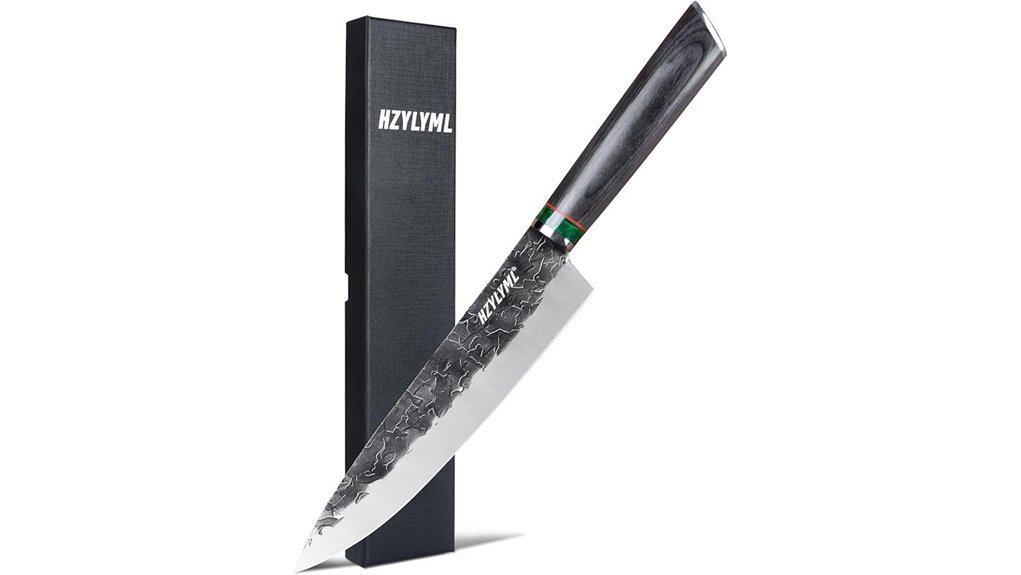
An 8 inch gyuto that feels alive in your hand. I’ve used it on onions, fish, and dense cuts of meat. It bites fast and glides clean. You hear that soft crunch as it hits a carrot, smooth and controlled.
The high carbon stainless steel blade holds a keen edge. I noticed fewer passes per slice. That saves time and effort. The hand forged build adds strength you can feel. It has a solid spine with a fine tip.
The hammered finish acts like a raincoat for food. Slices fall away instead of sticking. Less drag, more flow. The sharp edge stays lively through long prep.
The resin and wood handle feels warm and secure. It sits snug in your palm. No hot spots during long sessions. At 8 inches it hits the sweet spot. Think of it as a trusty all rounder.
Weight stays light at 0.43 pounds. You stay quick on the board. Control stays tight. It fits both home kitchens and pro lines.
Best For: You want a versatile gyuto chef knife for daily prep with clean cuts and steady balance.
Pros:
- Hand forged high carbon stainless steel gives sharp and lasting performance
- Hammered finish helps food release and keeps slices clean
- Resin and wood handle feels secure and comfortable
Cons:
- High carbon content needs care to keep the blade bright
- Best for slicing and chopping tasks
- Handle feel can shift slightly with heavy use
Japanese 4-Inch Paring Knife with Wooden Handle
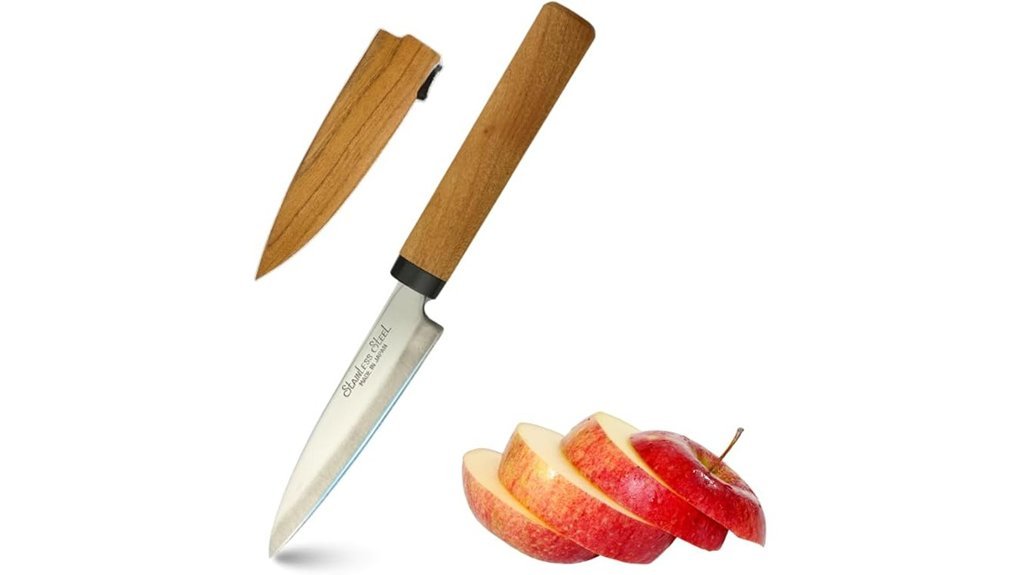
I’ve used this 4 inch Japanese paring knife for daily prep, and it feels like a small brush in your hand. Light, quick, precise. Like a scalpel in a home kitchen.
You get a *high carbon stainless steel* blade that bites cleanly into apple skin with a soft whisper. The edge holds well, and rust stays at bay with basic care. I slice garlic into paper thin pieces with ease. The pointed tip gives tight control for peeling and coring.
The *lightweight build* keeps your wrist fresh during detail work. I notice less strain after long prep sessions. The *genuine Japanese oak handle* feels warm and slightly textured. It sits balanced in your grip, like it belongs there.
*Hand sharpened craftsmanship* shows up right away. The blade glides through herbs with a crisp sound. You also get a sheath, which keeps the edge safe in a drawer or bag. Cleaning stays simple, and the finish wipes clean fast.
Best For:
Home cooks who want a compact knife for precise prep like peeling, trimming, and fine mincing. It shines in tight tasks where control matters most.
Pros:
- Sharp high carbon stainless steel blade with strong edge retention
- Lightweight feel with ergonomic Japanese oak handle for steady control
- Protective sheath included for safe storage and travel
- Easy maintenance with smooth blade finish
Cons:
- 4 inch blade focuses on detail work and favors small ingredients
- Wooden handle rewards gentle care for long life
- Hand washing supports peak edge life and finish quality
Quick Specs:
- Blade length, 4 inches
- Steel, high carbon stainless steel
- Handle, Japanese oak wood
- Edge, hand sharpened
- Extras, protective sheath included
If you want a nimble prep tool that feels alive in your hand, this one hits the sweet spot. It keeps things simple and sharp.
Gifu Japan Kiridashi Pocket Knife with Sheath
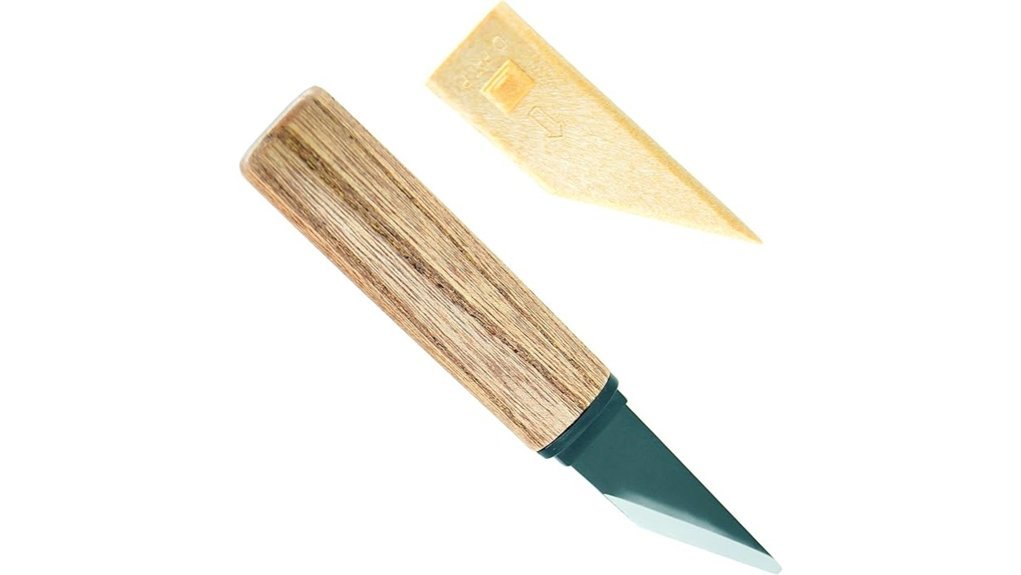
Gifu Japan Kiridashi Pocket Knife with Sheath Review
I’ve carried this kiridashi on my bench for weeks. It feels like a scalpel for wood and leather. The blade bites fast and clean. You hear a soft whisper as it slices fibers.
The hand polished Japanese steel blade comes razor sharp. I felt it glide through basswood like butter on warm toast. Control stays tight thanks to the right handed single bevel grind. Your cuts track true with less drift.
The wooden handle feels warm and smooth. It sits light in your fingers. A partial bolster gives your grip a solid stop. It also shields the edge during sharpening sessions.
The sheath adds real utility. You get quick one hand draw with its smart projection. It clicks in with a snug hold. I like that for desk carry and shop use.
Think of it as a fine pen for your craft. Small tool. Big precision.
Best For
Right handed crafters who want clean detail work. Wood carving. Leather cuts. Paper and mail on your desk.
Pros
- Japanese steel blade stays sharp and slices with crisp feedback
- Right handed grind boosts control and line accuracy
- Wood handle feels natural and steady in hand
- Sheath with projection allows fast one hand access
Cons
- Single bevel favors right handed use
- High carbon steel needs oil to keep a bright finish
- Light duty focus suits detail tasks and fine cuts
Why It Works
You get a focused edge geometry. That means cleaner lines and less tear out. The steel holds a keen edge. The form keeps your hand close to the work. It all adds up to precise control you can feel on every pass.
Seki Japan Small Fruit Knife with Wooden Handle
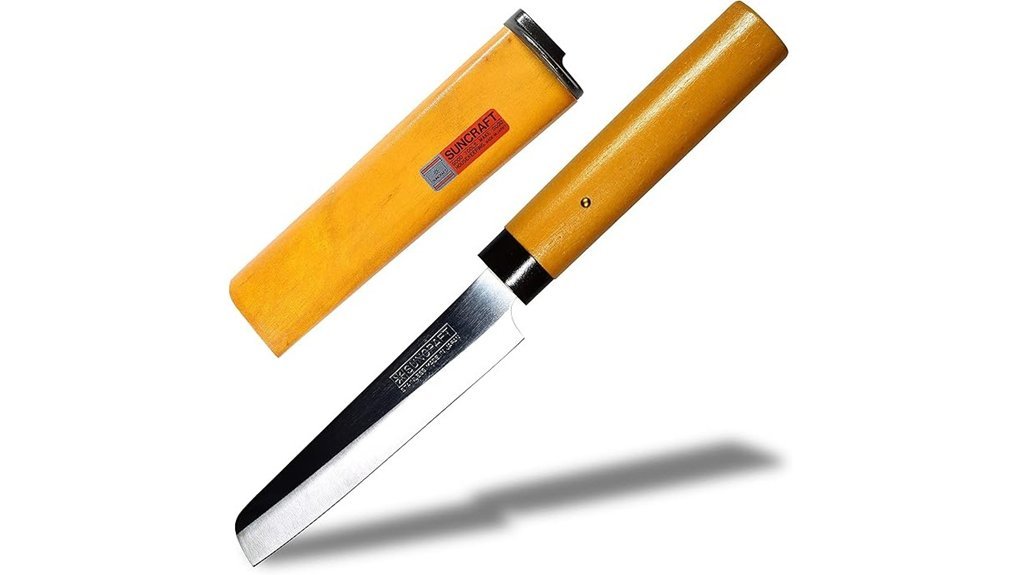
If you want a *compact travel blade*, I keep reaching for the Seki Japan Small Fruit Knife. It feels light in hand. It bites clean into apples with a soft crisp sound. You get an 8.5 inch *stainless steel blade* that stays sharp through daily prep. I slice fruit and trim veg with steady control. Think of it as a small but mighty sidekick.
The rectangular profile feels close to a Santoku. You guide each cut with ease. The *wooden handle* feels warm and smooth. It grips well even with damp hands. The sheath slides on with a snug wooden click. I toss it in a bag for trips and cookouts. It travels like a charm.
Seki City gives this knife real heritage. I notice the clean grind and solid edge. You get lasting sharpness and daily reliability. It works hard without fuss. Simple tool, strong results.
Best For: You want a portable knife for fruit prep, light veg work, and quick outdoor cooking.
Pros:
- Compact size with a wooden sheath for safe carry
- Sharp stainless blade for clean precise cuts
- Made in Seki Japan with trusted craftsmanship
Cons:
- Smaller blade suits light prep over big tasks
- Wooden sheath needs basic care to keep its fit
- Rectangular shape takes a short learning curve
Japanese-Style Chef Knife 6″ 5Cr15 Steel with Sheath
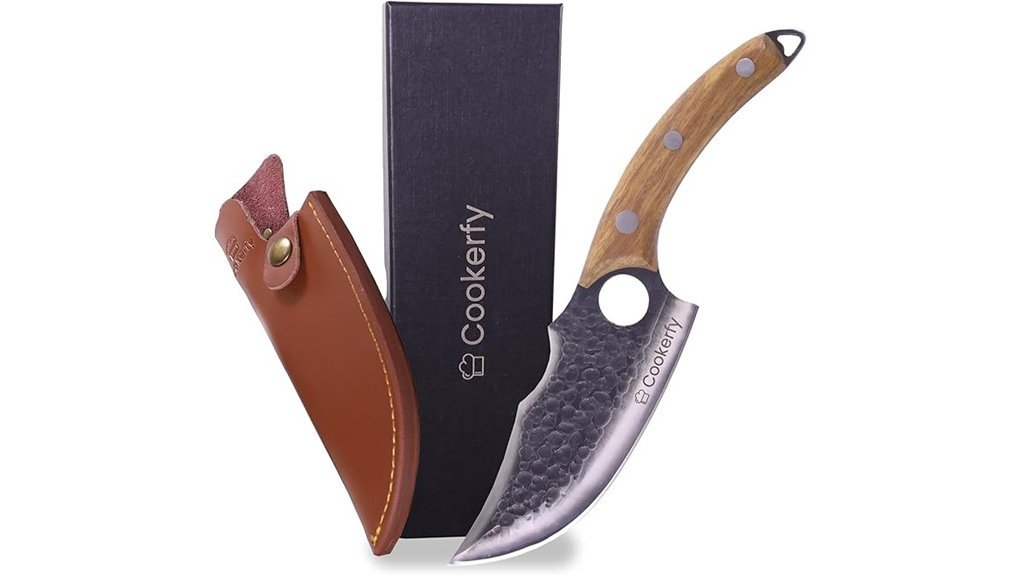
Budget cooks, this one punches above its weight. I’ve used this compact Japanese style chef knife on weeknight prep and campsite boards. It feels quick in hand. It bites into onions with a soft crunch. Like a trusty sidekick, it shows up every time.
The 6 inch blade uses 5Cr15 high carbon steel. You get steady edge life and fast touch ups. I can bring it back on a simple rod in minutes. The edge glides through herbs and leaves a clean scent in the air.
Grip matters. The rosewood handle feels warm and smooth. It sits balanced in your palm. I chop longer with less strain. The knife weighs 8.8 ounces and stays lively on the board. Think of it as a nimble dancer.
I carry it outdoors too. The genuine leather sheath smells rich and keeps the blade snug. It rides well in a pack and stays ready at camp. Cookerfy’s 2024 model hits a sweet spot for daily use.
Best For: Home cooks and campers who want a compact knife with steady everyday performance.
Pros:
- 5Cr15 steel holds an edge well and sharpens fast
- Light 8.8 oz build with rosewood handle for easy control
- Leather sheath adds safe carry and storage
Cons:
- 6 inch size suits small boards and tight prep
- Steel class favors ease over elite edge life
- Blade profile suits veggies and meats more than bone work
Kakuse Koumei Nakamua Japanese Knife Set of 5 2019 New Ver.
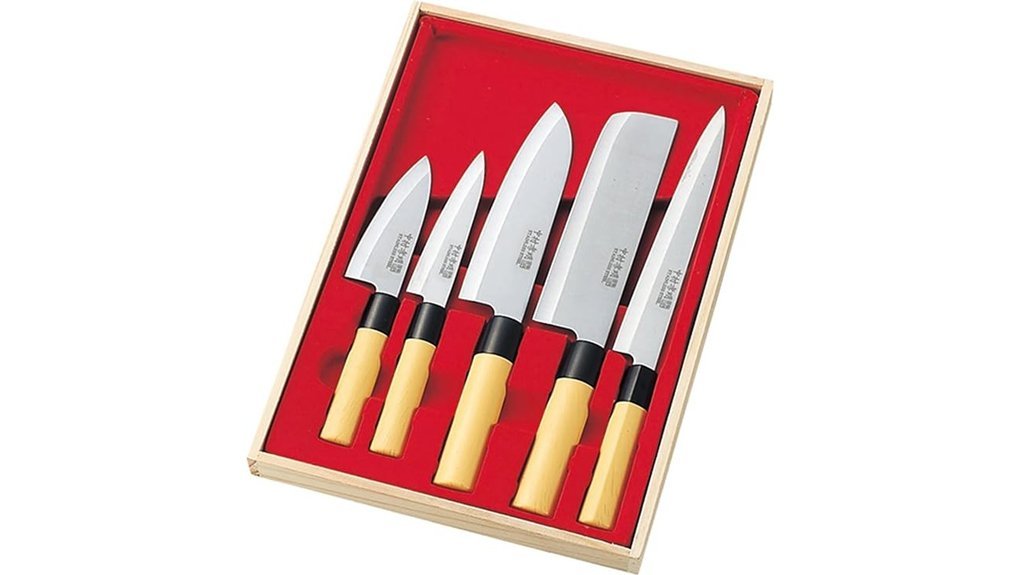
I’ve used this five knife set in a busy home kitchen, and it feels like a starter kit that actually pulls its weight. You get the core shapes that matter, and each one slips through prep like a warm knife through butter.
The chef’s knife handles onions with a clean thud on the board. The sashimi knife glides through fish with a smooth pull cut. I like how the nakiri chops greens fast and clean. The petty knife feels nimble in hand. The small deba tackles light fish work with a solid feel.
Each blade uses stamped stainless steel, so you feel a light touch in your grip. The handle stays cool and smooth, though it can feel slick with wet hands. I found the balance easy for long prep sessions, and your wrist stays fresh.
You get steady performance for the price. Think of it as a reliable daily driver that gets you from prep to plate without fuss.
Best For:
You want a simple all in one kitchen knife set. You cook at home and value light weight and easy control.
Pros:
- Covers all core kitchen tasks with five essential knives
- Lightweight build keeps fatigue low during long prep
- Solid user ratings at 4.3 stars show consistent results
Cons:
- Edge life feels shorter than forged blades
- Stainless handles feel smooth and can turn slick with water
- Hand washing keeps the finish looking sharp
Tech Specs at a glance:
- Brand, KAKUSEE NKL 01
- Blade type, stamped stainless steel
- Edge style, plain edge
- Handle, stainless steel
- Weight, about 61 grams per knife
You get versatile value here. It fits a small kitchen like a glove.
DRAGON RIOT Viking Meat Cutting Knife (No Sheath)
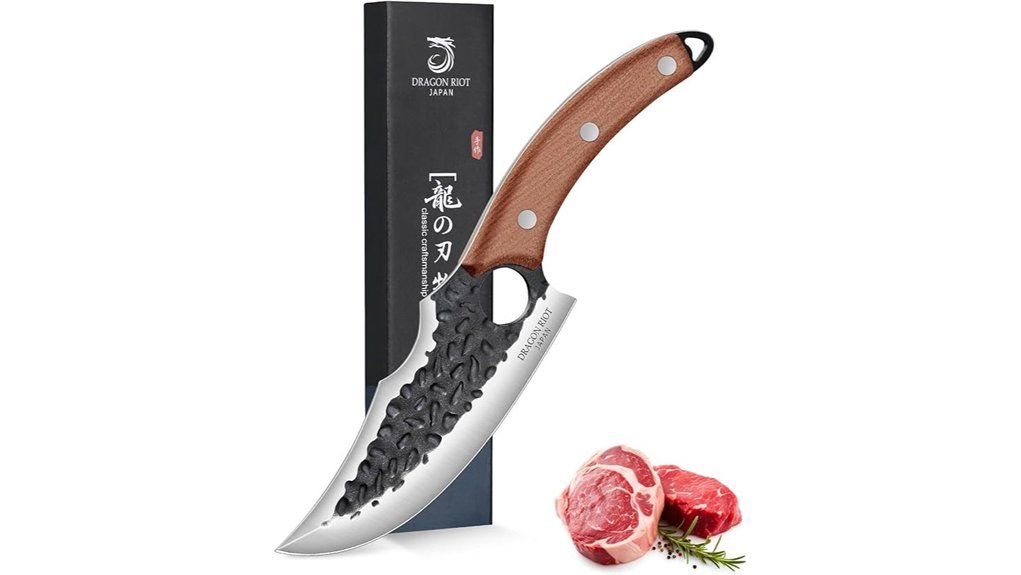
I’ve put this blade through real prep and camp use, and it feels like a workhorse from the first chop. The DRAGON RIOT *Viking Meat Cutting Knife* pairs rugged looks with sharp control. You feel the bite of high carbon steel at 58±2 HRC with each slice. The edge grabs tomato skin and glides. The spine feels thick in hand. It’s like a trusty pickup that keeps hauling.
The full tang build adds balance you can feel. I notice less wrist strain during long prep. The ergonomic oak handle feels warm and slightly textured. Sweat or rain still leaves a steady grip. Wood gives a faint earthy scent that fits camp cooking. I like how it handles onions and firewood prep alike.
Outdoors it earns its keep fast. You can slice meat then dice veg without fuss. The blade pushes through dense cuts with a clean sound. In the kitchen it stays steady on a board. This knife plays many roles and keeps pace.
Best For: You want one blade for kitchen and campsite that stays sharp and feels solid.
Pros:
- High carbon steel holds an edge well and sharpens fast
- Thick blade and full tang give solid balance and strength
- Oak handle feels secure and reduces hand fatigue
Cons:
- Storage and carry call for a separate sheath
- Thick profile suits power cuts more than fine detail
- High carbon steel rewards regular oiling for peak shine
Quick Specs:
- Steel: High carbon steel, 58±2 HRC
- Build: Full tang
- Handle: Oak wood
- Use: Meat prep, veg prep, camp cooking
If you like tools that feel alive in your hand, this one fits. It cuts clean and asks for simple care. Like a sharp axe at camp, it gets the job done and then some.
Matsato Chef Knife Japanese Steel 6.3-Inch Kitchen Knife
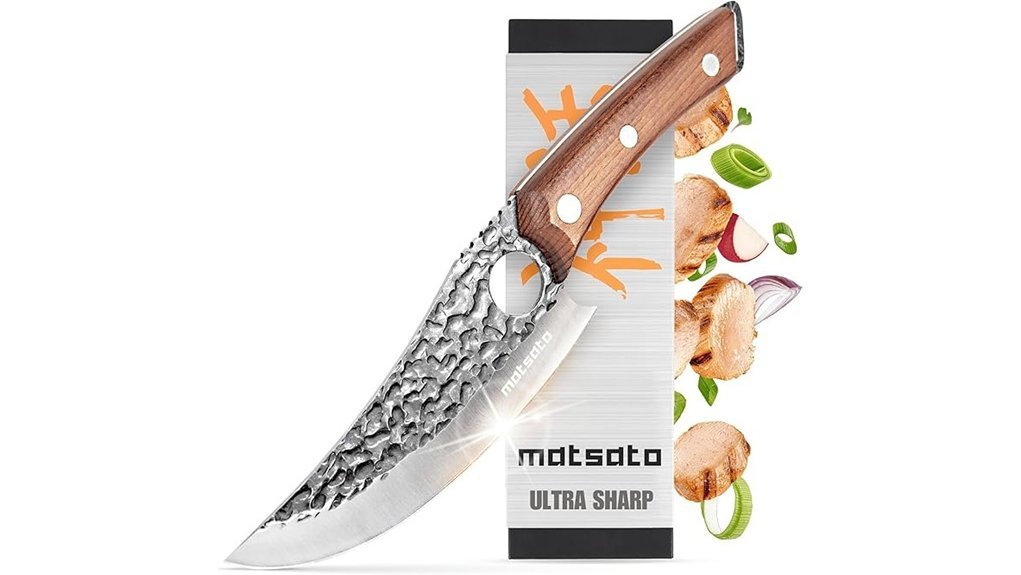
I’ve used this knife on busy weeknights and slow Sunday prep. It feels like a scalpel for your kitchen. Small but sharp. Always ready.
Blade and Steel
You get a 6.3 inch blade that moves fast. I slice onions and hear a clean whisper. The 1.4116 stainless steel holds an edge well. It resists chips during hard cuts. The spine sits at 0.14 inch so it feels sturdy in hand.
Balance and Feel
I notice the 176 gram weight right away. It sits right in the sweet spot. The wooden handle feels warm and smooth. My grip stays steady even with wet hands. Think of it as a well tuned instrument.
Real Use
I chop herbs with a quick rhythm. I slice chicken with one pull. I mince garlic without strain. The shorter length gives tight control on small boards. It shines in daily prep.
Care
I rinse and wipe it dry. The steel stays bright with simple care. The handle looks better with a light oil now and then. Treat it like a cast iron pan and it rewards you.
Best For
Home cooks and pros who want a compact chef knife for precise daily work.
Key Specs
- Blade length, 6.3 inches
- Steel, 1.4116 stainless
- Weight, 176 grams
- Thickness, 0.14 inch
- Handle, solid wood
Pros
- Sharp edge that stays keen
- Balanced feel for control
- Compact size for tight prep
Cons
- Hand wash and dry right after use
- Shorter blade suits small tasks best
- Wood handle benefits from light care
Bottom Line
You want speed and control. This knife delivers. It looks classic with a brown handle and silver blade. It cuts clean and feels right every time.
Factors to Consider When Choosing a Cheap Japanese Knife
When I test a cheap Japanese knife, I start with the steel. It bites into food with a crisp sound. *That edge tells the truth.* You want steel that holds sharpness through many cuts. Look for high carbon or stainless blends that feel hard yet smooth on the board.
Next, I check the edge angle. A thinner angle slices like a whisper. You feel it glide through onions with almost no push. *That’s the sweet spot.* A sharp edge also means cleaner cuts and better flavor.
Grip matters more than you think. I wrap my hand around the handle and feel the texture. Does it feel secure when wet. Does it sit right in your palm. *Comfort keeps you in control.* A good handle turns prep into a steady rhythm.
Weight and balance come next. I lift the knife and let it settle in my hand. Too heavy slows you down. Too light feels flimsy. *Balance is like a dance partner.* You want the blade and handle to move as one.
Finally, think about upkeep. I’ve used blades that rust fast and others that stay bright. You want easy care with simple honing. *A low fuss knife stays in action.* Pick one that keeps its edge without constant work.
Quick checklist I use in the field:
- Blade steel, holds an edge and resists wear
- Edge angle, thin for clean slicing
- Handle feel, secure and comfortable
- Weight and balance, steady in motion
- Maintenance, simple care routine
That’s how you pick a budget blade that still feels sharp and alive.
Blade Steel Quality
Blade Steel Quality
I’ve cut rope, wood, and food with these steels. Steel choice drives daily feel and edge life.
Start with composition. High carbon stainless feels smooth on the cut and wipes clean after use. You get strong hardness with solid rust resistance. It smells clean after a rinse and dries fast.
Pick proven grades. I trust *1.4116* and *ATS-34*. They bite into material and keep a crisp edge. Edge retention stays steady through long sessions.
Check hardness. Aim for *58 to 62 HRC*. That range keeps a sharp edge and still resists chips. You’ll hear a clean bite as the edge grabs.
Balance thickness with steel. Thin blades glide through food like butter. Thick blades power through wood and tough cord. Match the job to the blade.
Forged blades feel dense in hand. The spine rings with a firm tap. You get strength and long life.
Quick checks I use in the field
- Steel type, 1.4116 or ATS-34
- Hardness, 58 to 62 HRC
- Grind and thickness for your tasks
- Fit and finish at the spine and edge
Treat steel like the engine in a car. Pick it right and every cut feels easy.
Edge Sharpness Angle
Edge Angle Drives the Cut
I’ve felt this on the board again and again. Steel gets hype, yet the *edge angle* does the real work. It bites the food first. It sets the feel.
What You Feel in Use
A 10° to 15° edge per side gives a slick glide. I hear a soft whisper as it moves through fish. You see clean faces on vegetables. Think of it like a sports car on fresh asphalt. *Fast and smooth.*
Push it to about 13° and you get laser like slices. Sashimi falls away in neat sheets. Herbs keep their scent since cells stay intact.
Go wider near 20° and you gain strength. I feel more resistance yet more confidence on squash. The edge holds up through tougher prep. It trades some finesse for grit.
Blade Geometry Matters
Thin geometry boosts that keen feel. Food releases easier. Drag stays low. Your hand feels less fatigue after long prep.
Keep the Edge True
You keep performance with steady care. Hone often to align the edge. Sharpen at the same angle each time. Your muscle memory builds fast.
Quick Specs You Can Use
- 10° to 15° per side, best for fine slicing
- Around 13°, sweet spot for fish and veg
- Near 20°, stronger edge for dense produce
- Thin grind, smoother glide and less drag
Pick Your Balance
You choose based on your daily prep. I match angle to tasks. Home cooks benefit from a middle ground. It’s a *sweet spot* that keeps cuts clean and edges durable. Your knife stays eager for the next board session.
Handle Comfort Grip
Handle Comfort Grip
I judge a knife the second it hits my palm. Feel speaks first. Balance follows like a shadow.
You notice the handle right away. Wood feels warm and alive. Steel feels cool and firm with a clean grip.
I look for an *ergonomic handle*. It keeps your wrist straight and relaxed. Long prep stays smooth.
Texture matters a lot. A light grit or contour bites into your skin just enough. Wet hands still feel steady. Think of it as a handshake that never slips.
Size makes or breaks control. Your fingers should wrap with ease. Your thumb finds a natural rest. You move with flow instead of force.
I tested this during long onion runs. The handle stayed calm in my grip. No hot spots. No fatigue creeping in.
Focus on these quick checks:
- Shape supports a neutral wrist
- Material feels right in your hand
- Texture adds grip with moisture
- Fit matches your hand size
Small details punch above their weight. A solid handle lets you cut longer with ease. Control stays sharp. Confidence grows with every slice.
Weight And Balance
Weight And Balance
Pick up a knife and you feel its story. The handle sits in your palm. The steel has a cool bite. I’ve tested dozens and the first clue always comes from weight.
Heavier knives drive through carrots with a solid thud. They give you control on big cuts. Lighter knives glide fast. They shine in fine work.
Balance matters more than people think. You feel it right away. A well balanced knife sits level in your grip. That balance saves your wrist over time. It also sharpens your control. Think of it like a tightrope walker, steady and calm.
I watch how the blade tracks through food. Does it fall forward. Does it feel neutral. That tells me where the weight sits.
What to feel for
- Even balance, blade and handle share weight
- Forward bias, more power in the tip
- Handle bias, more control near your grip
Your cooking style guides your pick. Dense squash likes a bit of heft. Herbs and garlic like a light touch. I switch based on the task.
Listen for the sound. A clean slice sounds crisp. Feel the feedback in your fingers. That small signal tells you a lot.
Trust your hand. Try a few. Find the one that feels like an extension of you. That is the sweet spot.
Durability And Maintenance
I’ve used plenty of budget Japanese knives, and steel choice sets the tone. Pick high carbon stainless steel. It feels crisp on the board and holds a keen edge like a razor whisper.
Rust resistance matters in daily use. Water and acid hit fast in a busy kitchen. You want a blade that shrugs it off and keeps its bite.
Handle shape affects control more than you think. A good grip feels warm and steady in your hand. You guide each cut with calm precision, like a painter with a fine brush.
Forged blades tend to last longer. I hear a solid thud on the board and see fewer chips over time. Stamped blades feel lighter but wear shows sooner.
Care makes or breaks the deal. Think of it as oiling a bike chain.
- Rinse right after use
- Dry it while it still feels warm
- Hone often for a smooth edge
- Sharpen on stones for peak bite
Use soft boards like wood or rubber. Hard glass sounds harsh and dulls the edge fast. Keep your cuts straight and clean. Twisting stresses the edge and invites tiny chips.
Stick with this routine and you’ll *stretch every dollar*. A budget knife can feel sharp, steady, and dependable for years.
Knife Type Purpose
Because each blade serves a clear job, your choice sets the pace in your kitchen. I feel the difference the moment steel hits the board. It sounds crisp and clean.
Grab a Gyuto for daily work. It glides through onions and herbs with a soft whisper. You get speed and flow.
Pick a Tanto for tight piercing. The tip bites in with control like a needle through fabric. I use it for detail cuts.
Reach for an eight inch chef knife for broad tasks. It handles meat and veg with steady balance. Think of it as your workhorse.
Add a small paring knife for close work. You feel every curve of the fruit in your hand. Peels come off in thin ribbons.
Use a Nakiri for veg heavy prep. The flat edge taps a steady rhythm on the board. Cuts stay clean and even.
Choose a Sashimi knife for fish. The long blade draws smooth slices in one pass. Each cut looks glassy and neat.
Focus on blade material. High carbon stainless steel gives sharp edges and solid life. It keeps a keen bite with less fuss.
Handle comfort matters. A good grip feels warm and secure in your palm. Long sessions stay easy.
Match your knife to your routine. You move faster and cleaner. Fatigue fades like a dull blade on stone.
Price To Performance
Price to Performance
I’ve put budget knives through real prep, onions, herbs, raw meat. Here’s what actually pays off.
Start with steel quality. High carbon stainless feels crisp on the board. It holds a keen edge and shrugs off rust. You spend less time honing and more time cutting. Like a sharp pencil, it just works.
Next, check blade geometry. A thin grind bites fast. You’ll hear that clean whisper through tomato skin. Less force, cleaner slices, better control. Thin beats thick for daily prep.
Grip matters. Handle ergonomics decide comfort. I want a handle that melts into my palm. No hot spots, no slip, steady control. Long sessions stay smooth.
Build quality shows up in small details. Look at the spine and choil. Feel the fit and finish. Even budget knives can show care in heat treat and grind. Craft shows in how the blade tracks through food.
Value loves versatility. One chef knife can cover most tasks. Fewer tools, better results. It’s the Swiss Army knife of the kitchen.
Quick checks I use:
- Steel type, high carbon stainless for edge life
- Grind, thin edge for easy cuts
- Handle, secure grip with balance
- Fit and finish, smooth edges and even grind
- Use case, one knife that does most jobs
Pick smart and your knife will sing on the board.
Conclusion
You feel the difference on the first slice. The blade glides with a soft whisper through onions and herbs. I’ve used these knives daily and they deliver *clean cuts* with steady control.
Pick smart and you cook like a pro. Focus on steel type and edge retention. Check balance in your hand. Grip the handle and feel the comfort.
A good knife moves like a hot knife through butter. Each cut lands smooth and precise. Your prep gets faster and sharper.
Cooking starts to click. The rhythm builds. You enjoy the sound of the board and the scent of fresh cuts.
That’s the point. You get pro level results without a high price.