When I first heard about mustard plasters, I was curious. I had seen old photos of them in a family album. These remedies may seem odd now, but they work. This guide shows you how to make a mustard plaster recipe that relieves chest congestion and muscle aches. You’ll get step-by-step instructions, safety tips, and historical insights.
The Forgotten Power of Mustard Plasters
For over 2000 years, people have used mustard plasters to ease discomfort. Ancient healers used mustard seeds to clear chest congestion and ease muscle pain. Even in the 1900s, doctors recommended this remedy. It can warm the body and bring relief quickly.
- Mustard plasters heat the skin naturally.
- They help reduce respiratory and muscle issues.
- The guide shows you how to use them safely.
I remember my grandmother using a mustard plaster when she had a cold. Her method was simple and effective. Today, we revisit that remedy with modern tips.
What Exactly Is a Mustard Plaster?
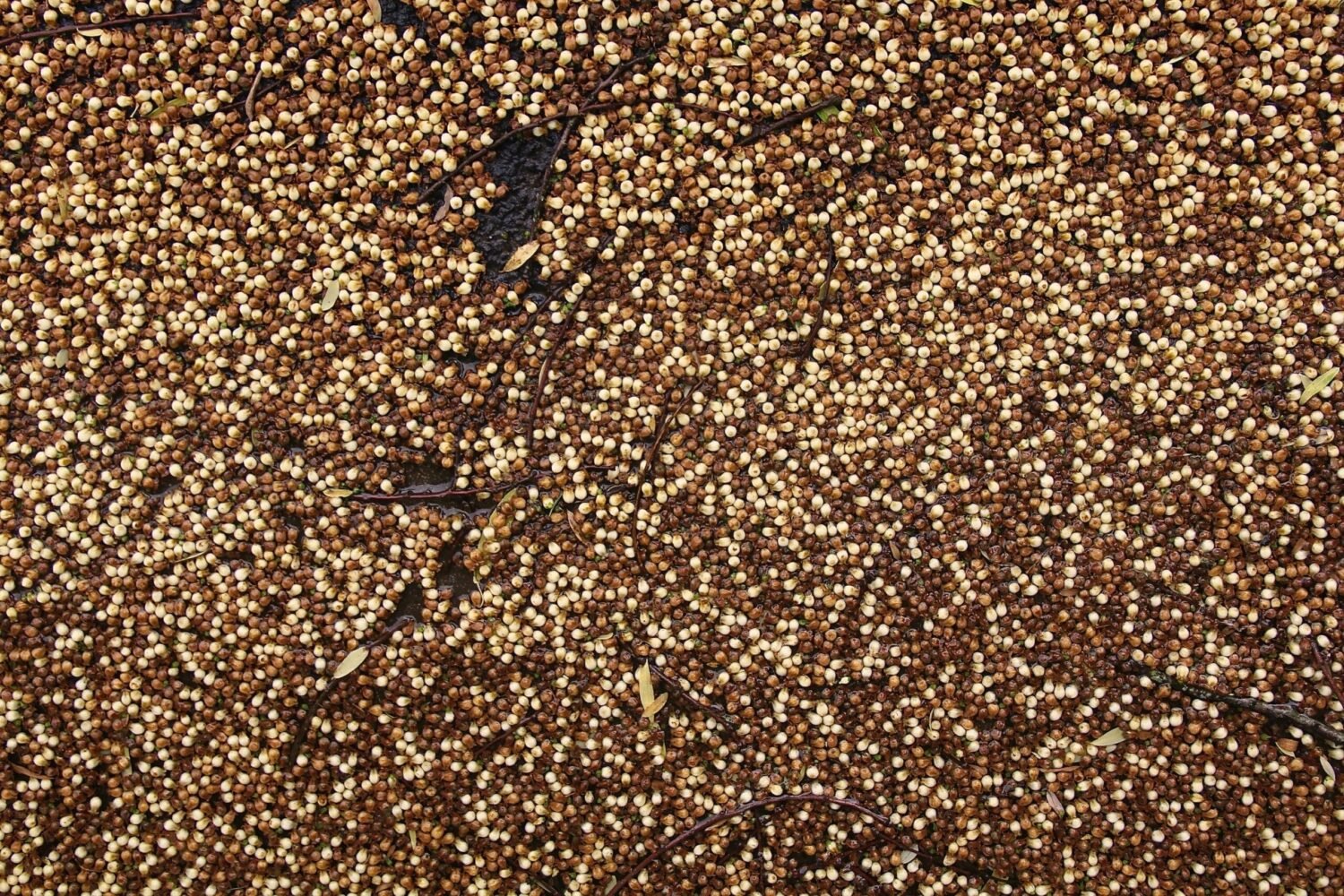
A mustard plaster is a paste made of ground mustard, flour, and water. The key ingredient is mustard powder. When mixed with water, it produces heat. This sensation helps draw blood to the skin, easing congestion.
- Mustard powder blends with flour and warm water.
- The paste is spread on cloth.
- You place the cloth on the affected area.
- A protective oil is applied on your skin beforehand.
Many old texts mention the active ingredient, allyl isothiocyanate. It makes your skin warm and red. This heat stirs blood flow and eases pain. Even doctors of old praised this remedy.
What You’ll Learn in This Guide
- Three ways to mix a mustard plaster recipe.
- Step-by-step instructions to apply the plaster.
- Safety tips for children, seniors, and sensitive skin.
- A simple scientific view of how the plaster works.
- Advice to reduce skin discomfort.
I like to share such tips as if I’m chatting with my best friend. Let’s get right to it.
The Science Behind Mustard Plasters
How Mustard Plasters Work: The Healing Power of Heat
Mustard plasters work by creating local heat on your skin. This heat draws blood to the area. Increased blood flow eases congestion and muscle pain. Studies show that warm skin leads to better circulation and toxin removal.
- The heat helps clear mucus.
- It soothes aching muscles.
- The active compound warms the body.
You might feel a tickle or light burn on the skin. This is normal, and it means the plaster is doing its job.
Medical Conditions Mustard Plasters Can Help Treat
This remedy is useful for several issues:
- Chest congestion from colds or flu.
- Muscular aches and joint pain.
- Minor sprains and strains.
- General circulation problems.
Using a mustard plaster can bring relief when other remedies do not. It is a handy tool during cold seasons.
The Advantage Over Modern Alternatives
Unlike many drugs, this recipe uses less and natural ingredients. It is inexpensive and easily made at home. Many people prefer natural heat therapy over pills. The mustard plaster offers a quick warming effect and is a supplement to other treatments. This guide gives you a chance to try a home remedy that has made many feel better over time.
Essential Ingredients & Supplies
Must-Have Ingredients
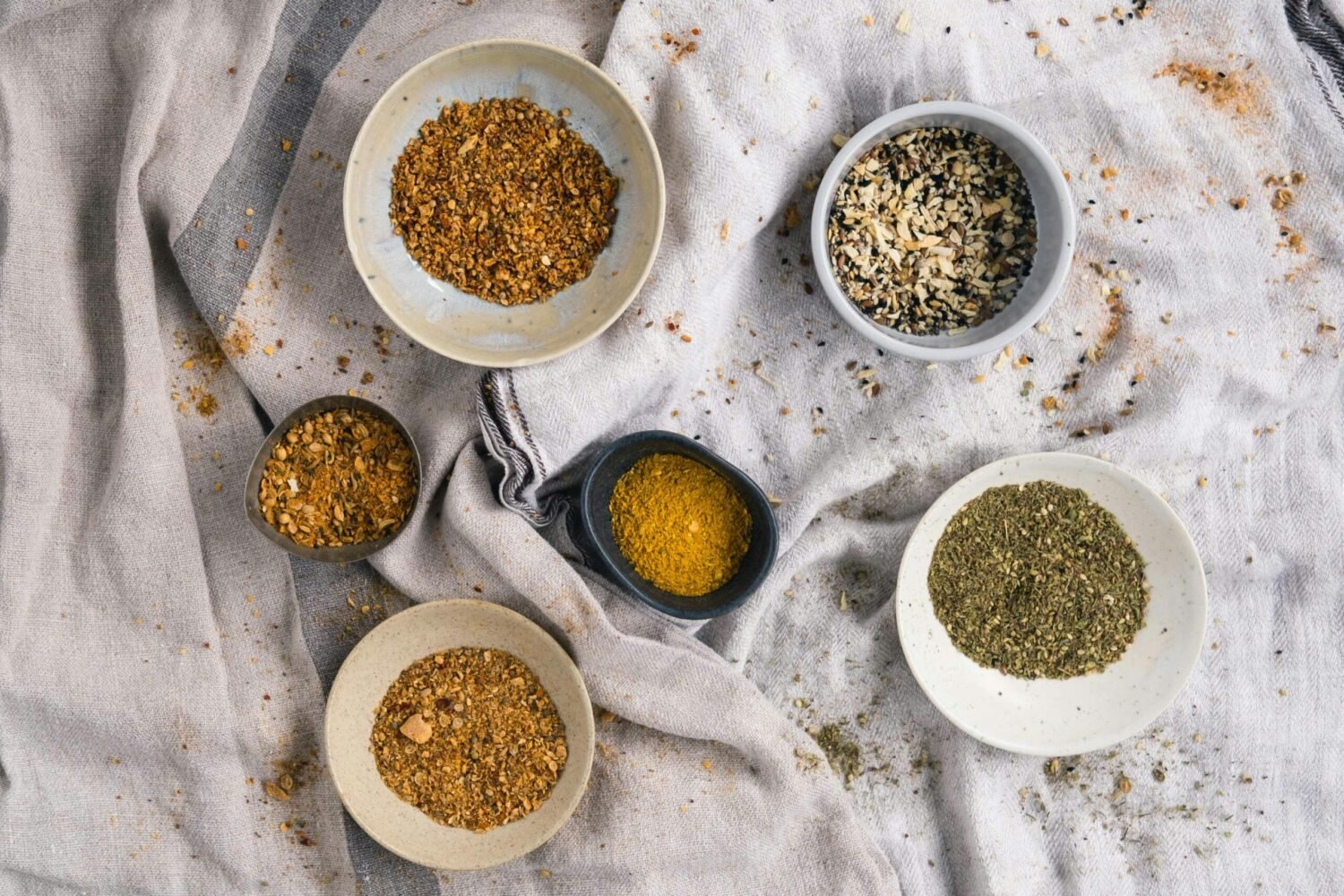
- Dry mustard powder from your local spice shop.
- Flour (you can try all-purpose or whole wheat).
- Warm water – not too hot.
- A bit of olive oil or coconut oil to protect your skin.
Additional Supplies
- A clean cotton cloth or tea towel.
- A bowl and spoon for mixing.
- A rice pad or a warm towel for extra heat.
- Extra cloth layers if you have sensitive skin.
Ingredient Proportions and Safety Considerations
There are different mixes for different needs:
- A 1:1 mix for normal use.
- A 1:2 mix for a stronger effect.
- A 1:3 mix for most adults, safe for some overnight use.
- A 1:4 mix works best for children and very sensitive skin.
Always start with a small test on your skin before a full application.
The Classic Mustard Plaster Recipe
Basic Mustard Plaster Recipe (Medium Strength)
- Ingredients:*
- 1/3 cup mustard powder
- 1/3 cup all-purpose flour
- Warm water (just enough to get a pancake batter look)
- A drop of olive or coconut oil for your skin
Step-by-Step Preparation Instructions
- Combine mustard powder and flour in a bowl.
- Slowly pour warm water while stirring.
- Keep stirring until the mixture is smooth.
- Spread a thin layer on a clean cloth.
- Fold the cloth to enclose the paste.
- Rub a bit of oil on the area you will treat.
- Place the cloth on the affected area.
- Optionally, put a warm towel on top for extra heat.
- Watch your skin closely. Remove the plaster after 15 to 20 minutes.
This method is simple and effective. It offers quick relief and tastes like a piece of history.
Application Technique for Maximum Effectiveness
You want the plaster to stick well to your skin. Lay out a clean cloth. Apply the paste and fold neatly. Keep an eye on the temperature. Do not let it sit for too long. This stops the skin from getting too red or sore.
Modified Recipes for Different Needs
Gentle Mustard Plaster for Children and Sensitive Skin
This version is lighter. Mix 1 tablespoon of mustard powder with 4 tablespoons of flour. Add water slowly to make a thin paste. Place a double cloth between the paste and skin. Do an initial patch test. Limit the application to 5-10 minutes. This will help avoid any skin discomfort.
Extra-Strength Mustard Plaster for Severe Congestion
Sometimes you need a stronger mix. Use a 1:1 ratio of mustard powder to flour. Mix slowly until the paste is even. Check the plaster every couple of minutes. Do not exceed 15 minutes. This version is for adults only. Stay alert and watch for any strong burning.
Overnight Mustard Plaster Variation
When you sleep, you need a milder blend. A 1:3 or 1:4 ratio works best. Mix as usual and check your skin in the morning. Be careful when leaving the plaster overnight. Avoid using it on broken or very sensitive skin. Early testing works best.
Safe Application & Monitoring
Critical Safety Guidelines
- Do not place a plaster on cuts or irritated skin.
- Limit each use to 20 minutes.
- Always use a protective oil on your skin.
- Check your skin every few minutes.
- Remove it at once if you feel a sharp burning.
Special Precautions for Different Age Groups
Children need extra care. Stick to the gentle and quick recipe and use a cloth barrier. Seniors should use the lighter mix. If you have sensitive skin, do a patch test. Keep a close watch during the treatment.
Recognizing When to Seek Medical Help
If your skin becomes very red or sore, stop the treatment immediately. Should you feel worse after the plaster, contact a doctor. Do not use the plaster on an existing infection. Your body will send clear signals if something is wrong.
Treatment Protocols for Different Conditions
Chest Congestion and Respiratory Ailments
For chest congestion:
- Place the plaster over your chest.
- Use a 1:3 mix for most cases.
- Check the temperature every few minutes.
- Apply the plaster three to four times a day as needed.
- Rest and breathe deeply while using the remedy.
Muscle Aches and Joint Pain
For muscle pain:
- Apply the plaster on the sore area.
- A 1:1 mix gives a strong heat.
- Use a warm compress if needed.
- Keep the application to about 15 minutes.
- Gently massage the area after removing the plaster.
Preventative Use During Cold and Flu Season
At the first hint of a cold:
- Apply a light mustard plaster on your chest.
- Use the 1:4 mix to avoid irritation.
- Repeat once or twice during the day.
- Follow with a warm bath.
- This keeps congestion at bay and raises your spirits.
Historical Context & Modern Applications
The Rich History of Mustard as Medicine
Long ago, great healers used mustard for its healing effects. Hippocrates mentioned mustard remedies in ancient texts. Over the years, different cultures adopted it as a natural cure. Historians note that mustard plasters were staples in home medicine chests. They offered relief when modern drugs were scarce.
Modern Scientific Understanding
Today, research shows that warming the skin boosts blood flow. This extra flow speeds healing and eases minor pains. Scientists have tested the chemical reactions in mustard powder. The results support its use for congestion and muscle aches. Modern use respects the old ways while using current insights.
Integration with Contemporary Healthcare
Some patients combine mustard plasters with their regular treatments. They share treatment progress with their healthcare providers. This blend of old and new offers comfort. Many people gain relief during cold seasons using natural methods. It adds a gentle option to your care routine.
Troubleshooting & FAQ
Common Issues and Their Solutions
- Plaster Too Wet or Dry: Add a bit more flour if too wet. Add water if too dry.
- Not Enough Heat: Use a warm towel over the plaster.
- Plaster Shifting: Secure the cloth well on your skin.
- Cleaning Up: Wash off any residue with warm water and gentle soap.
Frequently Asked Questions
How long can I use a mustard plaster?
Keep each use below 20 minutes. Watch your skin and stop early if needed.
Can I use mustard paste instead of mustard powder?
Stick to mustard powder for the best effect. Prepared mustard may not work well.
When will I see a change?
Most people feel relief within a few minutes. Effects can vary with each use.
Is it safe during pregnancy?
Pregnant women should avoid it. Consult your doctor before treatment.
Can I reuse the cloth?
It is best to use a fresh cloth every time. Wash or dispose of the used one immediately.
What is the difference between a mustard plaster and a heating pad?
A heating pad gives warmth only. A mustard plaster also brings blood to the skin, aiding relief.
Personal Testimonials & Case Studies
I remember using this remedy during a rough winter. My grandmother swore by it. Neighbors have shared similar experiences. Many say the warmth brought quick relief. Others note that it feels like a gentle, warm hug. They have seen improvements in chest congestion and muscle pain.
These stories remind us that old remedies can still work today. Listening to personal accounts makes you trust the method. Share your experience on a food forum or blog. Your story might help someone else feel better soon.
Conclusion: The Enduring Legacy of Mustard Plasters
This guide shows that simple remedies have stood the test of time. The mustard plaster is a classic way to ease discomfort. It is cheap and made from kitchen items. It heats the skin and brings relief quickly. Always use the right mix for your needs. Take care when applying and always watch your skin.
Try this remedy the next time you feel a chill in your chest or a strain in your muscles. Give it a go and share your story. I look forward to hearing about your experience with this warm, comforting treatment.
Remember, natural remedies bring a kind of warmth that modern medicine sometimes misses. Enjoy the experience and feel the relief. Happy healing!