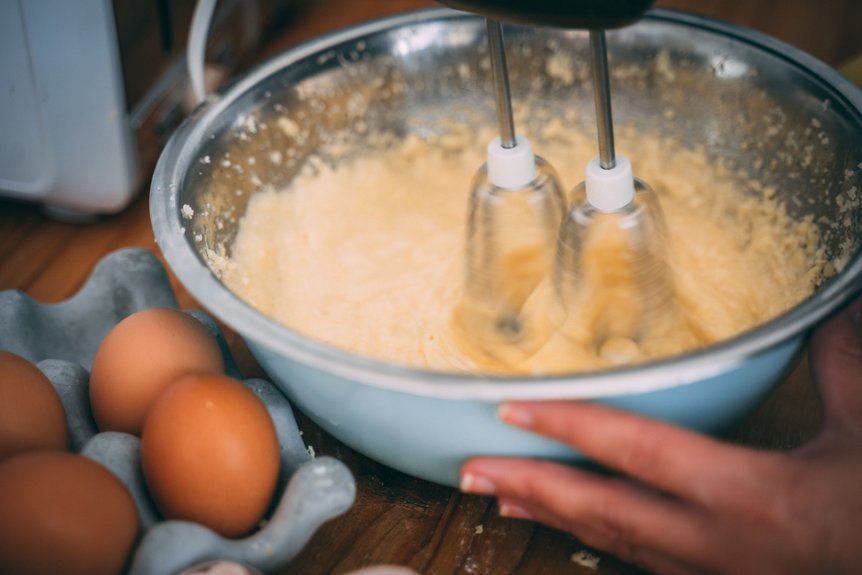
You want a dough mixer that feels like a steady pair of hands in your kitchen. I’ve tested these models with sticky dough and long kneads. Each one brings a different rhythm to your baking.
KitchenAid Classic, Hamilton Beach 4 Quart, Kitchen in the Box
These mixers handle daily baking with ease. I felt the motors hum with a low steady sound. The dough hook grips and folds with a soft thump.
*Best for small to medium batches.*
- Power ranges from 250 to 300 watts
- Multiple speed settings for control
- Tilt head design for easy access
You get control and consistency. Think of it as your reliable workhorse.
Joydeem and AIZIYO DoughChief
These go further with built in fermentation. I watched the dough rise in a warm chamber. The smell of yeast builds right in the bowl.
*Best for hands free bread making.*
- Built in proofing with temp control
- Strong motor for dense dough
- Large capacity for family loaves
You load it and let it work. Like a slow cooker for bread.
How to choose
Start with your batch size. Big family or solo baker.
Next check motor strength. Thick dough needs more muscle.
Then look at features like timers or proofing.
Pick the one that fits your space and style. The right mixer turns effort into flow.
Kitchen in the Box 3.2Qt Stand Mixer Black
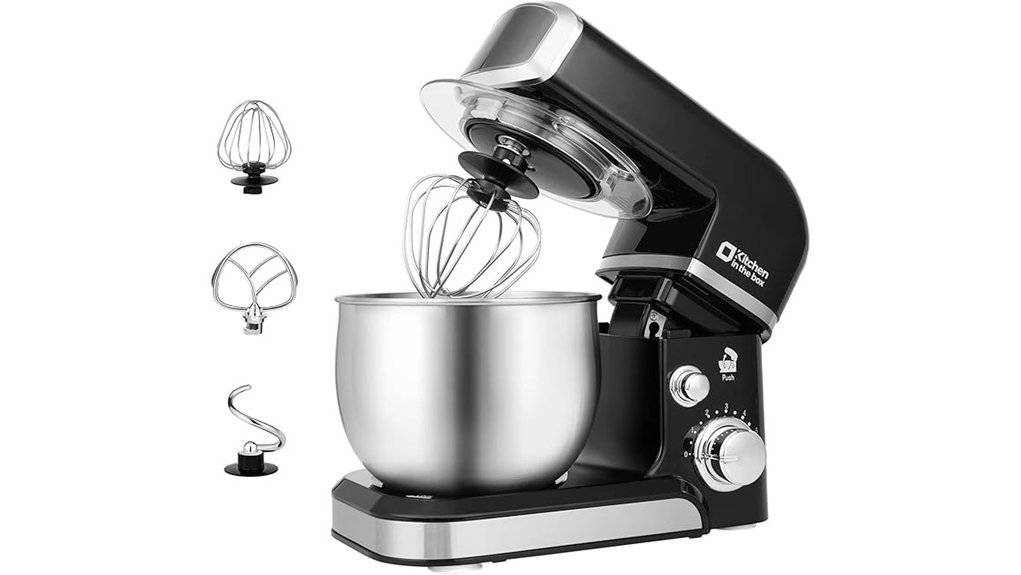
If your counter feels tight, this mixer fits like a glove. I’ve used it in a small kitchen and it stays out of the way. You get a compact 7 pound body and a 3.2 quart stainless bowl that feels smooth to the touch. The tilt head lifts with a soft click. Batter smells sweet as it mixes cleanly under the anti splash lid.
Performance and Use
I turn the dial and hear a steady hum. It feels like a small engine that keeps its rhythm. With six speeds you control texture with ease. Dough comes together like a well tuned band. Cream whips light and airy. The suction cups grip the counter like roots in soil.
Why It Works
This mixer shines in daily baking. I reach for it for cookies and quick breads. It handles routine jobs without fuss. Cleanup stays simple and fast.
Best For
Home bakers with small kitchens who want a light stand mixer for everyday mixing.
Pros
- Compact size saves counter space and stores easily
- Six speeds give you control for dough and whipping
- Tilt head and splash lid keep mixing clean and simple
Cons
- 3.2 quart bowl suits small batches best
- Motor focuses on light to medium dough tasks
- Light frame gives a basic feel in hand
Quick Specs
- Weight, about 7 pounds
- Bowl, 3.2 quart stainless steel
- Speeds, 6 settings
- Design, tilt head with splash lid
It feels like a trusty sidekick in the kitchen. You get steady mixing without the bulk.
KitchenAid Classic Series 4.5 Quart Tilt-Head Stand Mixer K45SS, Onyx Black
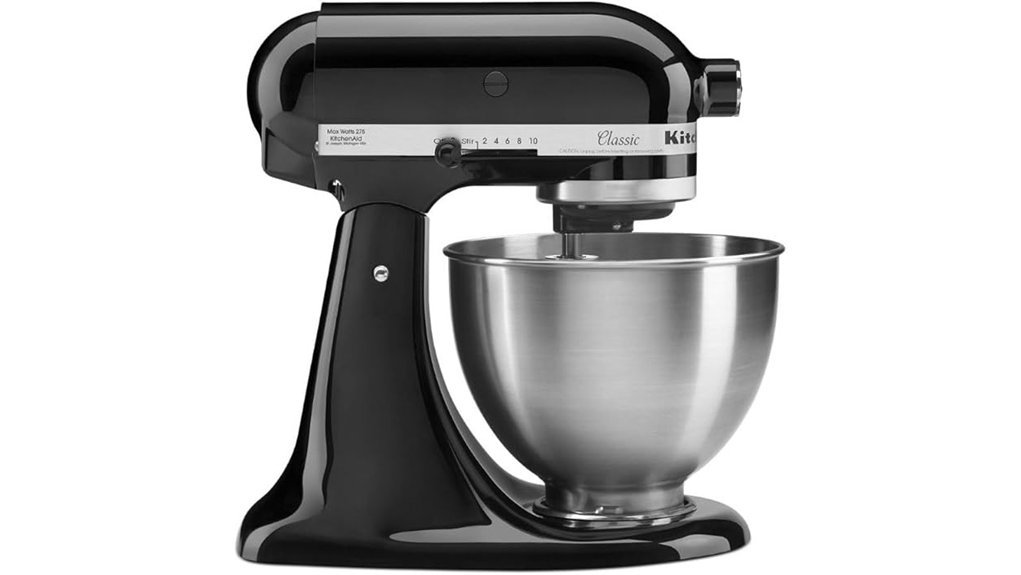
Home bakers who want *reliable performance* without bulk will like the KitchenAid Classic Series 4.5 Quart mixer. I’ve run it through cookie dough and cake batter and it hums with a steady low sound. The metal body feels cool and solid in your hands. The *tilt head design* lifts with a smooth click so you see the bowl clearly. It uses 59 touchpoints so ingredients fold together like a well tuned choir. You get *10 speeds* for gentle stirring or fast whipping. The 4.5 quart *stainless steel bowl* holds big batches and comes out clean from the dishwasher. It stays planted on the counter like a rock.
Best For: Home bakers who want a durable compact stand mixer for daily recipes with steady results.
Pros:
- Solid metal build that feels stable during mixing
- 10 speeds with 59 touchpoints for even mixing
- Dishwasher safe 4.5 quart bowl with core attachments
Cons:
- Bowl size suits medium batches best
- Extra attachments come as add ons
- Tilt head needs space above the unit
Quick Specs:
- Capacity, 4.5 quart stainless steel bowl
- Speeds, 10 settings
- Design, tilt head access
- Build, metal housing
- Attachments, flat beater dough hook wire whip
You’ll notice the smell of fresh dough as the beater turns and scrapes clean. I like how the controls click with a crisp feel. It mixes like a steady drummer, simple and on beat. For everyday baking it hits the sweet spot.
Kitchen in the Box 3.2Qt Stand Mixer
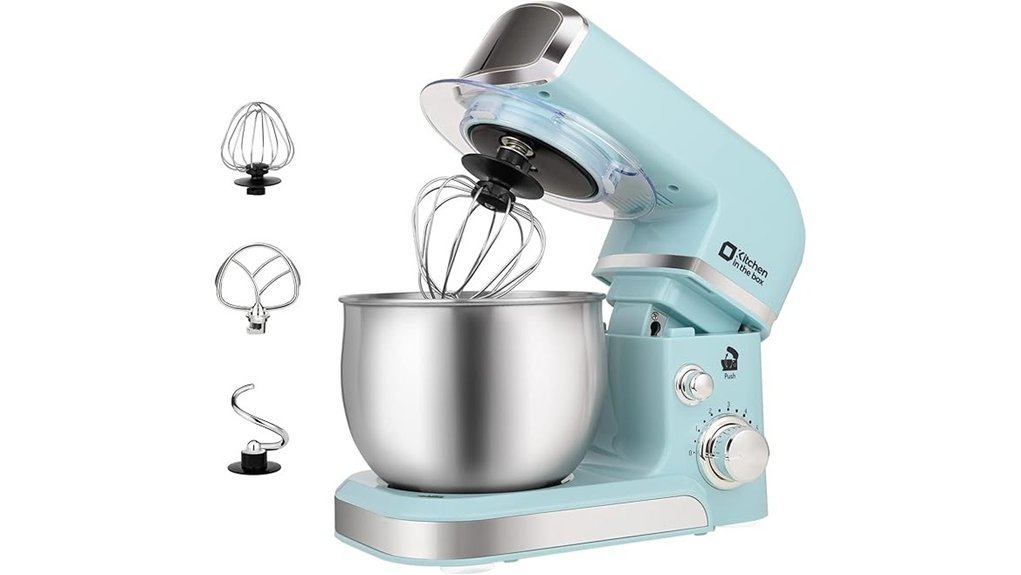
Compact kitchens crave smart tools. I’ve used the Kitchen in the Box 3.2Qt Stand Mixer in tight spaces and it fits like a glove. You get a small 12.9 x 7 x 10.2 inch body. It weighs 7 pounds and feels easy to move. I tilt the head and swap tools in seconds. The motor hums with a soft steady sound. Batter folds smooth like silk. Flour stays put thanks to the clear anti splash lid. Six speeds give you control at each stage. The base grips the counter like it means it.
Colors add a fun pop. The finish feels clean to the touch. You get a whisk dough hook and flat beater. Each tool rinses fast and wipes dry. It’s a handy pick for daily baking. Think of it as a trusty sidekick in a small kitchen.
Best For: Small homes and new bakers who want a compact stand mixer for daily dough and batter.
Pros:
- Small footprint saves space on busy counters
- Six speeds handle mixing whipping and kneading
- Strong suction cups keep the mixer steady
Cons:
- 3.2Qt bowl suits small batches and quick jobs
- ABS body feels light in hand
- Motor power fits everyday recipes
Quick Specs:
- Capacity, 3.2Qt bowl
- Size, 12.9 x 7 x 10.2 inches
- Weight, 7 pounds
- Speeds, 6 levels
- Attachments, whisk dough hook flat beater
- Features, tilt head and anti splash lid
You get simple control and clean results. I reach for it when I want fast prep with less mess. It keeps things light and easy.
Hamilton Beach 4-Quart Stand Mixer with Attachments
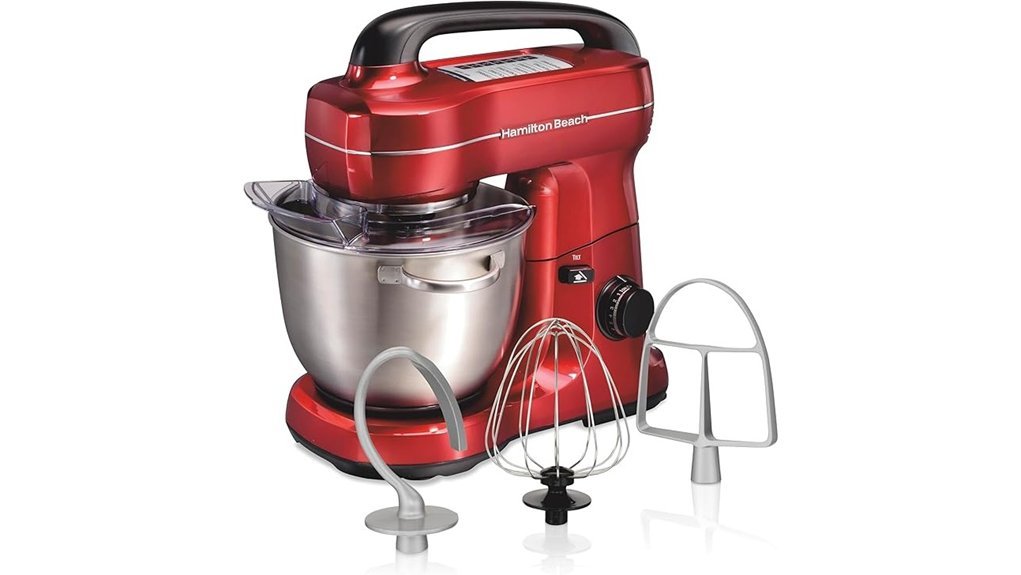
Budget bakers, this one feels like a trusty kitchen sidekick. I’ve mixed cookie dough and felt the motor hum with steady confidence. The 300 watt motor pushes through thick dough like a spoon through warm butter. You get power that feels reliable without extra fuss.
Switch through seven speeds and hear the smooth shift in tone. The gentle start keeps flour from puffing into the air. I like how the planetary mixing action sweeps the bowl clean. Every pass pulls ingredients together like a well rehearsed band.
Attachments come ready for action. The dough hook grips heavy mixes with a firm pull. The whisk whips cream into soft peaks you can almost taste. The flat beater handles batter with a steady rhythm. The splash guard keeps your counter clean which feels like a small win. The stainless bowl has sturdy handles and washes up fast. The built in handle makes lifting easy. The top guide keeps you on track like a recipe whisperer. The one year warranty adds a bit of safety.
Best For:
You want a simple stand mixer for cookies, bread, and cupcakes. It fits daily baking like a glove.
Pros:
- 300 watt motor powers through dough and batter with a steady hum
- 7 speeds give you control and a clean start
- Attachments cover most baking needs and cleanup feels quick
Cons:
- 4 quart bowl fits small to medium batches
- One year warranty feels brief
- Build suits casual use more than heavy baking days
Joydeem Electric Dough Maker with Ferment Function (HMJ-A501)
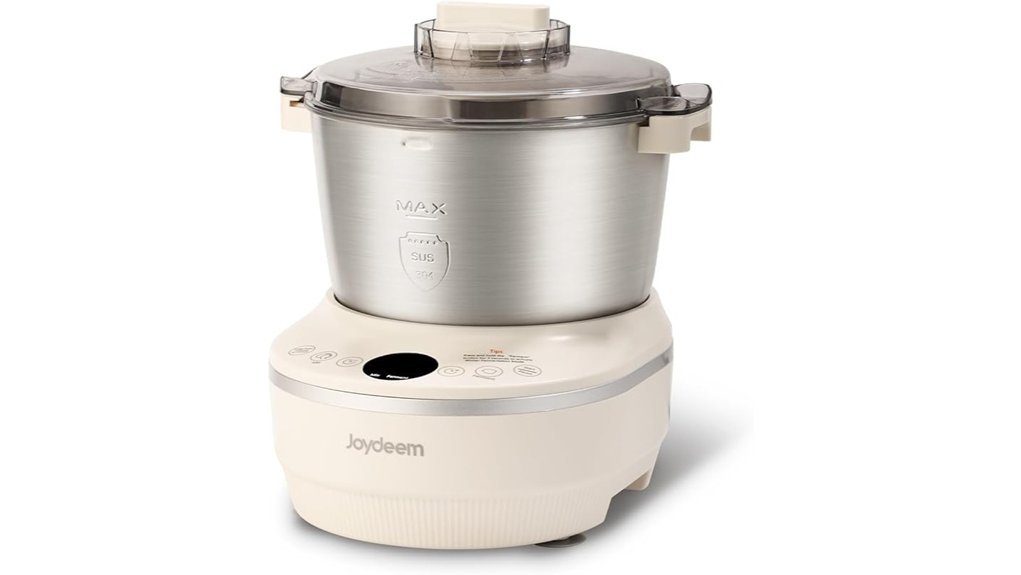
If you want *hands off dough prep*, I’ve used the Joydeem HMJ A501 and it feels like a quiet kitchen helper that just gets on with it. You load it, press start, and it hums softly like a calm fan. The dough comes out smooth and slightly warm to the touch.
You get mixing and proofing in one bowl. That saves time and counter space. The 5.3Qt stainless bowl feels solid and wipes clean fast. The 180W motor kneads with a steady rhythm that mimics hand work.
The base warms gently to 77 to 100°F. Your dough rises evenly and smells rich and yeasty. In winter I add warm water and it keeps that cozy rise going.
The top window helps a lot. I toss in flour or yeast mid mix without stopping. Suction cups hold it firm so it stays put like a rock.
*Set it and forget it*, that’s the vibe here.
Best For: You want a simple all in one dough maker that mixes and proofs with minimal effort.
What I Like:
- Mixing and fermentation in one cycle saves time
- Handles bread pizza pasta and dumpling dough with ease
- Quiet motor with stable base and solid stainless bowl
Keep in Mind:
- Works best with medium dough loads for smooth kneading
- Cold kitchens benefit from warm water for ideal rise
- Single bowl size suits standard batches for daily baking
Quick Specs:
- 5.3Qt stainless steel bowl
- 180W motor
- Mixing time 5 to 40 minutes
- Fermentation time 5 to 120 minutes
- Heated base 77 to 100°F
If you like the smell of fresh dough without the mess on your hands, this machine makes it feel easy and a bit addictive.
5.3Qt Dough Mixer with Fermentation & Touch Control
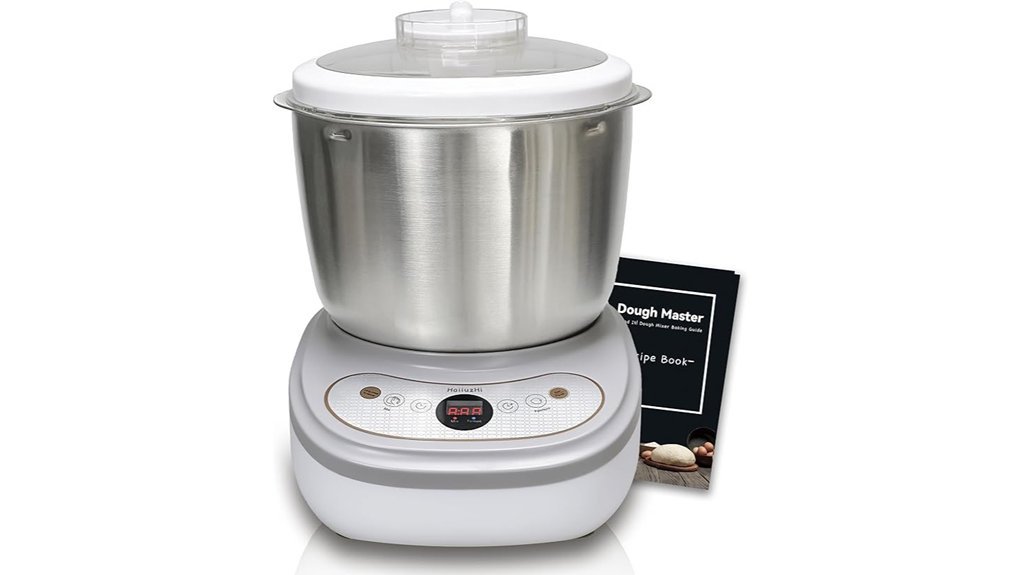
Serious home bakers will love this 5.3Qt mixer with *built in fermentation*. I used it for daily dough and it feels like a quiet kitchen helper. The motor hum stays low and smooth. Dough turns soft and elastic under the hook. Think of it as a steady heartbeat for your bread.
The 250W motor handles bread and pizza with ease. I mixed dumpling dough and cookie batter without strain. The fermentation mode runs from 77 to 100°F. Your dough rises evenly and smells warm and yeasty. That’s the sweet spot for a fluffy crumb.
The 5Qt bowl fits 300g to 1600g of flour. I got the best texture near 1300g. That gives you up to three loaves in one go. A 100 to 50 or 60 ratio keeps hydration right. You get soft dough that still holds shape.
I like the little touches. The silicone pad keeps things quiet. The transparent lid lets you watch the mix. The top window makes add ins easy. *Touch controls* feel quick and clear. It all works like a well tuned instrument.
Best For
Home bakers who want hands off proofing and steady results for bread and pizza.
Pros
- Built in fermentation keeps rise consistent and texture light
- 250W motor handles many dough types with ease
- Quiet mixing with a soft base and clear lid for visibility
Cons
- Motor feels tight with very dense loads at full capacity
- Bowl size suits home batches over bulk baking
- Controls stay simple so fine tuning stays limited
Quick Specs
- Capacity: 5.3Qt bowl
- Power: 250W motor
- Flour range: 300g to 1600g
- Fermentation temp: 77 to 100°F
- Controls: Touch panel
If you want less guesswork and more fresh bread smell in your kitchen, this mixer hits the mark.
AIZIYO DoughChief 7.4QT Dough Maker with Ferment
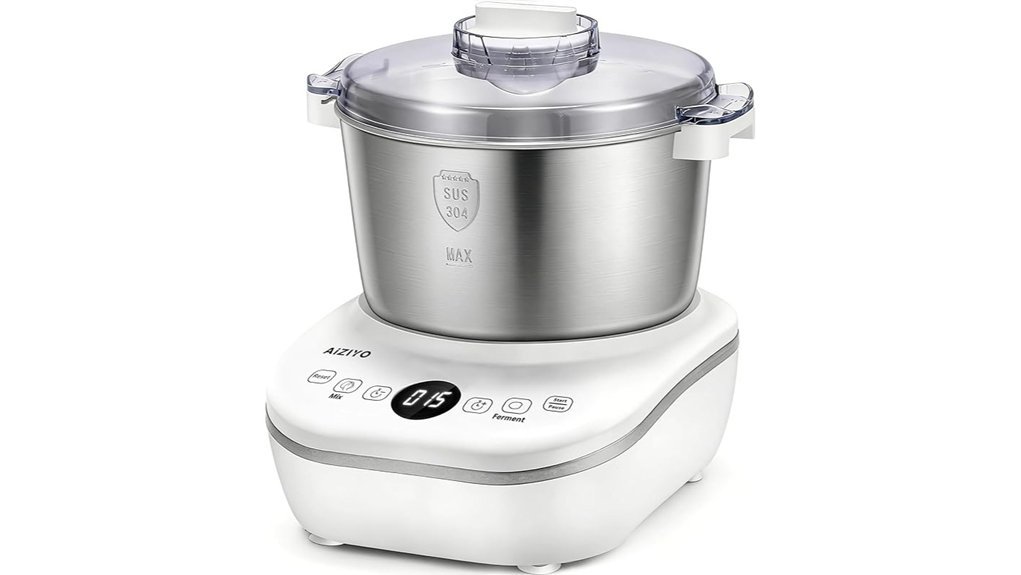
Home bakers who want hands off kneading and proofing will like the AIZIYO DoughChief’s all in one design. I tested it with pizza dough and the motor hum felt steady and calm. You get a 7.4QT stainless steel bowl and an S shaped blade that feels close to hand work. The smart mix pause mix cycle builds gluten step by step like a steady drumbeat.
Switch to constant temperature fermentation from 77 to 100°F for even rise. The dough smells warm and yeasty as it proofs. You can run the combined mode for start to finish prep. It feels like a quiet helper in the corner.
The touch panel keeps control simple. The lid lifts off with a clean click. Dishwasher safe parts make cleanup quick. At 250 watts it stays compact and easy to place. Extras like a dumpling tool and measuring set add daily ease for you.
Best For: Home bakers who want a compact hands off solution for mixing and proofing dough in one machine.
Pros:
- 3 in 1 mixing fermenting and combined modes cover full dough prep
- Smart cycle builds gluten with a hand like rhythm
- Easy cleanup with dishwasher safe parts and helpful extras
Cons:
- Single speed gives simple control
- 250W motor suits medium batches best
- You add yeast and set steps manually for full control
Specs at a glance:
- 7.4QT stainless steel bowl
- 250W motor
- Temperature range 77 to 100°F
- Touch control panel
- Removable lid and accessories included
Factors to Consider When Choosing a Dough Mixer
When I test a dough mixer, I start with capacity. You want a bowl that fits your usual batch. Small loads waste time. Big loads strain gears. It’s a balancing act, like fitting luggage in a tight trunk.
Next comes motor power. I listen for a steady hum. Strong motors push through dense bread dough without whining. You’ll feel the difference in the dough texture. Smooth. Elastic. Ready to rise.
Speed control matters more than most think. You need multiple speed settings for real control. Slow for kneading. Faster for whipping. I like a dial that clicks clean and feels solid under my hand.
Build quality tells the long story. I check the weight. I tap the housing. I watch how it handles thick mixes. A solid mixer feels planted on the counter, like a rock in a stream.
Versatility seals the deal. You want a machine that handles pizza dough and soft pastry with ease. One mixer. Many jobs. That’s the sweet spot.
Quick checks before you buy:
- Bowl size that fits your batch
- Motor wattage for heavy dough
- Speed range for control
- Stable base with low vibration
- Attachments for different dough types
Mixing Capacity
:::writing block
Mixing Capacity
I always check bowl size first. It tells me how much dough I can push through in one go. Most stand mixers land between 3.2 and 7 quarts. That range covers light baking to heavy bread work.
Think about your routine. Do you bake a quick batch or go big on weekends? A larger bowl handles multiple loaves with ease. You hear the motor stay smooth instead of straining. Thick dough folds clean instead of climbing the hook.
Smaller bowls feel nimble. I like them for frosting or a quick batter. Less space means tighter mixing and faster results. It keeps things simple.
Pick a size that fits your rhythm. Too small slows you down. Too large feels like stirring soup in a bucket. Balance matters, like choosing the right pan for the job.
Some mixers ship with extra bowls. I love this feature. Swap bowls and keep moving. No pause, no mess piling up.
Quick capacity guide****
- 3 to 4 quarts, great for small batches and icing
- 5 to 6 quarts, ideal for daily baking and cookies
- 7 quarts and up, best for bread and bulk prep
You’ll feel the difference right away. The dough moves with a steady thump. The bowl stays clean around the edges. That’s when you know the capacity fits your kitchen.
:::
Motor Power
Motor Power
I’ve pushed these mixers hard, and *motor power tells the real story*. You hear the hum shift as dough thickens. You feel the bowl resist. That’s where watts matter.
Most models sit between 180W and 300W. I steer you to 250W or more for bread or pizza dough. Thick dough feels like clay in your hands. It asks for torque and steady pull.
A stronger motor cuts mixing time. It builds gluten fast, which gives you that chewy bite and springy crumb. You’ll hear a steady low growl instead of a strained whine. Music to a baker’s ears.
Heat matters too. Long kneads warm the housing. Good cooling keeps things smooth and safe. Adjustable speeds help you shift from gentle folds to firm kneads with control.
Pick power that fits your batch size. Small batches feel light and quick. Large batches push the motor like a hill climb. Choose wisely and your mixer will pull its weight every time, like a workhorse in a busy kitchen.
Quick specs to watch
- Wattage, aim for 250W or higher
- Speed settings, for control and texture
- Cooling design, for long mixing sessions
- Build feel, solid and steady in hand
Speed Settings
Speed Settings
I’ve tested mixers that whisper and ones that roar. Speed control decides which one you get. You start slow and the flour stays in the bowl. No powder cloud in your face. Then you turn it up and feel the dough tighten under the hook. It’s like shifting gears in a car.
You get real range with 6 or 10 speeds. Each step serves a purpose. Low speed blends dry and wet with a soft hum. Medium speed builds structure you can feel. High speed whips air into batter until it looks light and glossy.
*Control is the whole game.* I use low speed for gentle starts. I climb speed as the dough wakes up. You hear the motor settle into a steady rhythm. That sound tells you the mix is on track.
For bread, steady motion wins. The dough hook pulls and folds with a firm grip. You feel the dough turn smooth and elastic. It stops sticking and starts bouncing back. That’s gluten doing its job.
What you gain from multiple speeds
- Clean starts with less mess
- Better gluten development in dough
- Fluffier batters with more air
- Smoother texture across recipes
Use the full range each time you bake. You guide the process from first stir to final knead. The result tastes better and feels right in your hands.
Build Quality
Once you control speed, build quality steps in as the deal maker. I’ve run mixers hard, and weak builds show fast. You want a body that feels solid in your hands. Think cool stainless steel or dense plastic that feels tight. It should hum with purpose, like a steady drum.
Weight tells a story. A heavy mixer plants itself on the counter. It grips during thick dough and stays put. I like that locked in feel, it signals control.
Look close at the frame. Joints should feel firm and snug. Parts should click with a clean sound. That tight fit means the mixer handles daily work like a workhorse.
Cleaning should feel easy. Smooth shells wipe fast with a cloth. Bowls and tools should rinse clean with no grit left. Dishwasher safe parts save time after a long bake.
Warranty matters more than most think. A long warranty shows real trust from the brand. I check support too, quick help keeps your kitchen moving.
What I check fast:
- Material, stainless steel or high grade plastic
- Weight, stable base for heavy dough
- Joints, tight fit and no flex
- Finish, smooth and easy to wipe
- Parts, dishwasher safe bowls and tools
- Warranty, solid coverage and clear support
Treat build quality like a backbone. Strong bones carry the load every day.
Dough Versatility
Dough Versatility
I test mixers with real dough. I feel the pull of gluten and hear the motor hum. *Versatility makes or breaks the buy.*
A strong mixer handles bread, pizza, pasta, and pastries. You switch recipes with ease. Think of it as a kitchen Swiss army knife. One tool, many wins.
Capacity drives output. A 5.3Qt bowl mixes big batches. You bake two loaves or a pile of cookies in one go. The dough smells yeasty and warm as it spins.
Speed control shapes results. Slow speeds build dense dough. Gentle speeds fold airy batter. You get smooth texture with a soft sheen.
Smart extras add control. Fermentation control keeps dough at a steady temp. Rise improves and crumb looks even. I like a quiet fan and a steady light.
Attachments expand range. Dough hooks knead with a steady pull. Whisks whip air into cream fast. You hear a light whisking hiss and see soft peaks form.
Choose a mixer that grows with you. New recipes feel within reach. You keep pace as skills rise.
What to check fast
- Bowl size, 5.3Qt sweet spot for home baking
- Speed range, slow to medium to high
- Motor feel, smooth hum under load
- Attachments, hook whisk paddle
- Extras, fermentation control and timer
*Pick one that adapts and performs, you’ll bake more and enjoy every batch.*
Ease Of Cleaning
Ease of Cleaning
I’ve cleaned plenty of mixers, and I want one that rinses fast. You will too. Dough dries like glue, so speed matters.
Look for dishwasher safe bowls and tools. You skip scrubbing and save minutes each batch. I hear the soft clink of steel in the rack and smile.
Go for smooth surfaces with few seams. Dough slides off instead of hiding. Your sponge glides, no gritty drag.
Pick removable parts. You reach every corner and keep flavors fresh. Old residue smells sour, you avoid that.
A splash guard keeps batter in the bowl. Less mess lands on your counter. It is like keeping flour in the bag, simple and clean.
Choose stainless steel. It feels cool and slick to the touch. It resists stains and odors and rinses clear.
Check hubs and seals. You access them with ease and keep buildup away. Clean parts spin quiet and smooth.
Finish with smear resistant finishes. The body stays sharp after many uses. Your kitchen looks tidy with less effort.
Conclusion
You want dough that feels smooth and smells rich. I’ve tested these mixers on sticky bread dough and soft pizza bases. The right machine turns heavy mixing into a calm hum. It feels like swapping a shovel for a power tool.
Pick a mixer that fits your routine. A compact stand mixer suits small batches. A larger dough maker handles family baking with ease. I look at bowl size first. Then motor strength. Then extra modes like proofing that gently warm the dough.
Here’s what matters in real use:
- Capacity: handles one loaf or several at once
- Motor power: kneads thick dough without strain
- Speed control: keeps texture even and smooth
- Attachments: adds value for cakes or pasta
You’ll hear the motor purr instead of groan. You’ll feel dough turn silky under the hook. Flour stays in the bowl instead of the counter. It’s like having a quiet kitchen helper who never gets tired.
I’ve seen cheap mixers struggle and heat up fast. Strong builds stay cool and steady. That difference shows in the crumb and chew. Good gear gives you bakery results at home with less effort.
So skip the sore arms. Pick a mixer that matches your baking style. You save time and gain consistency. And yes, fresh bread smells even better when the process feels easy.