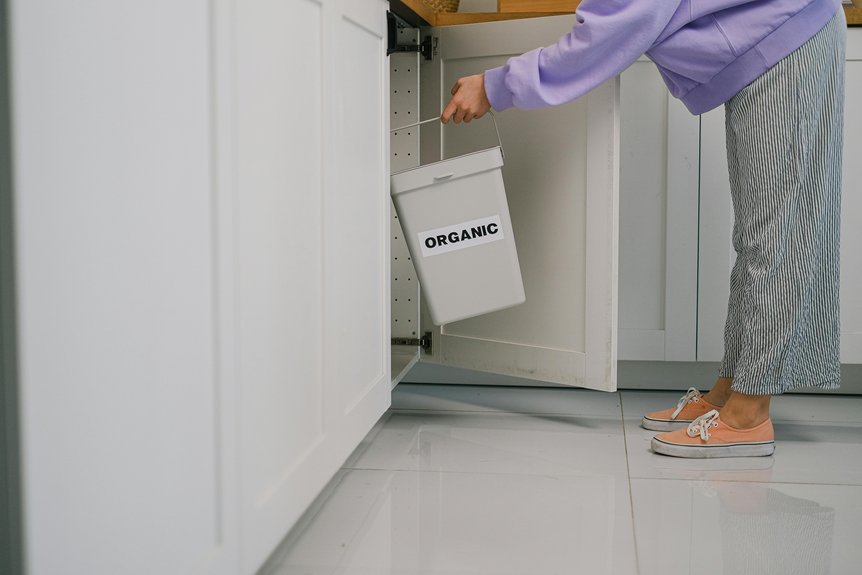
You want a compost bin that keeps your kitchen fresh. I’ve tested plenty, and the winners share a few traits. *Tight seals matter.* Odor stays locked in. *Charcoal filters help.* They pull smells from the air like a sponge.
Countertop bins shine in small kitchens. I like stainless steel for a cool touch and easy wipe down. The lid closes with a soft thud, and the smell stays faint. You swap the filter every few months, and the air stays clean. It’s like putting a lid on trouble.
Bigger loads need more muscle. Dual chamber tumblers speed up the rot. You spin them, and scraps mix with air. That airflow feeds good microbes, so smells stay low. Fresh scraps stay separate from finished compost, which keeps things tidy.
Outdoor aerated bins also pull their weight. Vents move air through the pile, and heat builds fast. Faster breakdown means less stink. Think of it as turning waste into soil on a fast track.
Pick the right size for your habits. A small bin fits daily scraps. A large tumbler handles yard waste. I look for solid latches and smooth hinges. Easy turns keep you consistent, and that keeps odors in check.
Here’s what I check before I buy:
- Seal quality, lid closes tight with no wobble
- Filter type, charcoal works best for smell control
- Material, stainless steel resists stains and holds up
- Capacity, matches your weekly food scrap volume
- Ease of use, handles turn smoothly with little effort
Choose well, and your kitchen smells clean every day.
VIVOSUN Dual Rotating Outdoor Compost Bin 43 Gallon
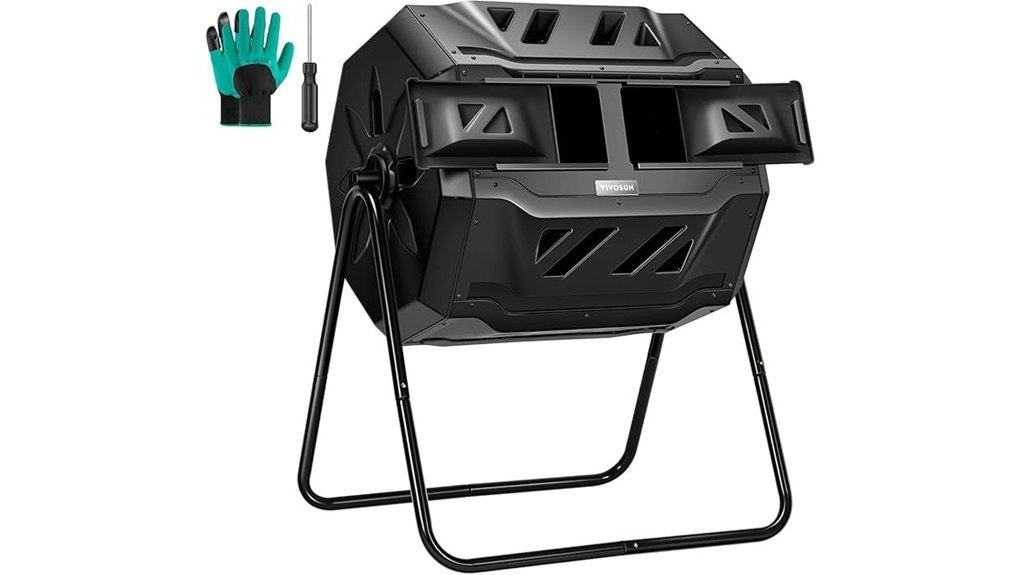
If you want a *low effort compost system* that keeps pace all year, I’ve used this VIVOSUN tumbler and it delivers. You load scraps today. You spin tomorrow. Like a set it and forget it slow cooker.
You get a 43 gallon dual chamber bin. One side cures rich dark compost. The other takes fresh peels and grass. That flow keeps things moving with zero downtime.
The octagonal drum spins a full 360 degrees. I felt the deep fins grab and break clumps fast. You hear a soft thud as material tumbles. Air moves through vents and feeds microbes that love oxygen.
I never dig. I never stir by hand. The metal frame feels solid in the yard. The PP plastic shell handles rain and sun with ease. At 21 pounds it feels light in hand and steady in use. The included clawed gloves grip wet scraps and keep smells off your skin.
Best For: You want steady compost with easy turning and simple upkeep.
Pros:
- Dual chambers keep batches flowing with zero wait time
- Smooth 360 spin mixes fast and boosts breakdown
- Vents feed air and help create rich earthy compost
Cons:
- 43 gallons fits small to medium homes
- Light frame benefits from a firm base in windy spots
- Setup takes time and patience on first build
Quick Specs:
- Capacity, 43 gallons
- Material, PP plastic drum with steel frame
- Rotation, full 360 tumble
- Aeration, built in air vents
- Chambers, two separate sides
Bottom line. You spin it like a barrel and let nature do the rest. It turns kitchen scraps into soil that smells like a forest floor.
EPICA Countertop Compost Bin 1.3 Gallon Stainless Steel
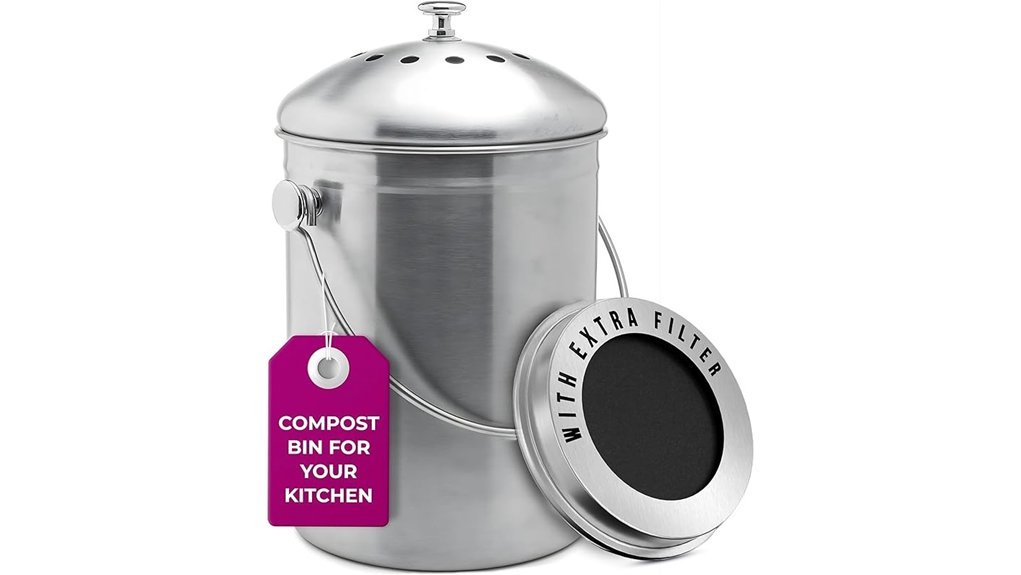
I’ve used this bin in a tight kitchen, and it fits like a glove. The 1.3 gallon size keeps things tidy and within reach. You set it on the counter, and it stays out of your way.
The stainless steel body feels cool and smooth to the touch. It wipes clean fast after daily scraps. At 7.16 inches wide and 11 inches tall, it slips into small spaces with ease.
Odor control stands out right away. The airtight lid traps smells like a sealed jar. The charcoal filter keeps the air fresh, even after a few days of scraps. No sour whiff when you walk by.
I like the one piece build. It holds up well with wet peels and coffee grounds. No seams means fewer places for grime to hide. It feels solid in hand and quiet on the counter.
Cleaning stays simple. Food slides off the inner wall with a quick rinse. The surface resists scratches, so it keeps that clean steel look longer.
It has earned praise from Bon Appetit and Forbes. After using it, I get why. It delivers odor free composting in a small and clean package.
Best For:
Small kitchen cooks who want a compact bin that keeps smells in check.
Pros:
- Stainless steel build feels sturdy and smooth
- Airtight lid locks in smells like a jar
- Compact shape saves precious counter space
Cons:
- Small size fills up fast with heavy use
- Charcoal filters need regular swaps
- Lid sits snug, though it lacks a firm lock
45 Gallon Dual Chamber Compost Tumbler Bin
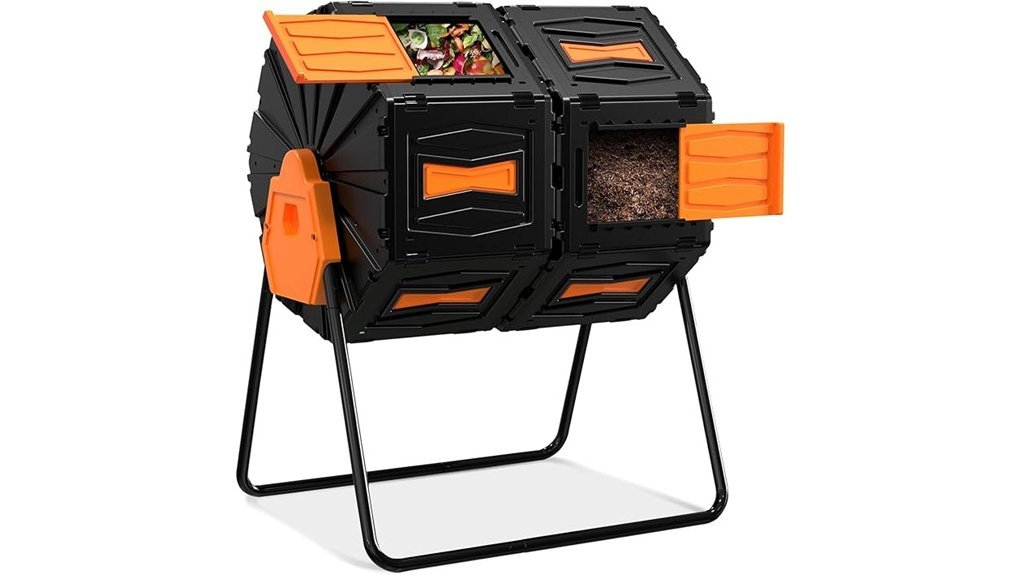
Gardeners who want *continuous composting cycles* will like this 45 gallon dual chamber tumbler. I’ve used it through wet scraps and dry leaves. It keeps things moving like a well oiled wheel. You get two 22.5 gallon chambers. You fill one side while the other cooks down into dark soil.
The doors feel solid in your hands. The plastic has a faint warm smell in the sun. Deep fins inside grab the mix as you turn. Air holes feed oxygen so microbes stay active. I spin it five or six times every few days. You hear a soft tumble as scraps break apart.
The frame feels steady on grass or soil. It stays planted while you rotate the drum. Polypropylene panels resist sun fade. Steel parts fight rust after rain. Setup took me about 30 minutes with basic tools.
Best For: Home gardeners who want steady compost flow with simple effort.
Pros:
- Dual chambers keep batches moving so you always have fresh compost
- Aeration holes and fins speed breakdown and boost heat inside
- Thick plastic and coated steel handle sun and moisture well
Cons:
- You need to turn it often for best results
- Setup takes some time before first use
- Capacity fits small to medium yards best, larger spaces need more volume
Dual Chamber Compost Tumbler 43 Gallon with Gloves
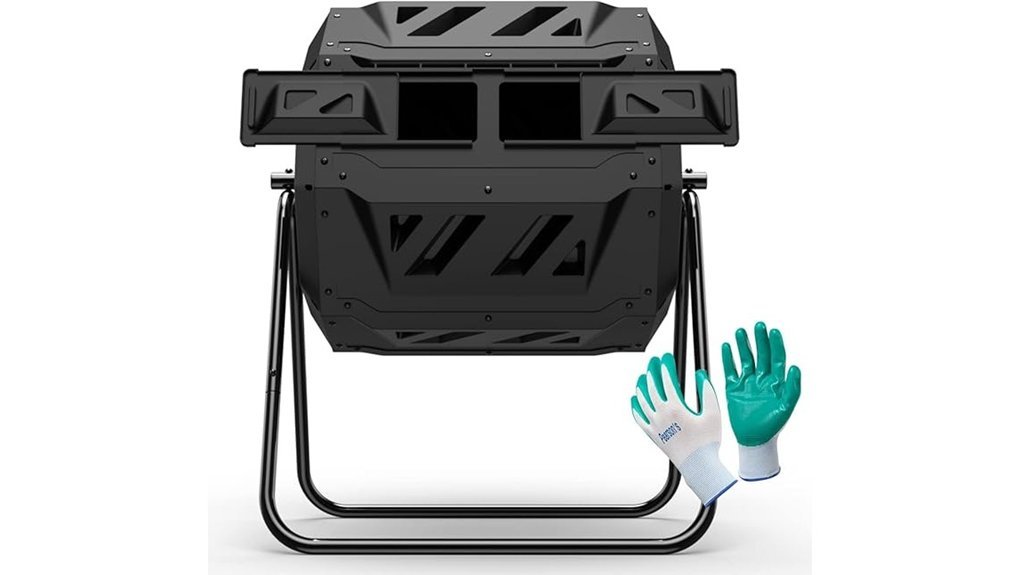
For busy homes I trust this dual chamber 43 gallon tumbler to keep things moving. You fill one side while the other cures. No downtime. The drum turns with a soft plastic scrape that tells you air is flowing. Heat builds fast and scraps turn earthy and sweet in a few weeks. It feels like a slow cooker for yard waste.
The frame uses thick plastic and galvanized steel. It feels solid in hand. The 21 pound weight keeps spins easy for you. Slide doors open with a firm click. You scoop dark compost without a mess. The walls hold warmth so microbes stay active. The included latex gloves feel smooth and keep smells off your skin. The oval footprint fits tight spaces with ease.
Best For: Busy households or new composters who want a simple system that keeps output steady and fast.
Pros:
- Dual chambers keep compost flowing all year
- Rotating drum feeds air for quick breakdown
- Light build makes turning easy for you
- Slide doors give clean access to finished compost
- Gloves add clean handling right out of the box
Cons:
- Capacity suits small to mid homes best
- Plastic parts age under strong sun
- Regular turns keep the mix hot and active
Specs at a glance:
- Capacity, 43 gallons
- Chambers, two
- Frame, plastic and galvanized steel
- Weight, 21 pounds
- Access, sliding doors
- Extras, latex gloves included
If you want steady compost with little fuss, this unit keeps the pile humming like a well tuned drum.
Werph 43 Gallon Dual Chamber Compost Tumbler
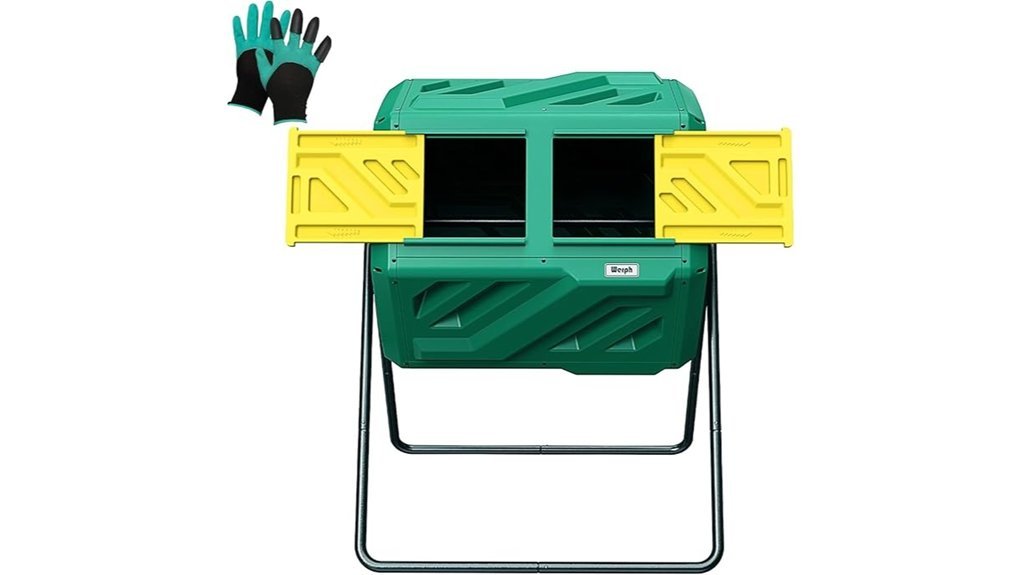
Busy homes need speed. I’ve used the Werph 43 Gallon *Dual Chamber Compost Tumbler* and it keeps scraps moving like a well oiled wheel. You load one side while the other side cures. That split flow cuts wait time.
The *360 degree tumbling* feels smooth in hand. You hear a soft shuffle as scraps mix. Deep fins lift and drop material so you skip hand turning. Your mix stays airy and active.
Setup feels quick. I finished it with 34 screws and pre built panels. The *43 gallon capacity* fits daily kitchen scraps and yard clippings. The sliding door opens with a firm click. Gloves come in the box so your hands stay clean. The BPA free plastic feels solid in rain and sun. I saw dark earthy compost in four to six weeks. It smells like forest soil after rain.
*Best For:* You want fast compost with low effort. You run a busy kitchen or a small garden.
*Pros:*
- Dual chambers keep fresh and curing material separate for faster cycles
- 360 degree spin mixes evenly with deep fins
- Quick assembly with simple parts and 34 screws
*Cons:*
- Capacity suits small to medium homes best
- Door opening feels tight with bulky scraps
- Plastic build feels lighter than metal units
Hourleey 43 Gallon Dual Chamber Tumbling Compost Bin
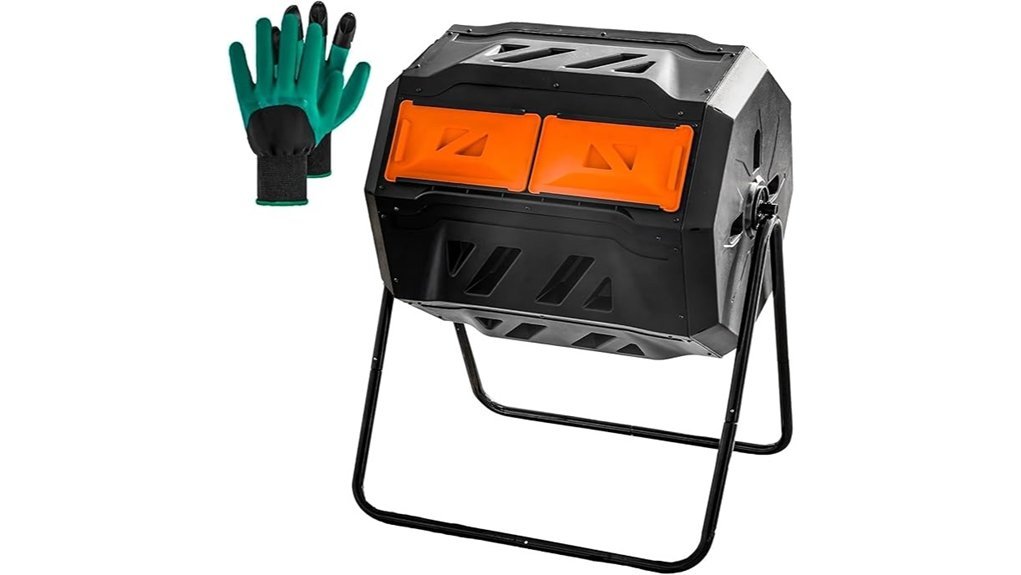
A dual chamber design keeps your compost moving like a well oiled machine. I load one side with fresh scraps. The other side cures into dark earthy compost that smells like a forest floor. You get a steady flow with zero downtime feel.
The 43 gallon capacity suits a busy home kitchen. I spin the drum and hear a soft thump as scraps mix. Deep fins grab material and flip it fast. The 360 degree tumble blends greens and browns with ease. Air holes pull in oxygen and push out that sour smell. Your pile stays fresh and active.
Large sliding doors feel smooth in hand. I add peels in seconds. I scoop out finished compost without a mess. The metal frame feels solid on uneven ground. The plastic shell stands up to sun and rain. It holds its shape season after season. The 30 day return adds peace of mind.
Best For: You want steady compost with easy daily use. Think small yards and kitchen scraps on repeat.
Pros:
- Dual chambers keep batches cycling with zero wait
- Smooth spinning drum mixes fast and feels balanced
- Good airflow cuts odor and speeds breakdown
Cons:
- Capacity fits medium loads more than big yard jobs
- Plastic shell shows wear with heavy sun exposure
- Setup takes time and patience at first use
Miracle-Gro Dual Chamber Compost Tumbler 55.4 Gallon
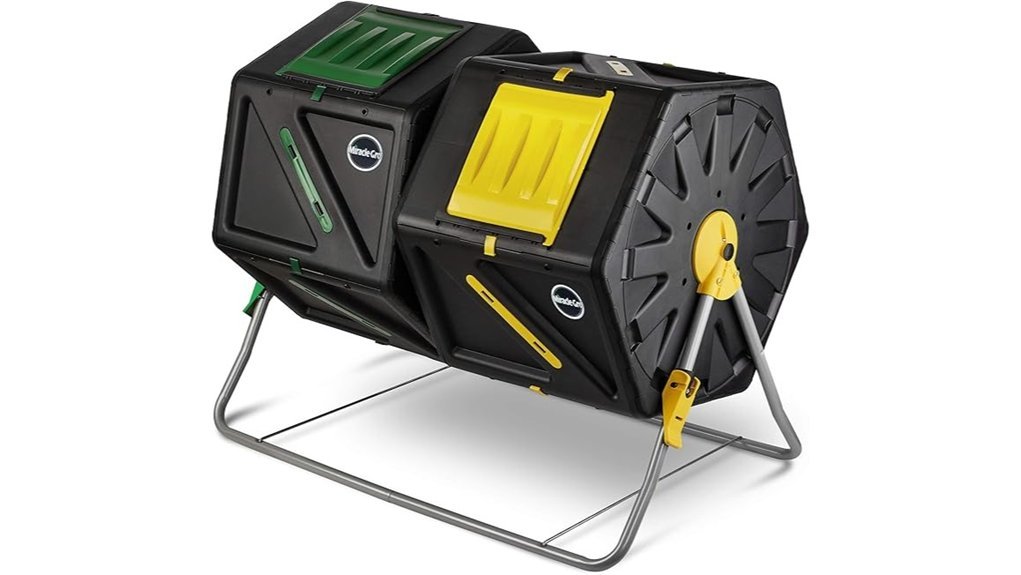
Gardeners who want speed with less effort will like this dual chamber tumbler. I used it through a full season and saw steady results. You get 55.4 gallons split into two equal sides. One side takes fresh scraps. The other side cures into dark crumbly compost. Think of it like a slow cooker for your yard.
The hex drum grips material well and mixes with a soft thump. The alloy steel frame feels solid in hand. The plastic feels smooth and holds up in sun and rain. I spun it every few days and heard a dull tumble that told me it worked. The seals keep smells low and pests out. You get finished compost in about four to six weeks with a good mix.
Loading feels easy and clean. The doors open wide so scraps slide in. Finished compost pours out with a rich earthy smell. Your routine stays simple and steady.
Best For: You want a low effort compost system that runs all season with two chambers.
Pros:
- Dual chambers keep one side curing while you fill the other
- Fast compost in about 4 to 6 weeks with light turning
- Solid frame and weather safe plastic with tight seals
Cons:
- Capacity feels small for big yards or heavy leaf loads
- Full drum feels heavy during spins
- Setup takes time and a bit of patience
Hourleey 43-Gallon Dual Chamber Tumbling Compost Bin
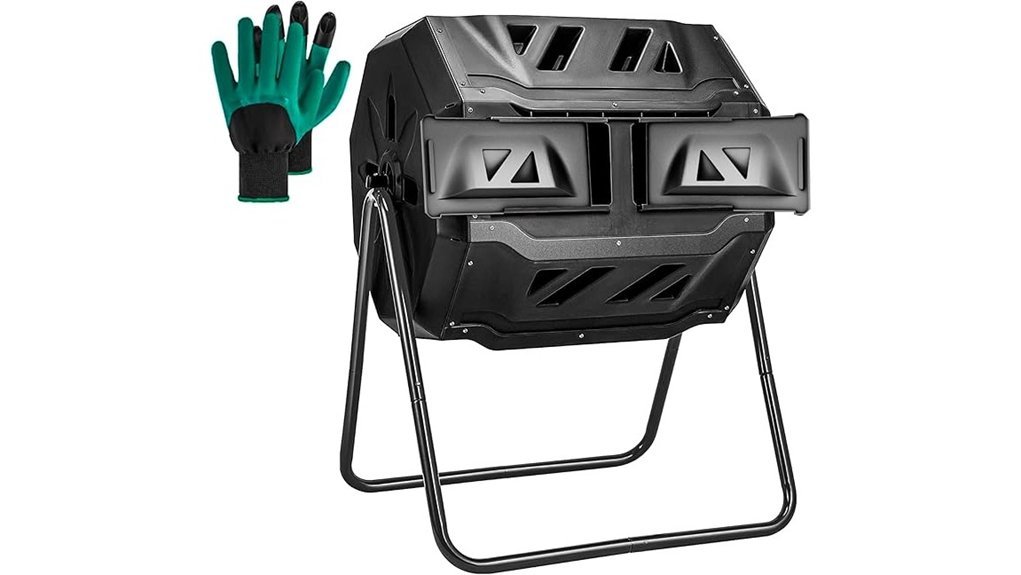
The Hourleey 43 Gallon Dual Chamber Tumbling Compost Bin speeds things up right away. I spun it on day one and heard scraps tumble with a soft thud. It felt like turning a barrel of soil gold.
You get two chambers for a steady cycle. I filled one side with kitchen scraps and yard waste. The other side cured into dark crumbly compost with an earthy smell. That rhythm keeps your pile moving like clockwork.
The *360° tumbling design* saves your back. I gave it a few turns and the mix blended fast. No fork needed. No digging in wet scraps.
Airflow matters and this bin gets it right. The aeration holes pull in fresh air with each spin. Deep fins break clumps apart so heat builds inside. You can feel the warmth when you open the door.
Build quality holds up outside. The frame feels solid in hand. The plastic panels handle sun and rain with ease. Doors slide open smooth and keep your hands clean.
Assembly took me about an hour. Parts lined up well and the instructions made sense. A second set of hands helps.
Best For
Home gardeners who want fast compost with less effort. Great for small yards and steady kitchen waste. Think of it as a compost treadmill that keeps moving.
Pros
- Dual chambers keep batches cycling all year
- Tumbling action mixes scraps fast with low effort
- Aeration system heats the pile and speeds breakdown
Cons
- Setup takes some time and patience
- Plastic panels show wear after long sun exposure
- Capacity suits small to medium households
Maygrove 53-Gallon Dual Chamber Compost Tumbler
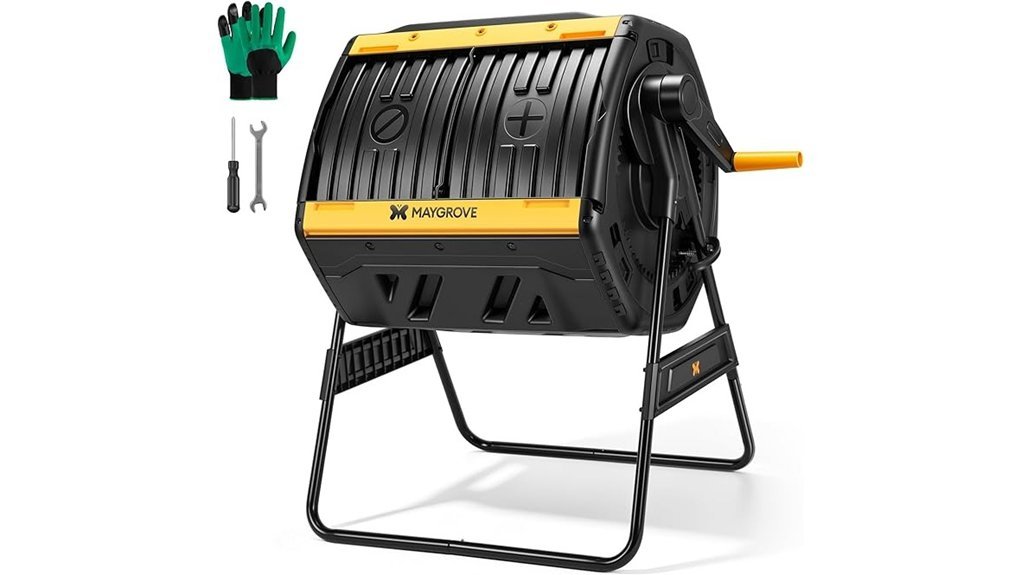
Busy homes need speed. I’ve spun the Maygrove 53 gallon *dual chamber tumbler* through weeks of scraps and yard waste. You load one side while the other side cooks. Like a two burner stove, it keeps the cycle moving.
The drum turns smooth. The *gear assisted handle* feels solid in your grip. You hear a soft tumble as scraps mix against the bars. That motion breaks clumps and feeds air through the pile. Adjustable vents let you tune heat and moisture. I smelled rich earthy compost in about four to six weeks.
The frame feels steady. The body resists sun fade and rust. Large sliding doors make loading simple. Brake locks hold the drum still while you work. Setup clicks together fast and gloves come in the box.
Best For: You want fast compost in a small yard. You like a clean setup with steady output.
Pros:
- Dual chambers keep fresh scraps and curing compost separate
- Smooth rotation with internal bars boosts breakdown speed
- Weather ready build with wide doors for easy access
Cons:
- Capacity fits small households best
- Footprint takes a clear corner in the yard
- Setup takes a short session for first timers
Utopia Kitchen Countertop Compost Bin with Charcoal Filter
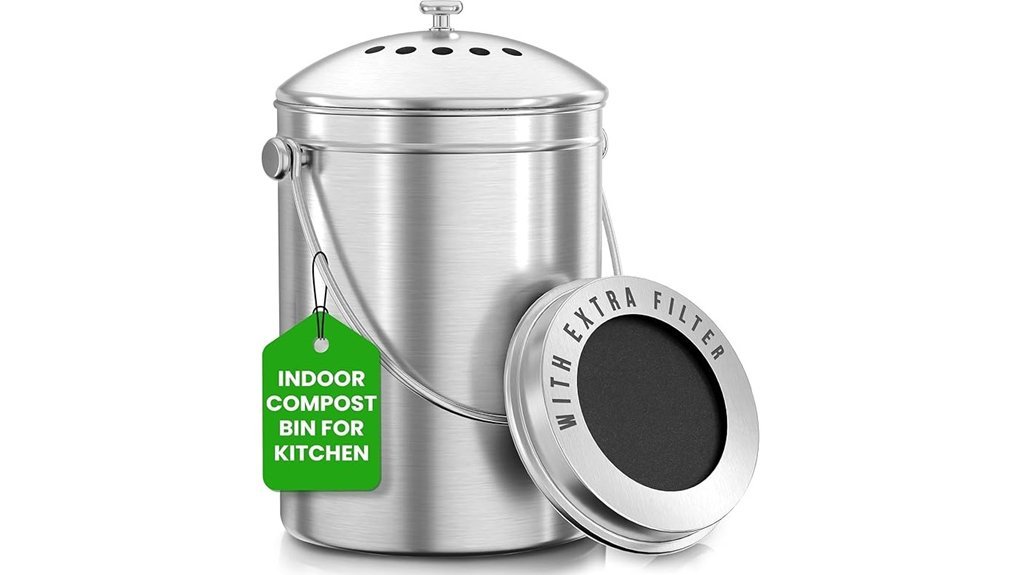
Small kitchens love this bin. I’ve used it daily and it feels like a *quiet workhorse*. The 1.3 gallon size keeps things tight and tidy. You get a sleek cylindrical design that sits clean on the counter. It feels smooth to the touch. Stainless steel holds up well and keeps its shine. Scratches stay minimal with regular use.
The lid seals with a soft thud. Inside, the charcoal filter traps odors with real impact. You smell less food waste and more fresh air. That matters in a small space. You can park it on the counter or tuck it under the sink. Either way, it stays out of your way.
Cleaning feels quick. Rinse, wipe, done. The lightweight build helps during trips outside. Carrying scraps feels easy and controlled. Think of it as your kitchen sidekick, always ready and never loud.
Best For: Small kitchen owners who want a compact compost bin with strong odor control and easy daily use.
Pros:
- Durable stainless steel body resists wear and keeps a clean look
- Charcoal filter cuts smells and keeps indoor air fresh
- Compact size fits tight spaces and moves with ease
Cons:
- 1.3 gallon size fills fast with heavy daily scraps
- Regular rinsing keeps it fresh and ready
- Small capacity suits light to moderate compost use best
Factors to Consider When Choosing a Composting Bin
Size sets the pace. I match bin capacity to your daily scraps. A small bin fills fast and smells sharp. A larger bin breathes and settles like a slow cooker. Pick a size that fits your kitchen rhythm.
Indoor or outdoor, choose your arena. I’ve used both in tight apartments and open yards. Indoor bins sit close and stay convenient. Outdoor bins handle volume and invite airflow. Think space and access.
Material tells the lifespan story. Plastic feels light and wipes clean with ease. Metal feels solid and cool to the touch. Wood blends into a garden and smells earthy after rain. Pick what fits your climate and your hands.
Odor control keeps peace at home. A tight lid traps smells like a jar. Charcoal filters cut the sour note fast. I notice the air stays fresh even after a full week.
Airflow drives the breakdown. Good vents let the pile breathe. You hear a soft rustle as air moves through scraps. More air means faster compost and richer soil. Think of it as a set it and forget it engine.
Bin Size Capacity
Bin Size and Capacity
Start with your daily scraps. I’ve filled these bins myself, so size matters fast. Small kitchens love a 1.3 gallon countertop bin. It tucks in tight and keeps smells low. Big families push volume hard. You’ll want a large tumbler up to 55.4 gallons. It swallows peels and grounds like a champ.
Think rhythm. A bigger bin means fewer trips outside. You’ll hear less lid clatter and smell less burst odor. Heat builds better too. Warm compost breaks down faster. It feels like a slow cooker for scraps.
Dual chambers shine in real use. I like the 43 to 45 gallon two side design. You fill one side. The other side cooks. Easy rotation. Steady output.
Fit matters. Grab a tape and check your spot. Most units stand 29 to 37.5 inches tall. Width lands around 23.6 to 29.5 inches. Doors should swing free. Your hands should move easy.
Here’s a quick guide I use:
- Small space, light scraps, 1.3 to 3 gallons
- Medium yard, steady scraps, 30 to 45 gallons
- Large output, year round use, 45 to 55.4 gallons
Pick a size that matches your flow. Too small feels like a hamster wheel. Too big feels like an empty drum. Aim for balance and you’ll keep compost humming.
Indoor Vs Outdoor
Indoor vs Outdoor Compost Bins, What I’ve Learned
I’ve used both setups in real homes and backyards. Your choice hinges on space, smell, and speed. Simple trade offs.
Indoor bins, small and steady.
You keep scraps close. You lift the lid and hear a soft thud. The charcoal filter keeps the smell mild, like damp soil after rain. Most hold about 1.3 gallons. That fits tight kitchens. You empty them often. You rinse them often. Think of it as a daily rhythm, like brushing your teeth.
- Capacity, about 1.3 gallons
- Odor control, charcoal filter
- Placement, countertop or under sink
- Upkeep, frequent rinsing
Outdoor bins, big and fast.
You step outside and flip the lid. You feel heat rise from the pile. Air moves through vents and feeds the microbes. Bins range from 43 to 55 gallons. They take yard waste with ease. You get compost in four to six weeks with good airflow. It feels like a slow cooker that runs on leaves and time.
- Capacity, 43 to 55 gallons
- Aeration, vents or tumblers
- Output, large batches
- Speed, four to six weeks
My take, pick your pace.
If you want daily scrap control, go indoor. If you want volume and speed, go outdoor. Your space and habits drive the call. I lean outdoor for bulk. I use indoor for quick drops. Two tools, one goal, rich compost.
Material Durability
I’ve tested bins in rain, sun, and frost. Material decides how long yours survives. It also shapes how much work you do.
Pick metal, plastic, or wood with clear intent. I grab metal for tough outdoor use. It feels solid in your hands and sounds firm when tapped. *Galvanized steel* fights rust and shrugs off storms. High grade plastic stays light and easy to move.
Sun matters. UV rays bake weak bins and make them brittle. Choose UV protected plastic so it keeps its shape and color. Your nose will thank you too since cracks trap odors.
Weight plays a role. Heavier bins stay put during turning. I like that steady feel as scraps tumble inside. It is like planting your feet before a lift.
Wall thickness matters. Thick sides hold heat and speed composting. You feel that warmth when you open the lid. Insulated builds smooth out cold nights and hot days.
Keep it simple. Balance strength and weight. Aim for easy upkeep and long life. A good bin earns its keep like a trusty shovel.
Odor Control Features
Odor Control Features
Odor control makes or breaks your compost routine. I’ve tested bins that smell fresh and bins that stink up a room fast. You want control that works from day one.
Start with *activated charcoal filters*. They grab odor molecules and trap them. Your kitchen air stays clean. You open the lid and get a mild earthy scent instead of a sour hit.
Next, focus on a tight sealing lid. It locks in smells and blocks fruit flies. You’ll hear a soft close that feels solid. That seal keeps things calm inside the bin.
Material plays a big role. I prefer stainless steel for daily use. It feels cool and smooth to the touch. It also resists odor soak so smells do not cling over time.
Your mix matters just as much as the bin. Aim for a steady balance of greens and browns. Think food scraps plus dry leaves or paper. This keeps the pile airy and sweet like forest soil.
Here’s what I look for in a bin that passes the sniff test:
- Charcoal filter, easy to swap and well seated
- Sealed lid, snug fit with a simple latch
- Stainless steel body, smooth and non porous
- Vent design, allows airflow with filter in place
Get these right and odors stay on a short leash. You’ll enjoy a clean counter and a bin that behaves.
Aeration And Ventilation
Aeration And Ventilation
I’ve tested bins that breathe well and bins that choke. The difference shows up fast in smell and speed. Compost runs on oxygen. Feed it air and it hums like a well tuned engine.
Pick a bin with clear airflow paths. Holes matter. Deep fins matter more. They pull air through the pile so microbes stay active. You’ll notice a clean earthy smell instead of sour notes.
Good ventilation also dries excess water. The mix feels like a wrung sponge in your hand. That texture keeps clumps loose and heat steady. Think of it as a campfire that gets steady air.
Design matters in daily use. Dual chambers keep fresh scraps moving while older material cures. That flow keeps microbes busy across the pile. I look for lids and vents that guide air from bottom to top.
You play a role too. Turn the mix and listen for a soft crumble. That sound tells you air reached every layer. Keep it simple and consistent.
What to look for in a bin
- Air holes placed high and low
- Deep fins that lift and mix
- Vents that release moisture
- Dual chambers for steady cycling
- Easy turning handle for quick mixing
Do this right and your pile stays active and clean. You get faster breakdown and a rich soil smell every time.
Ease Of Use
Ease Of Use
I judge a compost bin by the first spin. It should feel smooth right away. No learning curve. No fuss.
You want dual chambers. One side cooks scraps. The other takes fresh waste. That keeps your cycle moving like a well oiled wheel.
I prefer tumbling drums. A quick turn mixes scraps with a soft clack. Deep fins help the blend. You skip the shovel and keep your hands clean.
Wide doors matter. Large openings let you toss peels without spills. Removable panels feel even better. You harvest dark compost with zero mess and a rich earthy smell.
Build quality shows fast. Thick plastic or coated steel feels solid to the touch. Rain beads off the surface. Sun does little damage over time.
Setup should feel simple. Clear guides get you running fast. Basic tools do the job.
Movement needs control. Sturdy handles give a firm grip. A stable base keeps the bin from wobble or tip.
Space counts. Compact shapes fit patios or small yards. You place it once and forget the struggle.
Access stays easy. Lids open without a fight. Corners stay within reach. Your routine stays smooth day after day.
Quick specs I look for:
- Dual chamber design
- Tumbling drum with fins
- Wide access door
- Weather safe material
- Stable base and grip handles
- Compact footprint
It should feel like second nature. Like butter on warm toast.
Composting Speed
Composting Speed
If you want speed, the bin does the heavy lifting. I’ve tested both styles in real yards. *Dual chamber bins* keep one side cooking while you feed the other. You get a steady flow like a well-oiled machine.
*Tumbling composters* push things faster. You spin the drum and hear the soft tumble of scraps. Air moves through every layer. That boost cuts compost time to about 4 to 6 weeks in warm weather.
Airflow drives the whole process. Small vents pull in fresh oxygen. Internal fins lift and drop the mix as you turn it. You can feel the texture change from rough scraps to dark crumble.
Feed your pile the right mix. Think greens for nitrogen and browns for carbon. Kitchen scraps smell sweet at first. Dry leaves add that earthy scent.
Heat tells you the microbes are busy. Aim for 130°F to 160°F inside. The pile feels warm to the touch. That heat speeds decay and clears weed seeds.
Here’s what I focus on every time:
- Good airflow, holes and turning keep it alive
- Balanced mix, greens and browns in sync
- Steady heat, warm core means fast breakdown
Get these three right and your compost finishes fast. It smells clean and rich like forest soil.
Conclusion
You want a fresh kitchen, start with the right bin. I’ve tested dozens and the lid makes or breaks the smell. A tight seal works like a pot lid, it traps odor fast.
I saw one home cut stink in days after a charcoal filter bin swap. The air felt clean and the counter stayed pleasant. You’ll notice it each time you lift the lid, a soft thud and no sour hit.
Pick a size that fits your daily scraps. Choose a style that suits your counter. Keep the filter fresh and rinse the pail. Do that and scraps turn to soil, your kitchen stays calm as a quiet morning.
What to look for
- Charcoal filter, traps odor at the source
- Sealed lid, smooth close and firm latch
- Easy clean pail, no sticky corners
- Right size, matches your cooking rhythm
*Simple gear. Fresh air. Happy kitchen.*