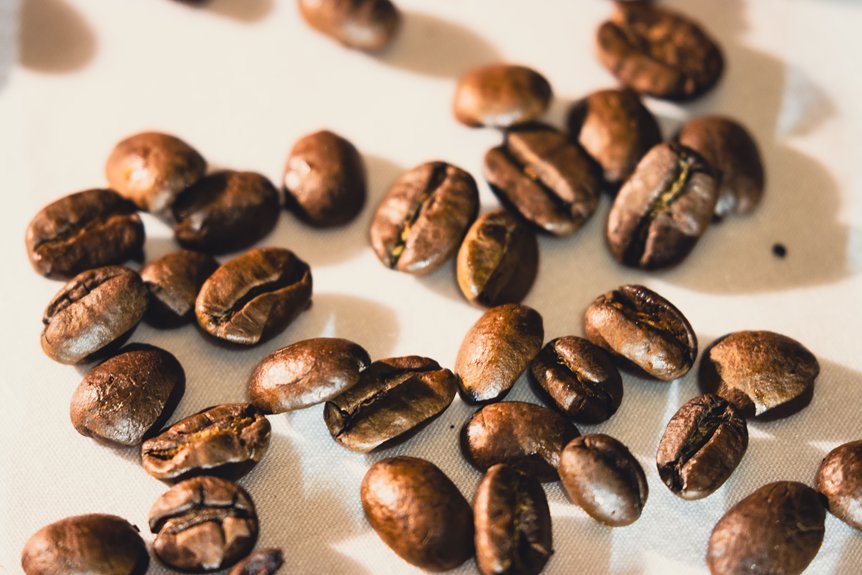
For the best coffee beans for espresso, I’ve found one rule that hits the bullseye. Start with *medium to dark roast whole beans*. They pull rich shots with sweet crema and a deep smell that fills the room.
If you want a bright and smooth cup, go with a 100% Arabica medium roast. You’ll taste soft sweetness plus floral aroma and fruit notes. The texture feels silky on your tongue.
Prefer a fuller shot? Pick a dark roast espresso bean. I get bold body plus chocolate and caramel flavor that sings in lattes and cappuccinos. It’s like velvet in a cup.
Fresh beans make a huge difference. Buy recently roasted coffee beans and grind them right before brewing. You’ll hear the grinder hum and smell the oils wake up fast.
Here’s what I look for:
- Whole bean coffee
- Medium or dark roast
- Fresh roast date
- Even fine grind for espresso
- Balanced flavor profile
A few standout picks and smart buying tips come next.
Lavazza Espresso Whole Bean Coffee, Medium Roast, 100% Arabica, 2.2 lb Bag
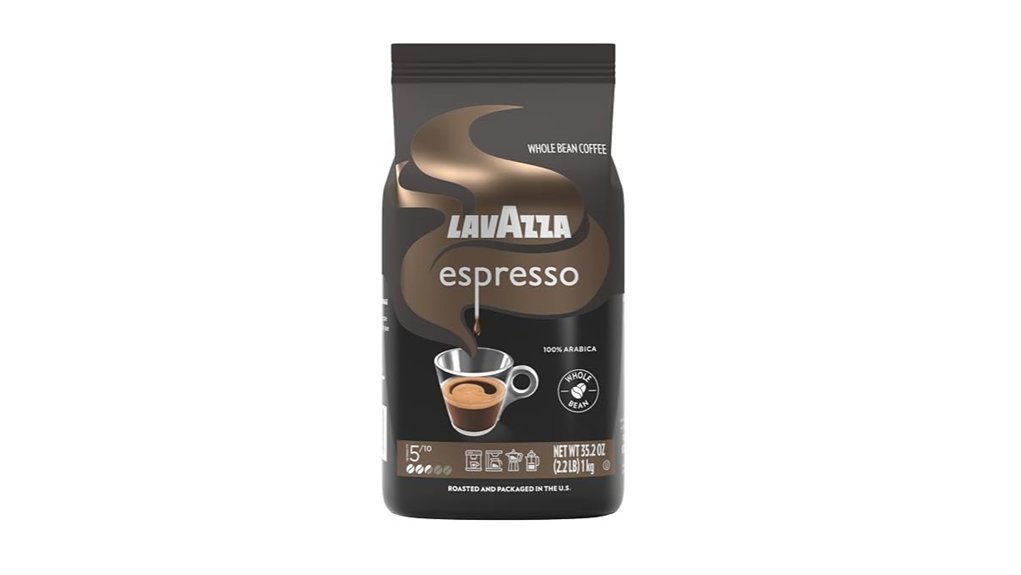
If you want an easy daily espresso bean, Lavazza Espresso Whole Bean Coffee delivers. I’ve brewed it in espresso machines, moka pots, and drip makers. It handles each method like a duck to water.
You get a medium roast made from 100% Arabica beans. The 2.2 pound bag suits frequent brewing. The beans smell sweet and fresh as soon as you open the bag.
In the cup, this coffee stays smooth and clean. The 5 out of 10 intensity gives you gentle body and easy sipping. I picked up floral and fruit notes with a soft sweet finish. Think bright aroma and a silky feel on the tongue.
Lavazza sources these beans from South America and Africa. That blend gives the coffee a lively nose and a polished espresso profile. Grind it fine for espresso or a bit coarser for French press. Simple stuff.
Best For: You if you want a smooth 100% Arabica medium roast coffee for espresso and everyday brewing.
Pros:
- Smooth medium roast that feels easy and balanced for daily cups
- Floral and fruity notes bring a sweet aromatic finish
- Works well in espresso machines, moka pots, drip coffee makers, and French press
Cons:
- Suits drinkers who enjoy a softer espresso style
- Needs a grinder since it comes as whole bean coffee
- The bright flavor profile fits best if you enjoy lighter tasting espresso
Quick Specs:
- Roast: Medium
- Bean Type: 100% Arabica
- Bag Size: 2.2 pounds
- Intensity: 5 out of 10
- Origin: South America and Africa
- Best Uses: Espresso, moka pot, drip coffee, French press
If you want versatile whole bean coffee with a smooth espresso taste and a fragrant aroma, this one earns a spot on the counter. It’s a solid crowd pleaser.
Starbucks Espresso Roast Whole Bean Coffee (18 oz)
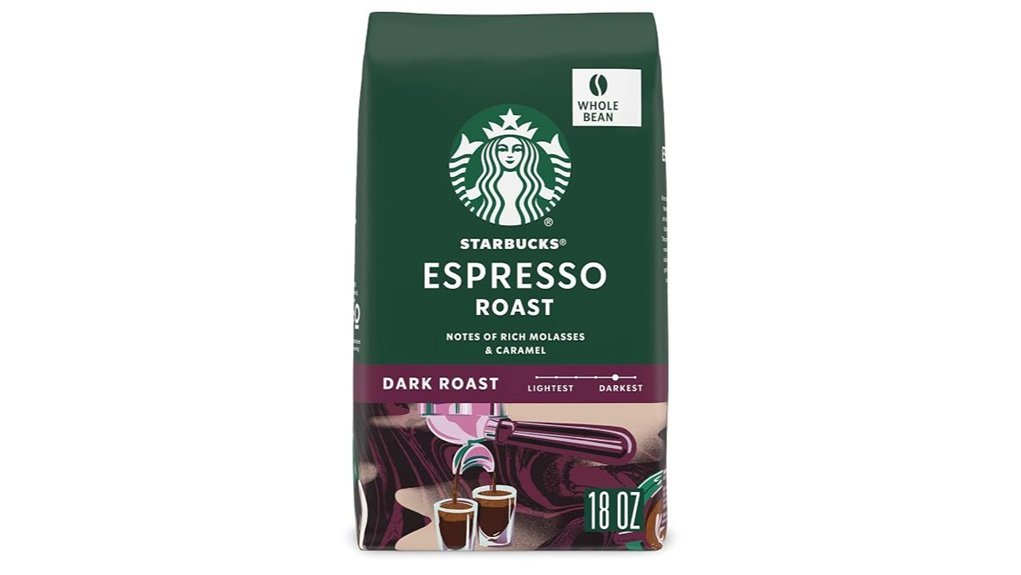
Starbucks Espresso Roast Whole Bean Coffee fits you if you want a familiar café cup at home. I’ve brewed it as espresso and it lands like an old friend. The aroma hits first. *Toasty, sweet, and deep.*
This dark roast coffee brings a bold profile with molasses and caramel notes. Shots pour thick and smell rich. Add milk and it cuts through like a hot knife through butter.
You get 100% Arabica whole beans in an 18 ounce bag. The beans feel oily and smooth to the touch. Starbucks roasts this blend to match its café style, so you get a consistent espresso roast for daily use.
You can grind it for almost any brew method. I had solid results with several setups.
Works well with:
- Espresso machine
- Moka pot
- Drip coffee maker
- French press
- Pour over
If you care about sourcing, Starbucks states its coffee is ethically sourced through Conservation International. That adds peace of mind with your morning cup.
Best For: You want a reliable whole bean espresso roast with bold flavor, easy versatility, and that classic Starbucks taste.
Pros:
- Bold dark roast flavor with sweet molasses and caramel tones
- Whole beans give you fresh grind options for many brew methods
- 100% Arabica coffee with ethically sourced brand support
Cons:
- Big roast flavor suits fans of deep smoky coffee
- Whole bean coffee shines best when you have a grinder
- Starbucks flavor stays classic and familiar rather than *small batch* and quirky
If you like your coffee strong, smooth, and café style, this one earns its keep. It smells great in the grinder. It tastes dependable in the cup.
Peet’s Coffee Whole Bean Coffee, Dark Roast, Espresso Forte, 32 Ounces
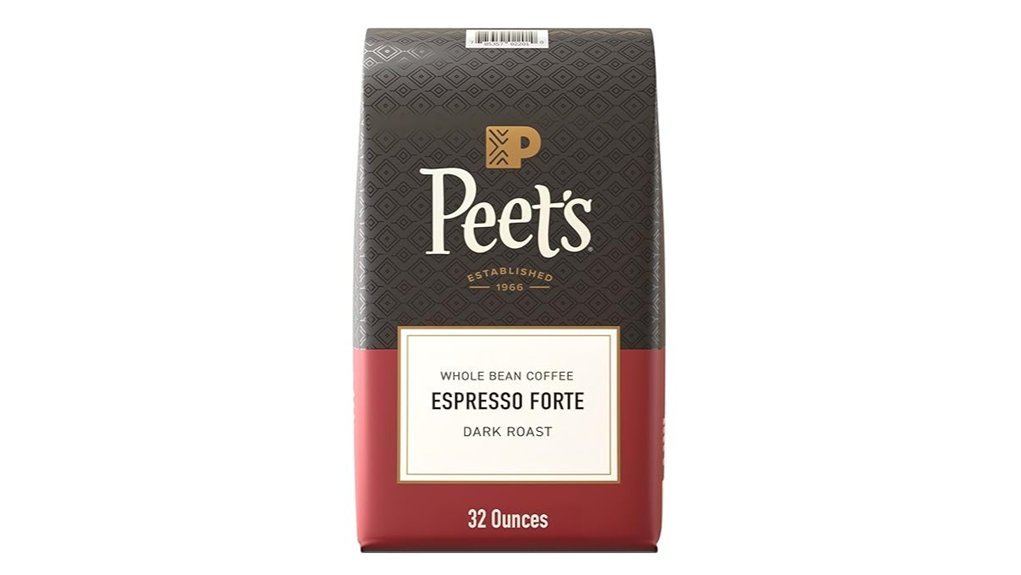
Peet’s Espresso Forte fits you best if you want a bold dark roast espresso bean in a big 32 ounce bag. I found the aroma deep and toasty. Think *fresh cocoa and warm nuts*. It hits the cup like a freight train.
You get 100% Arabica whole beans and a full body that feels thick on the tongue. My shots poured with a *smooth crema* and a glossy look. The flavor brings chocolate and hazelnut notes with steady depth. Day after day it stayed consistent.
This coffee shines for espresso. Fine grind it and pull your daily shots. You’ll hear that soft hiss from the machine and smell that dark roast bloom. It also plays well with other brew methods. That’s a nice bonus.
I used a medium grind for drip and pour over. I went coarse for French press and cold brew. The beans handled each switch with ease. Like a good cast iron pan, it works hard and keeps going.
Peet’s also brings 50 plus years of hand roasting experience. You can taste that steady approach in the cup. The brand also shares a stated commitment to coffee growing communities worldwide. That gives the bag a little more heart.
Best For: You if you want a dependable dark roast whole bean coffee for espresso and also want flexibility for drip, pour over, French press, or cold brew.
Pros:
- Rich dark roast flavor with chocolate and hazelnut notes.
- *Smooth crema* and a full body for espresso shots.
- Whole beans work well for espresso machines, drip coffee makers, pour over, French press, and cold brew.
- Large 32 ounce bag suits daily coffee drinkers.
- Backed by Peet’s long hand roasting history.
Cons:
- Intense dark roast taste suits fans of deep smoky coffee best.
- Whole bean format fits buyers with a home grinder.
- Big bag works best for people who go through coffee at a steady pace.
Illy Intenso Whole Bean Dark Roast Coffee
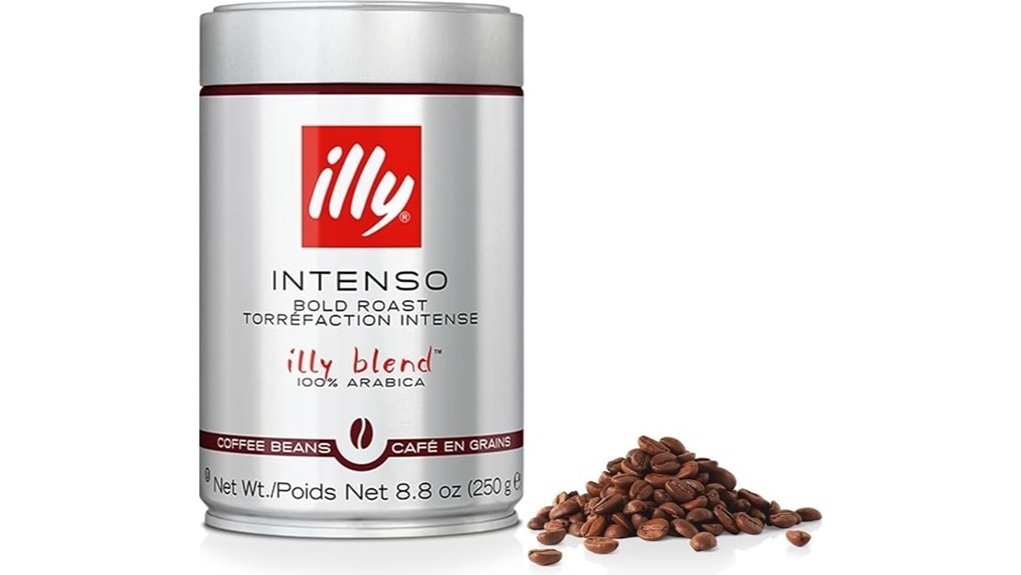
Illy Intenso Whole Bean Dark Roast Coffee fits you best if you love a classic Italian espresso with real punch. I’ve brewed it as straight shots and flat whites. It lands like a velvet hammer.
Open the bag and you get a deep roasted smell with cocoa in the lead. Grind the beans and the aroma gets richer fast. In the cup I taste dark chocolate and dried fruit with a smooth end that keeps things tidy.
This 100% Arabica blend gives you a dark roast feel without turning rough. The crema looks thick and glossy. The shot flows with that soft hiss every espresso fan knows.
Illy has spent decades refining this blend and it shows. The flavor stays steady from bag to bag. That kind of consistency is worth its weight in gold.
The 8.8 ounce bag suits home brewers who like fresh coffee on hand. I found the beans shine most right after grinding. If you use an espresso machine or burr grinder this bag slots right into your routine.
Illy also puts real effort into environmental and community programs. That adds a feel good layer to your daily cup. Good coffee with a cleaner conscience, music to my ears.
Best For:
Espresso fans and home baristas who want a bold Italian style dark roast with 100% Arabica beans and polished flavor.
Pros:
- Deep cocoa and dried fruit notes with a rich espresso aroma.
- Dark roast whole bean coffee that pours smooth and full.
- Trusted Italian coffee brand with strong quality control.
- Great for espresso, cappuccino, and latte drinks.
Cons:
- Strong roast character suits fans of deeper flavor.
- 8.8 ounce bag goes fast if you brew every day.
- Fresh grinding brings out the best cup quality.
Lavazza Espresso Ground Coffee, Medium Roast, 20 oz
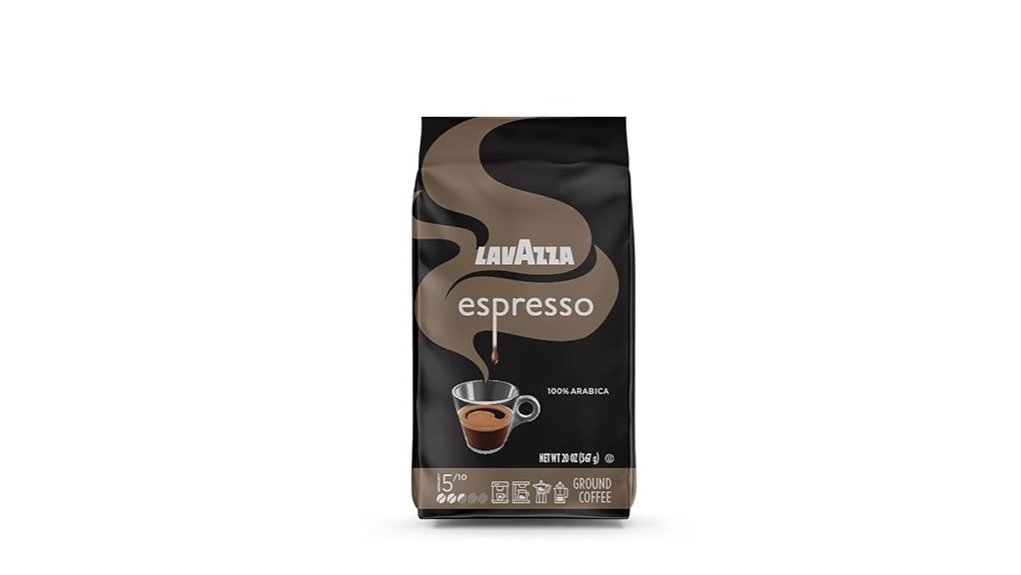
Lavazza Espresso Ground Coffee feels like an easy win for your daily espresso. I’ve brewed it in a home espresso machine and it lands as a smooth, balanced cup with plenty of aroma. You get a 20 ounce bag of 100% Arabica coffee. The medium roast keeps the flavor mellow and the 5 out of 10 intensity stays gentle.
Open the bag and you catch a sweet smell right away. Brew a shot and you’ll pick up floral and fruity notes that drift through the crema. The finish tastes clean and sweet. Think silk gloves for your taste buds. It brings polish without heavy roast bite.
I also like how flexible this coffee feels in real use. The grind works well for espresso and it also plays nicely with a moka pot. You can use it in a drip coffee maker or French press too. That kind of range is handy when your kitchen looks like a coffee playground.
Best For:
You’ll like this if you want a smooth espresso, *100% Arabica beans*, and a fragrant cup with floral and fruit notes. It also fits homes that brew with more than one coffee maker.
Pros:
- 100% Arabica blend with a medium roast for a smooth and easy espresso
- *Floral and fruity notes* bring a sweet aromatic finish
- Pre ground coffee works in espresso machines, moka pots, drip coffee makers, and French press brewers
Cons:
- Dark roast fans may prefer a bolder espresso profile
- Whole bean buyers may prefer more control over grind size and freshness
- Chocolate forward coffee drinkers may enjoy a deeper roast style more
Quick Specs:
- Brand: Lavazza
- Coffee Type: Ground coffee
- Roast Level: Medium roast
- Bean Type: 100% Arabica
- Intensity: 5 out of 10
- Best Uses: Espresso, moka pot, drip coffee, French press
Factors to Consider When Choosing Coffee Beans for Espressos
Choosing coffee beans for espresso starts with the roast level. I’ve found medium to dark roasts give you that rich smell and thick crema, like music to your morning.
Next, check the bean origin. Single origin beans can taste *bright* or *deep*, while blends often bring a smoother shot that lands right in the sweet spot.
Then look at the coffee species. Arabica brings sweetness and aroma. Robusta adds body and extra crema. A mix of both can give you a strong and balanced espresso.
Flavor notes matter too. You’ll taste chocolate, nuts, fruit, or spice in the cup. Those notes shape the *body*, *sweetness*, and finish, and I think that’s where the magic lives.
Last, match the beans to your grinder and espresso machine. Fresh beans should grind with a soft crackle and feel slightly oily in darker roasts. The right fit helps you dial in the extraction and pull a shot that tastes clean and full.
Roast Level
Roast Level
I’ve pulled shots with all three roast levels. Each one changes your espresso in a clear way.
- Light roast brings bright acidity and fruit notes.
- Medium roast gives you sweetness with lively balance.
- Dark roast delivers chocolate, caramel, and a fuller body.
Think of roast level as the steering wheel for flavor. It shapes what you smell, taste, and feel in the cup.
Light roast
Light roast smells vivid and fresh. You may catch berry, citrus, or floral notes. The sip feels crisp and energetic. It can hit your tongue like a quick spark.
Choose this if you want more origin flavor in your espresso. I like it when I want detail and snap.
Medium roast
Medium roast sits in the sweet spot. You get smooth sweetness with enough acidity to keep the shot bright. The aroma often leans into nuts, cocoa, and ripe fruit.
This is the safest bet for most espresso drinks. It plays well with milk and still shines on its own. A real happy medium.
Dark roast
Dark roast smells deep and warm. Think toasted sugar, dark chocolate, and caramel. The body feels heavier and creamier on the palate.
If you want intensity and a rich mouthfeel, this is your lane. I often see a thicker crema here, which gives the shot a more velvety look and feel. It’s the espresso equivalent of a leather jacket.
Quick buying advice
Pick the roast level based on the flavor profile you enjoy most.
- Choose light roast for brightness and layered aroma.
- Choose medium roast for balance and everyday flexibility.
- Choose dark roast for bold flavor and fuller texture.
Roast level also affects caffeine in small ways. Dark roasts usually roast longer, so the beans end up with slightly less caffeine than light roasts.
If you want the best espresso roast for daily use, I’d start with *medium roast*. It gives you the broadest range of flavor with easy drinkability.
Bean Origin
Bean Origin
Bean origin shapes espresso as much as roast level. I’ve tasted this side by side. Your beans set the flavor path.
South American coffee often brings *sweetness* and ripe fruit. The aroma feels warm and familiar. It lands like a soft guitar note in the cup.
African coffee often shows *floral notes* and bright aromatics. You smell jasmine and citrus right away. The shot can sparkle like sunlight on glass.
Want a smooth and balanced espresso? Choose Colombia. You’ll get caramel sweetness and a round body. It’s a safe bet that still tastes lively.
Want a brighter and more layered shot? Pick Ethiopian beans. I often get berry, lemon, and tea like notes. They can sing in the cup.
Why do origins taste different? A few key factors shape the bean:
- Soil affects sweetness and depth
- Climate drives ripening and flavor
- Altitude builds density and acidity
- Processing shapes clarity and body
Freshness matters too. I can hear the sharp crack of a fresh bean in the grinder. You can smell the oils bloom as the grounds hit warm air. Fresh coffee gives espresso more flavor and better texture.
Good growing conditions help a lot. Fast processing after harvest helps preserve taste. That means cleaner shots and richer crema.
Learn each origin’s style. Trust your palate. You’ll pick better espresso beans faster and pull more expressive shots with less guesswork.
Arabica Vs Robusta
Arabica vs Robusta for Espresso
I’ve pulled shots with both. You taste the difference fast.
Arabica brings a smoother cup. You get *floral aroma*, *fruit notes*, and a sweet finish. The acidity feels bright and lively. Think silk over sandpaper.
Robusta comes in loud. You smell earth and toasted nuts right away. The taste leans woody and bitter. The body feels heavier on your tongue. It also packs about twice the caffeine.
Quick flavor breakdown
- Arabica
- Smoother texture
- Brighter acidity
- Floral and fruity notes
- Sweeter finish
- Robusta
- Stronger bitterness
- Earthy and woody flavor
- Nutty aroma
- Higher caffeine
How each bean performs in the cup
Your choice shapes the whole espresso shot. I see it in the crema and I taste it in the finish.
Arabica usually gives you more nuance. You can pick up layered flavors as the shot cools. It suits espresso drinkers who want clarity and refinement.
Robusta pushes more force into the cup. You often get thicker crema and a bolder hit. It’s the bean that kicks the door in.
Price and growing conditions
Coffee species also affects cost. That part matters if you buy beans often.
Arabica makes up about *60 to 70 percent* of global coffee production. Farmers grow it at higher elevations. The plant needs more care and faces more pest pressure. That added work raises the price.
Robusta makes up about *30 to 40 percent* of global supply. The plant handles heat and disease with more ease. That helps keep costs lower.
Best pick for you
- Choose Arabica if you want:
- *Refined espresso*
- Sweetness and acidity
- More layered flavor
- Choose Robusta if you want:
- *Intensity*
- More caffeine
- A stronger bitter edge
My take? If you want elegance in the cup then go Arabica. If you want punch and power then pick Robusta.
Flavor Notes
Flavor Notes
I’ve pulled shots with beans from all over, and flavor notes tell you what lands in your cup. Think chocolate, caramel, florals, and fruit. Simple clues. Big payoff.
Want a shot that feels like a warm blanket? I’d pick a dark roast espresso. You’ll taste molasses, cocoa, and deep sweetness. The smell hits rich and toasty. The crema often looks thick and glossy. *That’s where the rubber meets the road.*
Prefer a sweeter shot with more lift? Go with a medium roast. You’ll get floral aromas and fruity notes that feel bright and lively. I often catch a jammy smell and a light crisp snap on the tongue. It’s a great fit for balanced espresso.
Origin matters too. Each region brings its own style.
- South American coffee beans, often brighter fruit and gentle sweetness
- African coffees, often floral tones and berry like flavor
- Espresso blends, often balanced body acidity and sweetness
Roast level shapes the cup in a big way. A longer roast pulls out deeper developed flavors. A lighter roast keeps more of the bean’s natural character. You taste more of the farm and fruit. *That’s the secret sauce.*
If you want an easy win, start with the flavor notes on the bag. They give you a fast read on taste, aroma, and body. You’ll choose beans with more confidence, and your next espresso shot will feel much closer to your sweet spot.
Grind Compatibility
Grind Compatibility
I’ve tested plenty of espresso beans, and *grind compatibility* can make or break your shot. Espresso needs a fine grind. It also needs even particle size. That’s the whole ball game.
If your beans grind clean and consistent, your espresso machine builds steady pressure. You get a sweeter pull. You get better balance. You also get that syrupy body that feels smooth on the tongue.
An uneven grind tells on itself fast. The shot runs with a sharp hiss. The aroma smells thin. The taste swings in two directions at once. Some grounds brew bitter. Others taste bright and sour. Like a band with two drummers.
Freshness matters too. I always grind right before brewing because the smell jumps out right away. You catch more chocolate notes. You catch more fruit. You keep more of the oils that give espresso its lively character.
Crema depends on grind quality too. Beans that handle a fine setting well help create a thick golden layer on top. It looks rich. It feels velvety. It signals a strong espresso extraction.
If your grinder delivers a steady fine grind, your beans can shine.
- Best for: fine espresso grind
- What to look for: even particle size
- Why it matters: better pressure and smoother extraction
- Bonus: thicker crema and fuller flavor
Brew Method Match
Match Your Beans to Your Brew Method
I’ve pulled a lot of shots, and this rule always holds. Great espresso starts with beans that suit espresso. Taste matters. Brew method matters just as much.
Espresso moves fast. Water pushes through the puck in about 25 to 30 seconds. Your beans need to shine in that short window. You want *body*, *sweetness*, and that rich crema that lands like silk in the cup.
Start with the grind. Use a fine espresso grind. It should feel soft between your fingers, almost like powdered sugar with a slight grit. You’ll hear the grinder hum and see a tight fluffy mound in the portafilter. That texture helps your espresso machine pull sweet balanced shots.
Here’s the quick take:
- Fine grind for proper espresso extraction
- Medium roast for balance and flexibility
- Dark roast for bold flavor and strong milk drink performance
- South American beans for chocolate notes and natural sweetness
- African beans for citrus, berry, and bright acidity
Roast level shapes the cup fast. Medium roasts give you a smooth middle ground. They work well for straight shots and lattes. Dark roasts bring deeper flavor and a fuller mouthfeel. In cappuccinos they cut through milk like a hot knife through butter.
Origin matters too. I’ve found that South American coffee beans often deliver caramel sweetness and nutty depth. African coffees can add floral aroma and fruit snap. You smell it right away when the shot hits the cup. It’s lively and inviting.
If you want a smart espresso setup, keep this simple. Pick beans that fit espresso first. Then choose the flavor profile you enjoy. That approach gives you better extraction, better crema, and a tastier shot with less fuss.
Freshness And Format
Freshness and format shape your espresso fast. I’ve tasted shots that sang and shots that fell flat. Fresh beans made the difference.
Use coffee within two weeks of roasting. That window gives you bright aroma, sweet crema, and a fuller cup. Past that point the flavor goes quiet. The shot loses sparkle. It feels like a song played through a pillow.
Oxygen is the thief here. I keep beans in an airtight container. You should store them in a cool dark spot. Open air strips away smell and taste with surprising speed.
Whole beans win. They hold their aroma longer and give you more control. Pre ground coffee fades fast. You can smell it the moment you open the bag. Fresh ground coffee releases that rich nutty scent that makes you want to brew right now.
Grind only what you need right before brewing. That quick step keeps more oils and aroma in the cup. You’ll hear the grinder hum and smell the burst of fresh coffee. Small move. Big payoff.
For espresso use a fine grind. Fine grounds slow the water and help build a thicker shot. You get better crema, deeper body, and clearer flavor. Hit the sweet spot and your machine purrs like a happy cat.
Quick tips
- Use beans within 14 days of roast date
- Store beans in an airtight container
- Keep coffee in a cool dark place
- Buy whole bean coffee
- Grind just before espresso brewing
- Choose a fine espresso grind for richer extraction
Ethical Sourcing
Ethical Sourcing Matters in Every Espresso Shot
I’ve found that some espresso beans feel better from the first rich smell alone. *Why?* Ethical sourcing gives the cup real substance. You get flavor with a clear conscience. That’s a win win.
When you buy ethically sourced coffee, you back farmers and workers who deserve fair treatment. You support better pay and safer farms. You also help build stronger local communities. That’s the rising tide that lifts all boats.
What to look for
- Fair Trade, supports fair wages and worker rights
- Rainforest Alliance, promotes sustainable farming and forest care
- Traceable supply chains, show where your beans come from
- Responsible growing methods, protect soil, water, and wildlife
I always check the label before I buy. You should too. A good bag tells a better story.
Ethical sourcing also helps the land that grows your coffee. Healthier farms support biodiversity. That means more birds, more shade trees, and richer soil. You can almost hear the life in it.
Why it matters for your daily espresso****
- Better worker welfare
- Safer working conditions
- More stable coffee incomes
- Lower environmental impact
- Greater transparency from farm to cup
You get more than beans in the hopper. You get a chain of care. *That matters.* In my experience, coffee with a clean path from farm to roaster often feels like the whole package. Good taste. Good standards. No smoke and mirrors.
Conclusion
Choosing the best coffee beans for espresso starts with one thing, *your taste*. I’ve pulled shots with Lavazza, Starbucks, Peet’s, and Illy, and each one brings a different kind of magic to the cup.
Some beans hit you with a deep cocoa smell. Others crack open with a bright citrus snap. You’ll feel the difference in the grind, hear it in the burrs, and taste it in the crema. *That’s where the rubber meets the road.*
Pick beans that fit your espresso machine and your daily routine. A dark roast often gives you a rich body and thick crema. A medium roast can bring more sweetness and balance.
Trust your palate. Go with the beans that make you want another sip. Choose well and every shot feels like a small sunrise in a demitasse. Bold. Fragrant. Worth it.